Ukraine War03 July, 20263 min read
Ukrainian Forces Strike Oil Refinery And Russian Military Sites In Occupied Territories
This article is an automated aggregation of coverage from news outlets. Our editorials offer in-depth analysis curated by the NewsCord team.
Ukrainian forces conducted targeted air strikes on Russian targets including military sites. Zelensky stated Ukraine has reached high-tech weapon production capable of surpassing Russia.
Strikes and production push
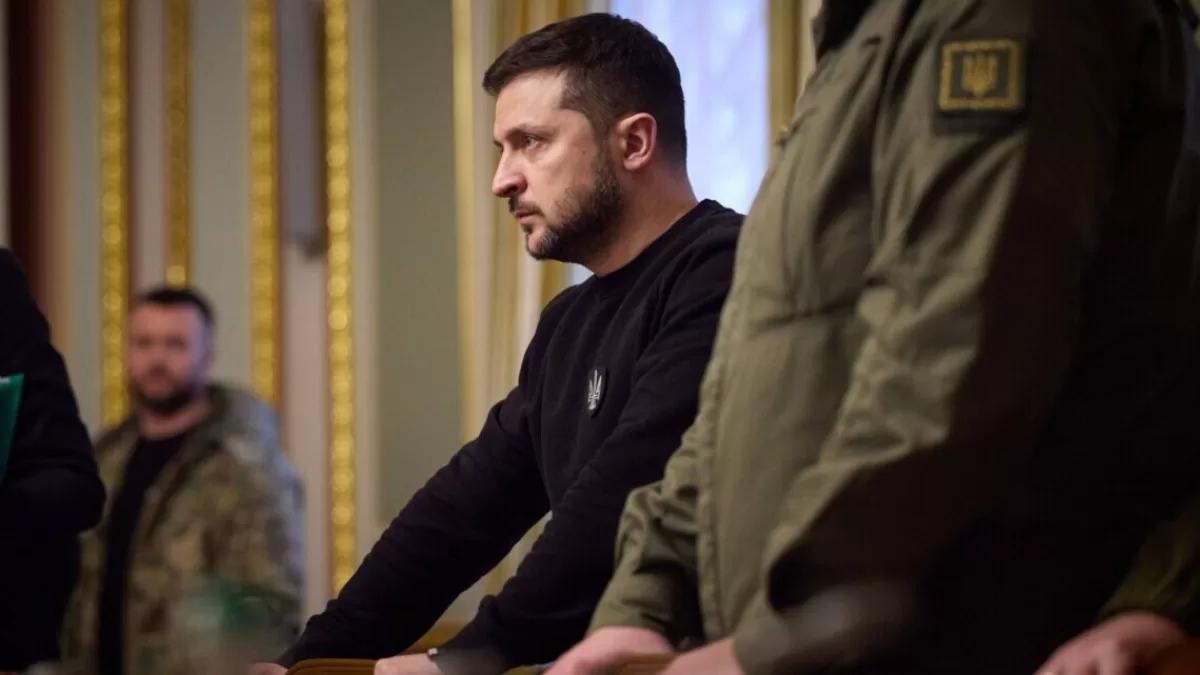
Ukrainian forces carried out a series of large-scale targeted operations against an oil infrastructure and several Russian military sites within occupied territories, with the General Staff confirming a targeted air operation aimed at striking the economic and logistical heart of the Russian military apparatus. The defense forces struck an important strategic oil refinery, and initial reports said the projectiles reached the crude oil's secondary processing facilities, causing a major fire visible for several kilometers. Ukrainian President Volodymyr Zelenskyj said at a meeting with representatives from the military, government, and the defense industry that "Ukraine is now able to produce such amounts of high-tech weapons that can surpass Russia's capacities in the long term," and he linked the effort to additional financial resources.
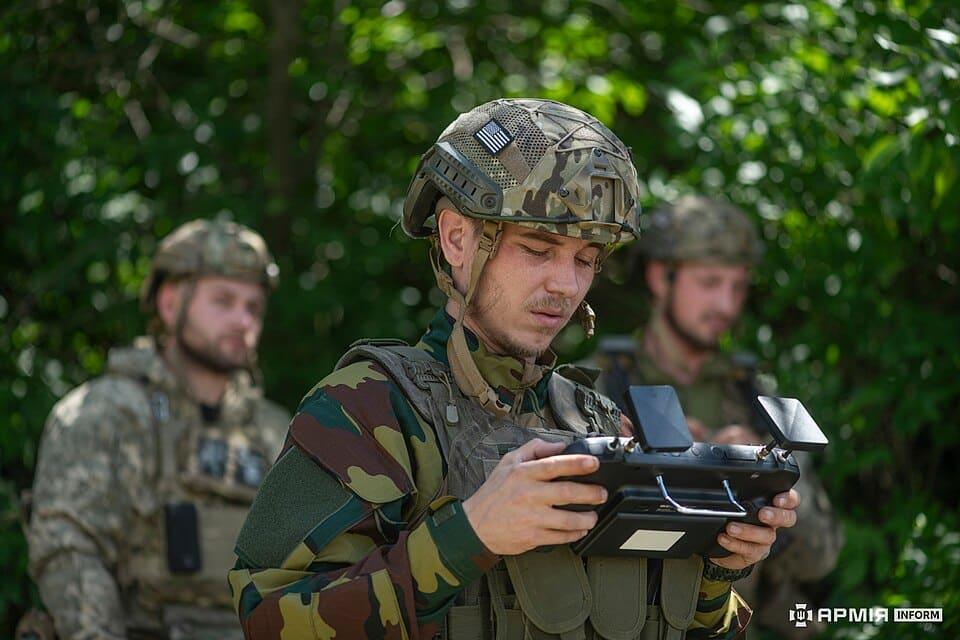
In the same context, Zelenskyj wrote that talks with weapons manufacturers focused on "Ukrainian drones of all types, unmanned ground systems, our rocket program, electronic warfare systems and military equipment," while he said Kyiv would continue attacks on targets in Russia. DIE WELT framed the approach as combining high-tech weapons produced in Ukraine with strikes against targets in Russia, while Enderi described the oil and military-site strikes as intensifying pressure on Russian logistics.
Competing assessments and quotes
While Ukrainian officials emphasized production and pressure, a study highlighted by L'Express said Russia has the capacity to wage a fifth year of war, citing the International Institute for Strategic Studies (IISS) and its military outlook for the coming year. L'Express reported that Bastian Giegerich, the IISS's chief executive, said there are "few indicators" that prove that "Russia's ability to carry on its war against Ukraine into a fifth year is diminished," and it tied that view to Russia's defense spending trajectory. In parallel, Zelenskyy told Telegram after a Staff meeting that "Investments in Ukrainian production are investments to force Russia toward peace," and Ukrinform said the discussion focused on what is needed "from the state, from administrative decisions and financing" to maximize Ukrainian capabilities.
Ukrinform also quoted Zelenskyy saying the diplomatic priority is air defense, with "In the coming days, the key priority across all diplomatic work, all meetings and negotiations will be air defense for Ukraine," while L'Express stressed that the study's only dark spot lay in human losses and recruitment difficulties. The contrast between L'Express's assessment of Russia's endurance and Zelenskyy's insistence on scaling high-tech weapons and air defense underscored how each side framed the next phase of the war.
What comes next
Enderi described the Ukrainian strikes as part of a war of attrition in which control and destruction of energy resources play a decisive role, saying Ukraine targeted refining capabilities to choke off fuel supply for armored vehicles and Russian logistical units operating on the front line. The same account said Ukrainian artillery and missile systems conducted precision strikes against Russian military positions, including temporarily occupied territories, with operations focused on troop and matériel assembly areas and on disrupting Russian defensive and offensive apparatus by creating constant insecurity behind the front. DIE WELT said Zelenskyj instructed the Foreign and Defense Ministries to focus on cooperating with partners who could bring additional funds for production, and it quoted him: "Investments in Ukrainian production are investments to force Russia toward peace."
“This strike is part of a war of attrition in which control and destruction of energy resources play a decisive role.”
Looking at the other side of the equation, Le Parisien said the IISS study found Russia could withstand a fifth year economically and in terms of manpower, but it warned that recruitment difficulties and human losses are the only dark spot. Le Parisien added that if Russia's recruitment rate continues to lag behind monthly losses, it could force Moscow into a second compulsory mobilization and expose it to the scale of social unrest observed during the September 2022 conscription.