Sudan22 July, 20263 min read
UN Warns Sudan’s War Economy Is Fueled by Looted Gum Arabic and Gold
This article is an automated aggregation of coverage from news outlets. Our editorials offer in-depth analysis curated by the NewsCord team.
UN OHCHR warns war economy funds Sudan conflict via gum arabic and gold loot. Warring parties profit from control of territories, trade routes, and natural resources.
UN links commodities to war
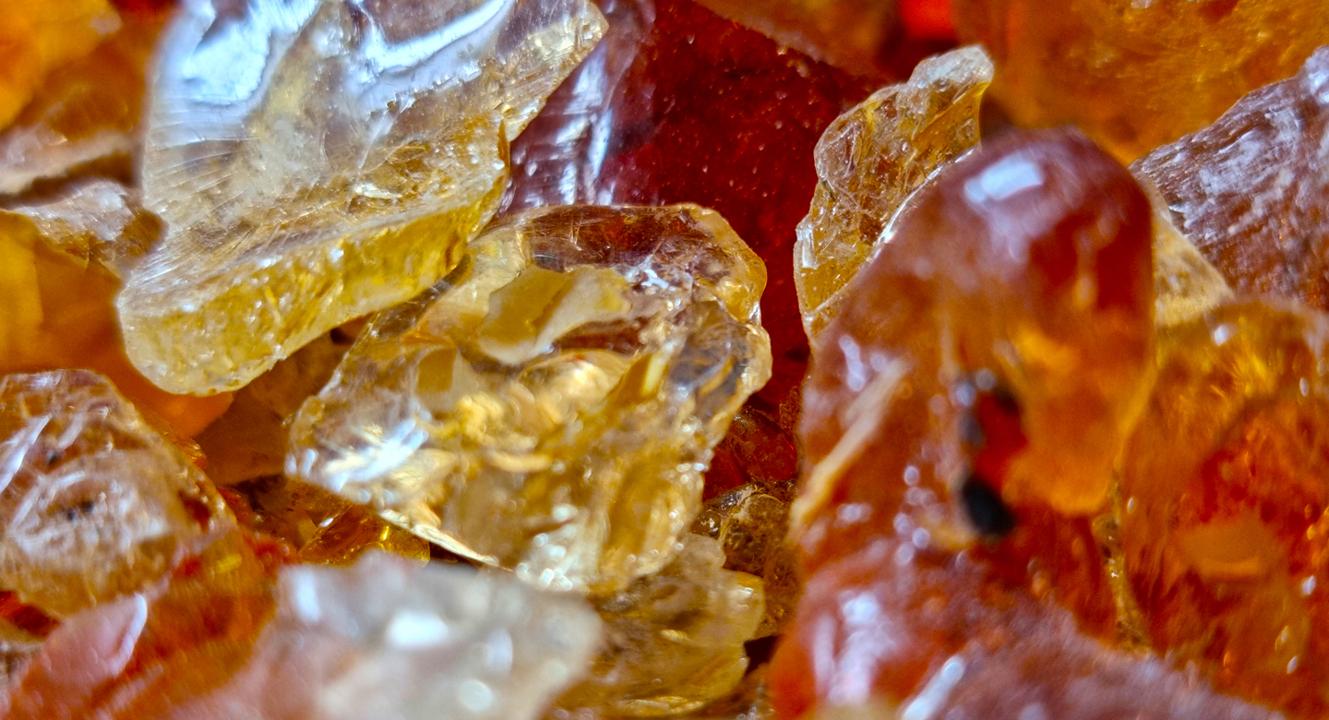
A UN warning says Sudan’s war is being bankrolled through the looting and trading of commodities, with the OHCHR highlighting gum arabic as a key example of how warring parties have “looted gum arabic and redrawn trading routes so that they can use the proceeds to perpetuate the conflict.”
OHCHR spokesperson Ravina Shamdasani said, “Sudan's vast wealth of natural resources should benefit its people. Distressingly, what we are seeing today is anything but that,” tying the resource economy to human rights abuses and conflict.
The UN report says gum arabic is harvested from acacia trees in areas heavily affected by the conflict, and that the country accounted for roughly 70 to 80 per cent of global crude gum arabic exports before the war began in April 2023.
It also says RSF has been a “prized target” for gum arabic stocks, believed to have been looted from a major trading centre in El-Nuhud, West Kordofan, and redirected west to Darfur and Chad in May 2025.
The UN warned that the gum arabic trade has exposed people linked to the sector to “threats, arbitrary detention, looting and extortion,” while traders face confiscation, informal taxation and insecurity along conflict-affected corridors.
Routes, raids, and accusations
The UN report described how gum arabic is moved from conflict zones through multiple corridors, including routes toward Port Sudan and northern and eastern routes, and cross-border smuggling routes through countries such as Chad, South Sudan, Kenya, Libya and Egypt. In May 2025, the report says RSF forces “reportedly seized and looted the Gum Arabic Exchange in El-Nuhud, the primary trading hub for the commodity in West Kordofan state,” disrupting local traders and supply chains. The UN also warned that gum arabic from RSF-controlled areas is redirected through cross-border smuggling routes, while quantities from areas controlled by the Sudanese Armed Forces move toward Port Sudan for export.
UN rights chief Volker Turk said, “Companies cannot continue business as usual when sourcing from conflict-affected value chains,” linking the commodity trade to human rights risks and the continuation of fighting. The report further frames the war economy as self-perpetuating, with both the Sudanese armed forces and RSF building parallel revenue streams from commodities including gold, livestock, and gum arabic.

Sanctions and what’s at stake
The UN warning ties the resource economy to gold as well as gum arabic, saying gold sales are “a major revenue source” for the Sudanese Armed Forces (SAF) and paramilitary RSF. In 2024, the UN report says declared gold production in SAF-controlled areas was about 65 tonnes, with about 28 tonnes officially exported via Port Sudan and a reported value of around $1.6 billion, while it also says nearly 48 per cent of Sudan’s 2024 gold output was smuggled out. The UK announced sanctions targeting networks suspected of financing the war through illicit gold trade, with the British government saying the sanctions included 11 people and Sudanese entities linked to financing and trade networks supporting both sides.
British Foreign Secretary Yvette Cooper said, “The Sudanese people are paying the price of a war not only fueled by guns and fighters, but also by illicit flows of gold and money that feed the war economy on both sides.” The UN warned that the “war economy” is prolonging the conflict and that international scrutiny of commodities and trade routes is needed to disrupt financing mechanisms and reduce human rights abuses tied to the gum arabic and gold sectors.