Lebanon · 17 August, 2026 · 3 min read
Israeli Air Raids Kill 11 In Southern Lebanon As UNIFIL Reports 4,346 Deaths
Israeli air raids and shelling in southern Lebanon killed 11 people, including women and children. UNIFIL reports increased Israeli fire, averaging 137 projectiles per day Aug 5–16.
9 outlets told this the same way.
Outlets did split on Lebanese Army Says Israeli Strike Triggered Explosion of Suspicious Object Injuring Four →
2 of 3 outlets skipped it: UNIFIL calls Israeli flags on a coastal road a UNSC 1701 violation.
The Jerusalem Post was read line by line by the Watchdog: 4.7. See the score →
9outlets compared
Projectiles, ceasefire, and UNIFIL
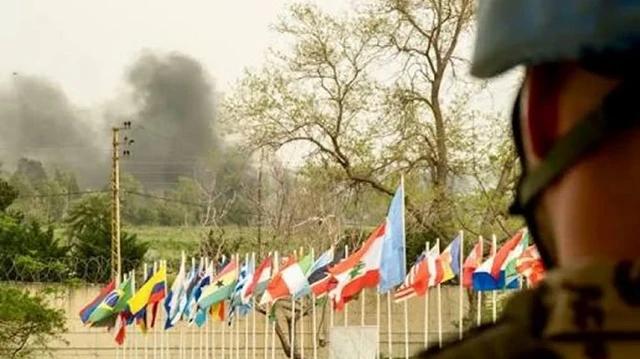
Civilians in southern Lebanon are bearing the brunt of a significant increase in Israeli military activity over the past fortnight, UNIFIL said, recording an average of 137 projectiles fired per day between August 5-16. UNIFIL reported 208 projectiles on Saturday and 185 on Sunday, even as the escalation continued despite the renewal of the June 26 ceasefire agreement between Lebanon and Israel. UNIFIL said its peacekeepers maintained their presence through patrols, monitoring, removing obstacles from roads, reducing risks posed by explosives, and facilitating access for humanitarian aid.
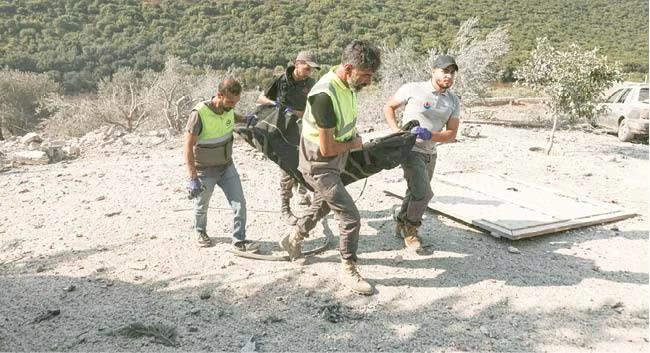
Lebanon’s President Joseph Aoun voiced support for extending UNIFIL’s mandate and adopting a formula to ensure the continued presence of international forces in the area, while UNIFIL’s mandate is due to expire at the end of this year. UNIFIL said the death toll since March 2 from repeated Israeli assaults on southern Lebanon rose to 4,346 after 11 people were killed on Saturday in two separate Israeli air raids.
Hezbollah rejects talks
Hezbollah condemned the aggression escalation and called for Lebanese authorities to halt negotiations, saying Israeli attacks will be met with an appropriate response. In a statement, Hezbollah said the targeting of civilians and widening the circle of targeted areas reflect the will and desire of Israeli Prime Minister Benjamin Netanyahu to escalate the war to strengthen his internal political standing and serve electoral goals. Hezbollah held the Israeli government and the American administration fully responsible for the escalation and violation of Lebanese sovereignty, and it warned that relying on mediation and American guarantees is a "failing bet".
Hezbollah also described statements by the American ambassador in Beirut as "brazen, extortionate, and direct bias in favor of the enemy" and said the United States is a partner to the Israeli enemy in its crimes and massacres against Lebanon. The statement said southern Lebanon has witnessed airstrikes and artillery shelling, along with demolition of houses, digging up graves, burning of forests, and shooting toward several towns.

Flags, UNIFIL, and next steps
UNIFIL confirmed on Monday that raising Israeli occupation flags on a major coastal road in southern Lebanon violates United Nations Security Council Resolution 1701, and it urged all parties to refrain from provocative actions. UNIFIL said it observed several Israeli flags inside Lebanese territory, including flags raised on the coastal road between Nakoura (Naqoura) and Tyre, a route used by UNIFIL forces. The Israeli army said its forces are operating in southern Lebanon to remove Hezbollah threats to Israeli civilians and the Israeli army, stressing its commitment to international law and not targeting the Lebanese state or its citizens.
Lebanon’s President Joseph Aoun told a parliamentary delegation that Lebanon’s first option is to extend UNIFIL’s mandate, and if that does not happen, to adopt a formula guaranteeing the continued presence of international forces in the south within the required legal framework alongside and in coordination with the Lebanese army. The Lebanese official said Beirut is waiting for officials in Washington to schedule the eighth round of direct Lebanese-Israeli talks in Rome, while the State Department had not yet set a date for the next session.