Lebanon22 September, 20262 min read
UNIFIL Says Peace Remains Elusive In Southern Lebanon, Citing Need For Political Will
This article is an automated aggregation of coverage from news outlets. Our editorials offer in-depth analysis curated by the NewsCord team.
UNIFIL says peace in southern Lebanon remains elusive, requiring political will from all parties. Lasting end to the conflict hinges on commitments and decisions by parties, not peacekeeping alone.
Anadolu Ajansı was read line by line by the Watchdog: 1.9. See the score →
Peace Elusive in South
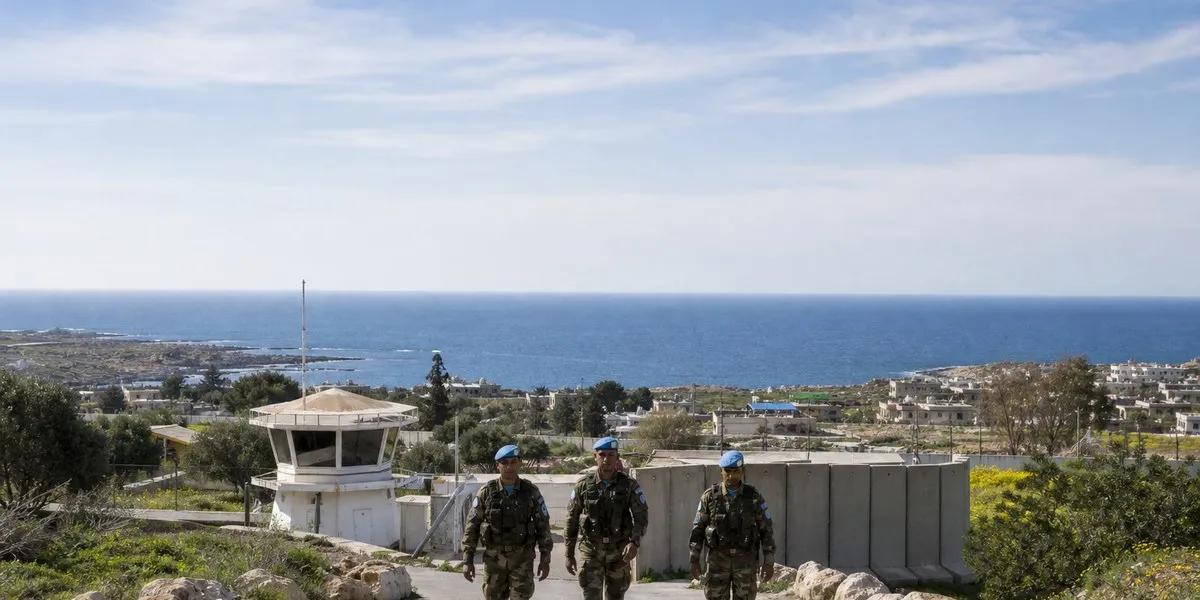
UNIFIL said Tuesday that peace in southern Lebanon remains “elusive,” stressing that permanently ending the conflict requires political will from the parties. UNIFIL marked the International Day of Peace with a ceremony at its headquarters in the southern Lebanese town of Naqoura on Monday evening. UNIFIL Head of Mission and Force Commander Major General Diodato Abagnara said, “Peace is not something we address once a year; it is an enduring responsibility,” as he spoke during the observance.
UNIFIL said the mission’s peacekeepers can help restore stability, avoid misunderstandings, and reduce the risk of escalation, but cannot replace the political will and decisions needed to end the conflict permanently. UNIFIL added that the full implementation of UN Security Council Resolution 1701 remains the objective and the basis for lasting peace and stability in south Lebanon.
Patrols, Channels, and Limits
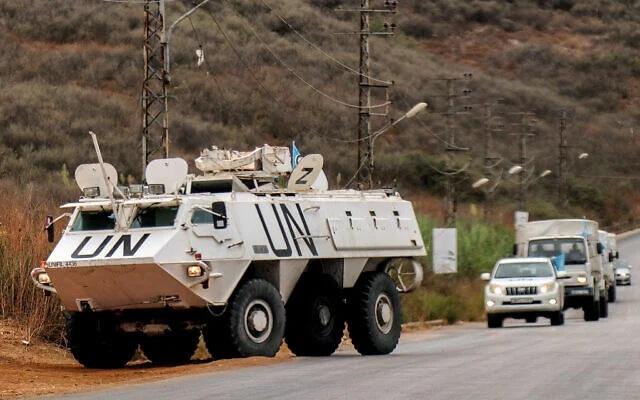
Major General Diodato Abagnara said UNIFIL patrols and keeps channels of communication open with the parties to reduce the risk of misunderstanding and escalation. Abagnara said UNIFIL works with the Lebanese Armed Forces as they assume greater responsibilities in the south, while he stressed that responsibility for reaching a political solution rests with the parties. UNIFIL said the current conflict has forced thousands of people from their homes, with many remaining displaced, and it described the fighting as having disrupted livelihoods and caused widespread damage to homes and infrastructure.
UNIFIL said the conflict resulted in civilian deaths and injuries, and it described “civilians on both sides of the Blue Line” as living in tension and fear. UNIFIL said this year’s International Day of Peace is the last it will observe before its mandate expires at the end of 2026, following a UN Security Council decision in 2025 to end the mission.
Resolution 1701 and the Next Phase
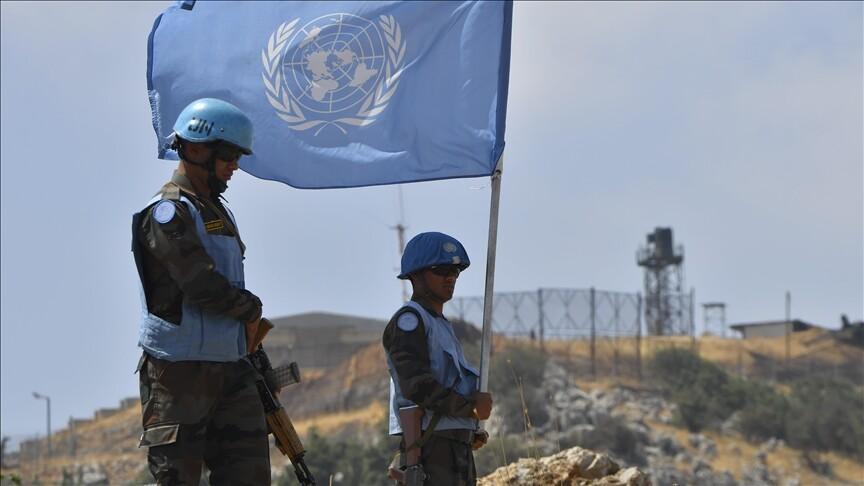
UNIFIL tied its call for political commitments to the full implementation of UN Security Council Resolution 1701, which it described as the basis for lasting peace and stability in south Lebanon. UNIFIL said the resolution calls for a complete cessation of hostilities between Lebanon and Israel and for an area between the Blue Line and the Litani River in southern Lebanon to be free of weapons and armed personnel except those of the Lebanese army and UNIFIL. UNIFIL said Israeli attacks on Lebanon since March 2 have killed at least 4,386 people, injured 12,407 others, and displaced more than 1 million, according to Lebanese authorities.
UNIFIL said the attacks continued despite a US-brokered framework agreement signed on June 26 that provided for a gradual Israeli withdrawal in exchange for the deployment of the Lebanese army and the disarmament of Hezbollah. UNIFIL said its planned departure at the end of 2026 has prompted discussions about how security and humanitarian responsibilities will be transferred, with European and Arab governments exploring possible alternatives and greater support for Lebanon’s armed forces.