Russia · updated 1h ago · 2 min read
United Russia Dominates Russia’s Parliamentary Vote, Central Election Commission Reports
United Russia leads with about 57% of votes according to official results. Voting occurs over three wartime days with virtually no genuine opposition on ballot.
How elections are characterised: sham vs legitimacy-focused window.
7 of 8 outlets skipped it: putin claims voters back fighters as a political legitimacy effort.
107outlets compared
Same story, two versions
tap a side to read it in full
Al Jazeera
“According to the independent pollster Levada, more than half of Russians support peace talks, yet nearly 70 percent say they also support the actions of the armed forces in Ukraine.”Read the original ↗
BBC
“Critics dismiss the vote as neither free nor fair. But the Kremlin doesn't care what the critics say.”Read the original ↗
One outlet spotlights lived policy debate; others foreground authoritarian legitimacy claims.
United Russia set to dominate
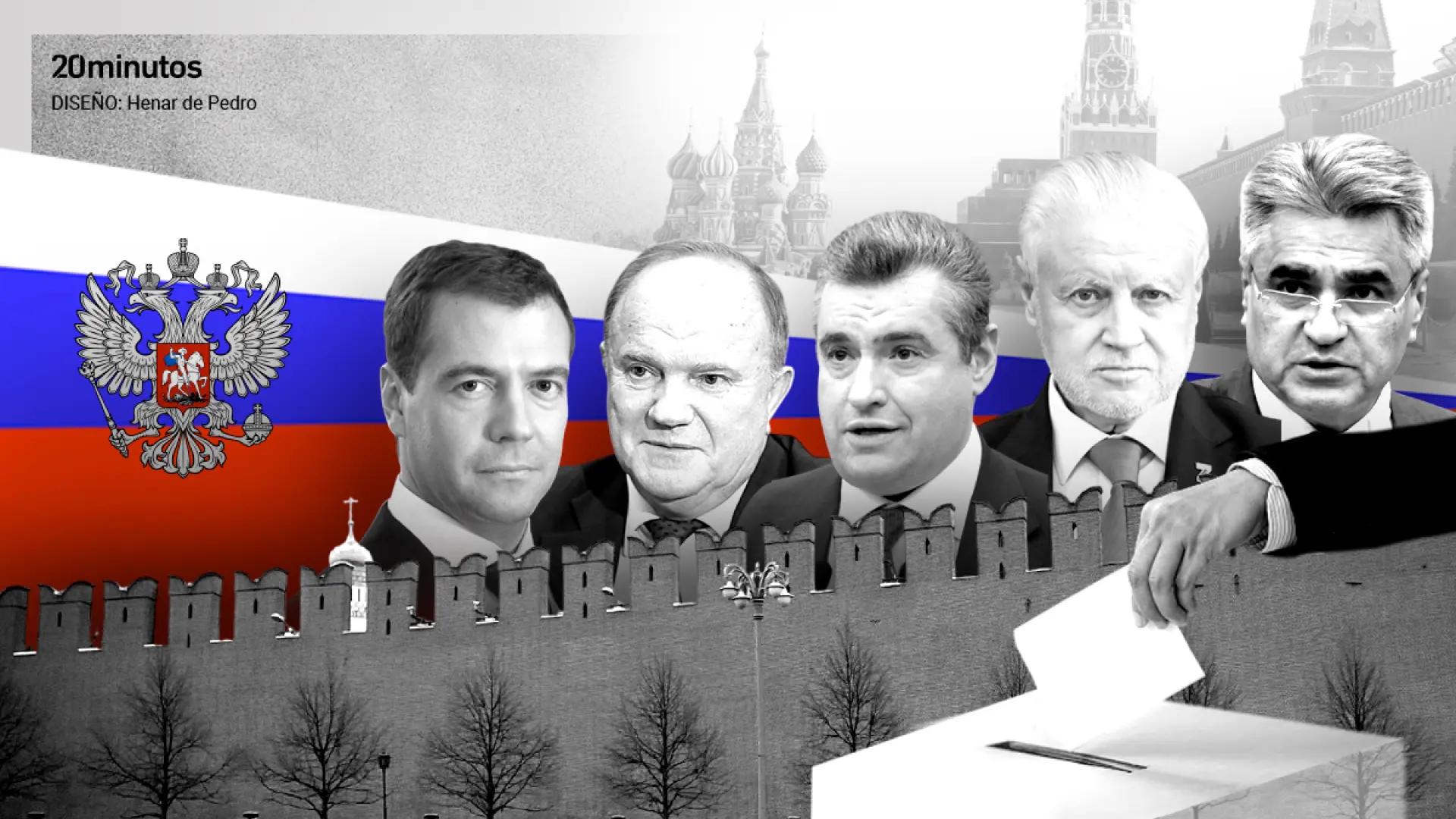
United Russia was dominating Russia’s tightly controlled parliamentary elections in early results, with the vote expected to cement the Kremlin’s dominance for President Vladimir Putin’s policies. Russia’s Central Election Commission said that with some 58% of the precincts counted, United Russia had nearly 58% of the vote for the 225 deputies apportioned by party lists, and turnout stood at a little under 57% as of late Sunday.
“There was no upset. No surprises. No other party came close.”
The election began Friday for 111 million eligible voters and ended Sunday, and it included residents of four Ukrainian regions that Moscow illegally annexed after the war began, as well as those in Crimea, the Black Sea peninsula illegally annexed by Russia in 2014. The Kremlin sought the parliamentary election to showcase popular support for the war and legitimize its action, while stamping out any dissent, and the BBC described the outcome as having “few surprises” in a system where the party of power was widely expected to maintain its grip on parliament.B
Drones, cyberattacks, and dissent
Ukraine’s drone attacks on Moscow and other Russian regions ran alongside the vote, and Russia’s Defence Ministry said it would “intensify” its high-accuracy strikes on military targets in Kyiv in response.
Moscow Mayor Sergei Sobyanin said the attack was aimed at disrupting the elections, and he claimed it had failed to achieve that objective.
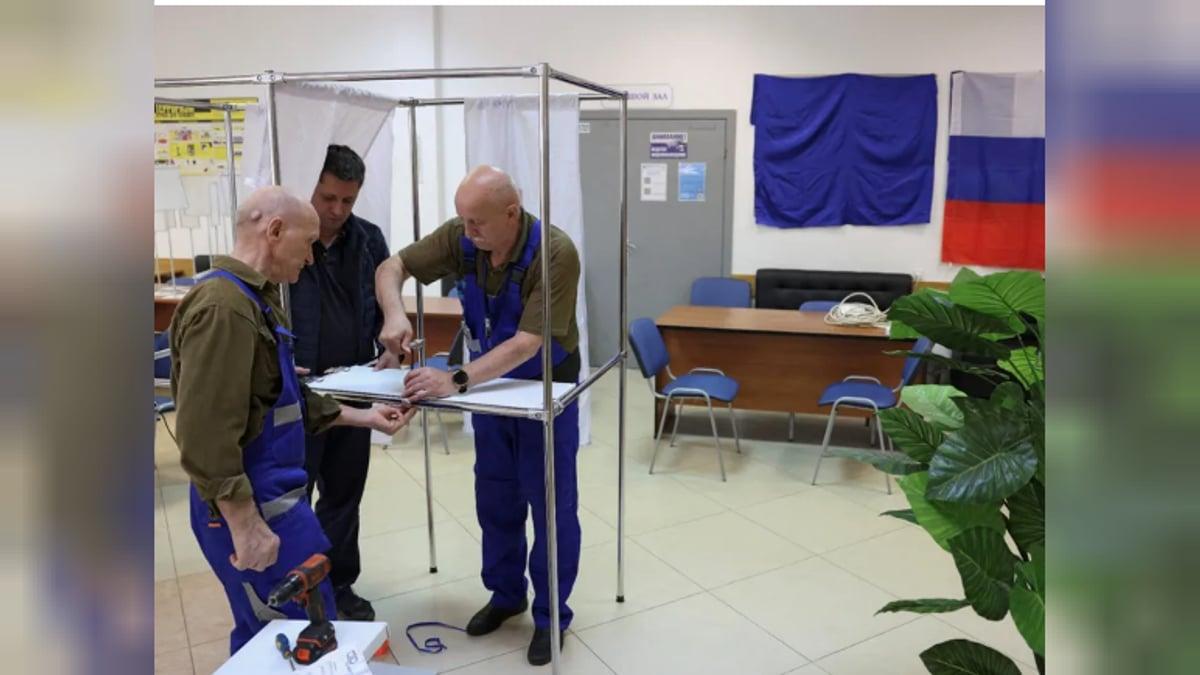
Russia’s Central Election Commission said voting systems faced waves of cyberattacks but maintained that the electoral process had remained largely smooth, and Ella Pamfilova said more than 1,000 waves of DDoS attacks had been recorded against infrastructure involved in the electoral process.
Yabloko leader Nikolai Rybakov told the BBC, “I don't think the Duma will change. They'll vote 100% for the policies of Putin just like they did,” while the BBC also reported that Yabloko was removed from the ballot by Russia’s Supreme Court 12 days after being registered.B
What the result means next
The Kremlin regards the election as an important test of continued popular support for President Vladimir Putin in his war against Ukraine, and the BBC said the Kremlin will likely use the result to claim that most Russians have rallied behind the president.B
The BBC also said President Putin ruled out another wave of mobilisation, declaring, “There is no scenario today that would require it,” while the article framed the election as a “mandate from the people” to continue the war.B
Meduza reported that United Russia had won 57.19% of the vote on the federal party list as of 11:55 p.m. Moscow time on September 20, and it said United Russia candidates were leading in 161 of the 225 single-mandate districts after 20.12% of precinct results had been counted.
The Russian Central Election Commission said final results were not due before September 25, and it said the count was expected to be finished by the morning of September 21, as the election’s outcome was set to determine the next State Duma’s composition for a five-year term.