Iran19 June, 20263 min read
United States And Iran Sign Memorandum Extending Ceasefire, Pledging Nuclear Ban And $300 Billion Plan
Memorandum extends ceasefire and starts 60 days of final-deal negotiations. Sanctions relief and access to Tehran's frozen funds, with potential $300 billion.
The Guardian was read line by line by the Watchdog: 3.3. See the score →
Deal signed, talks begin
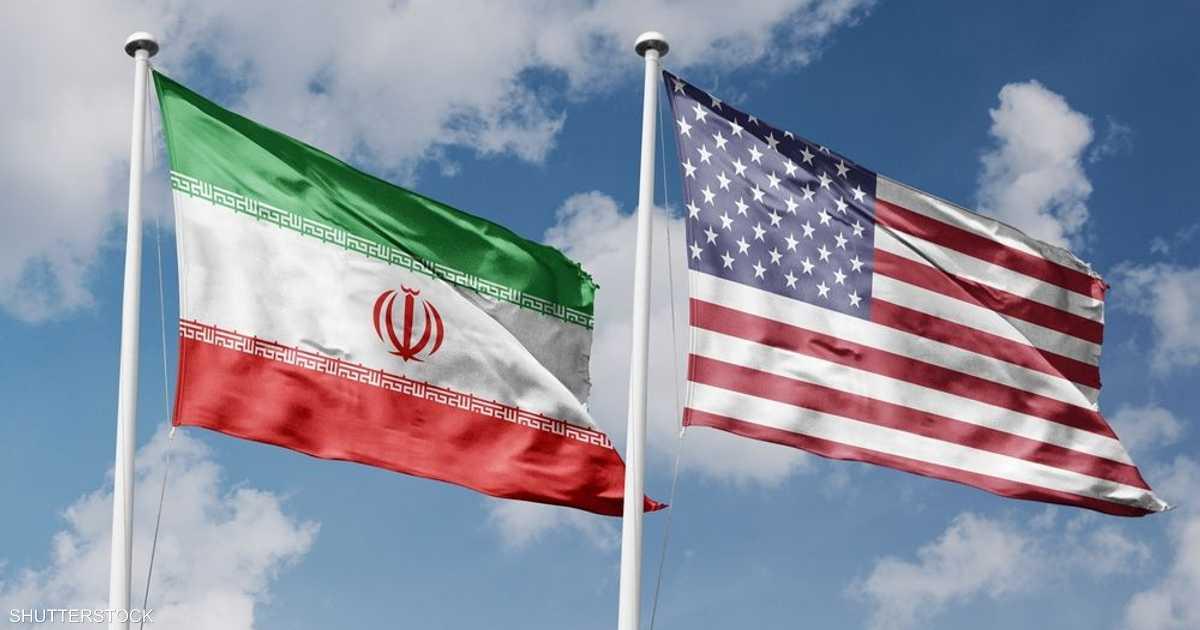
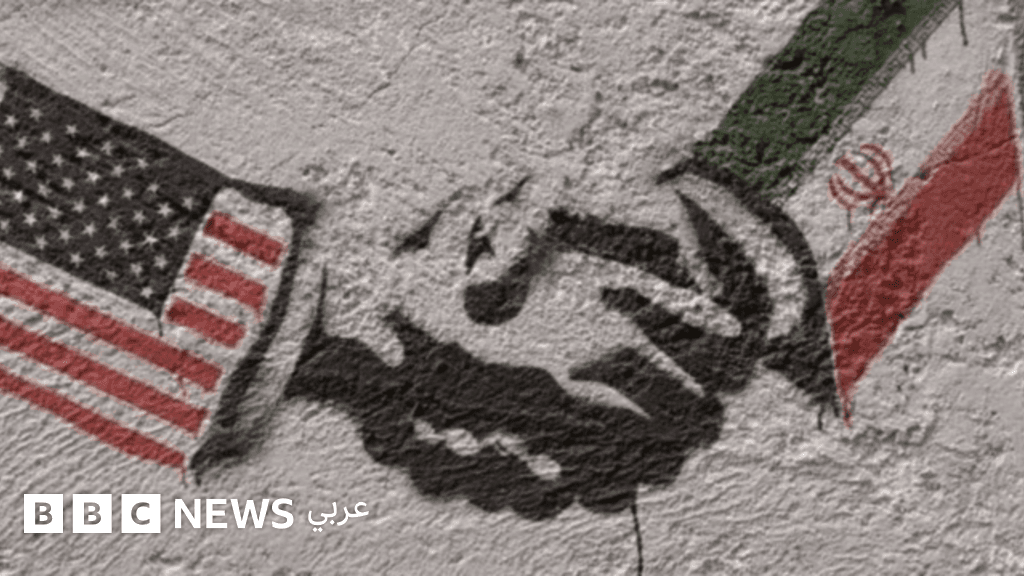
The United States and Iran signed a memorandum of understanding extending their ceasefire and the agreement took effect immediately upon signing, with the text described as containing 14 clauses and including a pledge that Iran will never possess a nuclear weapon. BBC reported that the memorandum provides for a commitment to allocate $300 billion for 'reconstruction and development of the economy' in Iran even though the United States is 'not obligated' to contribute to the plan. In Iran, Ayatollah Mojtaba Khamenei said he held a “different view” on the memorandum but granted permission after Iran’s president pledged to safeguard “the rights of the Iranian nation and the Resistance Front.”
The BBC said the memorandum commits the United States and Iran to negotiate and reach the final agreement within a maximum of 60 days, extendable by mutual consent, with the countdown beginning after the two leaders formally signed the memorandum. CNN reported that the maritime security threat level in the Strait of Hormuz was downgraded to ‘moderate’ by UKMTO after the announced agreement to reopen the strategic waterway and that the U.S. military announced it was lifting the naval blockade on Iranian ports that had been in place since April.
Capitol Hill and threats
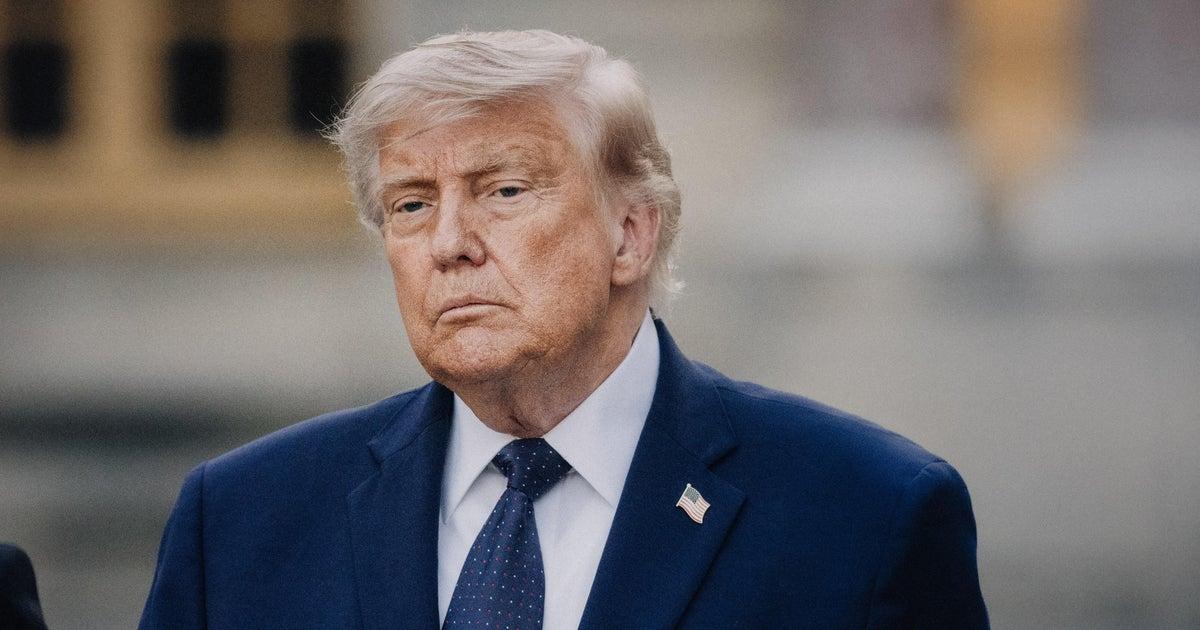
On Capitol Hill, CNN reported that Senate Minority Leader Chuck Schumer called the agreement with Iran a “fiasco,” arguing President Donald Trump “gave away the store,” and Schumer said “Democrats are not going to vote for” any potential deal that includes $300 billion for rebuilding in Iran.
CNN also quoted Sen. Ted Cruz of Texas warning that “History demonstrates that giving billions of dollars to theocratic lunatics who want to murder us is an exceptionally bad idea,” and it said Cruz faulted the president’s advisers including Iran “having an ongoing role in administering the Strait of Hormuz.”
In Iran’s messaging, Fox News reported that Islamic Revolutionary Guard Corps Quds Force commander Esmail Qaani threatened the U.S. and said, “Americans should know their place and avoid confronting the Muslims.”
Fox News also reported that Qaani warned that the U.S. “should fear not only Hormuz and Bab al-Mandeb, but many other locations as well.”
Meanwhile, the BBC said the agreement notes that from now on neither side will initiate any war or military operation against the other, refrain from threatening or using force, and guarantee the 'safety and sovereignty of Lebanon,' while it remained unclear how Israel would respond to this point.
What changes next
The memorandum’s immediate steps include the U.S. beginning removal of its naval blockade and “disturbances or impediments” against Iranian ports, with the maritime blockade fully lifted within 30 days, and the BBC said the U.S. also commits to withdrawing its forces from the vicinity of Iran within 30 days after the final agreement. The BBC said the agreement’s Strait of Hormuz provisions require Iran to “make arrangements and best efforts” to ensure the safe passage of commercial ships through the Strait of Hormuz — and without fees — with ship traffic beginning “immediately.” In addition to maritime and sanctions changes, the NPR text described a U.S. commitment to allocate $300 billion for reconstruction and economic development and said the mechanism for implementation would be finalized as part of the final deal within 60 days.
NPR’s framework also stated that the United States will fully end the naval blockade within 30 days and that Iran will make arrangements for the safe passage of commercial vessels “with no charge for 60 days only” from the Persian Gulf to the Sea of Oman and vice versa. Looking ahead, the BBC said the agreement is “performance-based,” meaning Iran would benefit only if it fulfills its commitments, while it also warned that the text leaves many questions unanswered and many key issues unresolved.