Full story
Strikes and blockade return
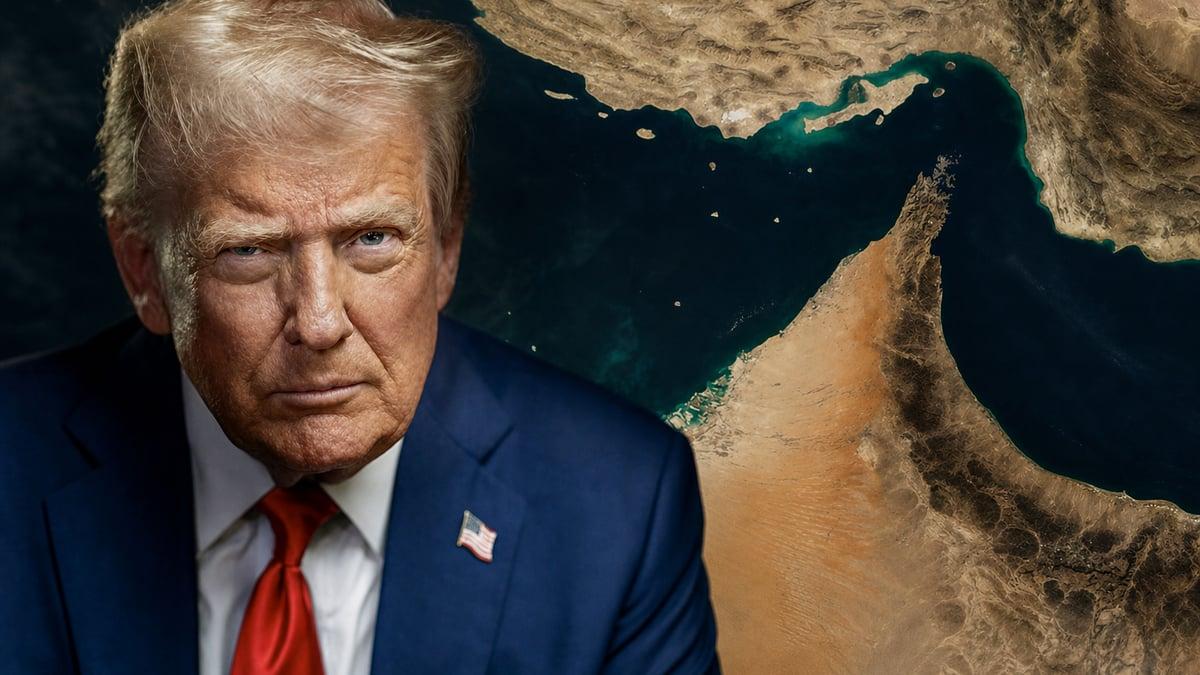
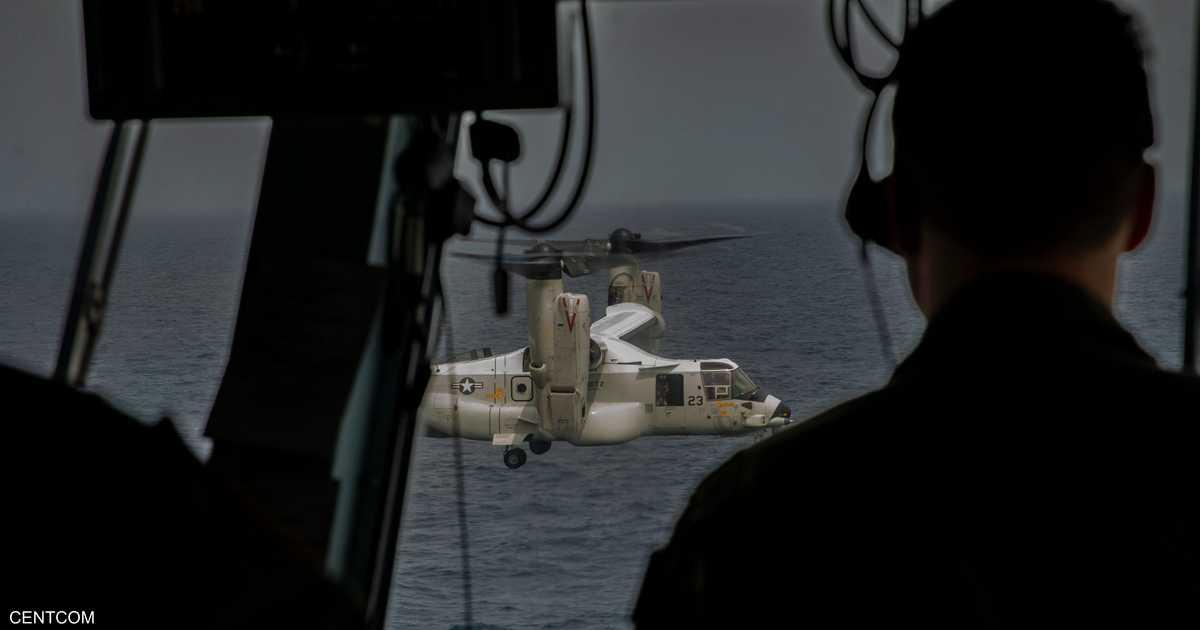
The United States launched its fourth straight day of strikes on Iran on Tuesday, with U.S. Central Command saying the latest round began at 3 p.m. ET and was intended to continue degrading Iranian capabilities used to attack commercial shipping in the Strait of Hormuz.
The renewed naval blockade on Iranian ports was set to go into effect at 4 p.m. ET, as the U.S. reimposed the blockade after President Donald Trump said Washington was “reinstating” it.

Iran’s deputy foreign minister Kazem Gharibabadi said the U.S. decision to renew the blockade “has, in a way, dismantled” the Islamabad memorandum, while the U.S. said the actions were tied to attacks on commercial ships in the strait.
In the same reporting cycle, Trump told Fox News that the attacks would continue until he says it is enough, saying “They'll continue until I say that's enough,” and the U.S. military said it was holding Iran accountable for “unwarranted aggression” that endangers “innocent lives.”
Retaliation, threats, and politics
Iran’s Islamic Revolutionary Guard Corps said it had struck bases in Bahrain and Kuwait in response to U.S. attacks, and the IRGC posted that “Retaliation will continue as long as American aggression persists,” while the U.S. said it was striking to degrade capabilities used to attack commercial shipping.
President Donald Trump told Fox News that Iran has “no choice” but to make a deal, saying “You better make a deal. You're not going to have anybody left,” as he also warned the U.S. would hit Iranian power plants and bridges next week unless Tehran returned to negotiations.

In Washington, Senate minority leader Chuck Schumer said Democrats will “not go along” with Donald Trump’s continuing hostilities with Iran, adding “Democrats will not go along,” while the reporting also described Senate Democrats blocking the annual defense policy package amid objections over the war in Iran.
The U.S. and Iran also traded claims of strikes beyond the strait, with Iranian state media reporting Tehran struck U.S. military assets in Jordan and the U.S. saying Iran launched dozens of missiles and drones at neighboring Gulf countries.
What’s at stake next
The renewed blockade and strikes left the deal to pause the conflict and reopen the key waterway “in tatters,” according to AP, as fighting again engulfed the region under the threat of a return to full-scale war.
Trump also backed away from his earlier plan to charge a 20% toll on cargo through the strait, with BBC reporting he reversed the threat and would replace it with “massive” trade and investment deals with Gulf states, just hours before the U.S. resumed its blockade of Iranian ports.
The U.S. Treasury Department said it was freezing over $130 million in digital assets held in wallets controlled by the Central Bank of Iran, and Treasury Secretary Scott Bessent wrote that “We will continue to aggressively follow the money and deny the Iranian regime access to the proceeds of its illicit revenue schemes,” while the U.S. also imposed sanctions tied to Mohammad Hossein Shamkhani.
As the next phase of the campaign was framed around infrastructure targets, Trump warned that “next week comes the power plants. Next week comes the bridges,” unless Iran “get to the table and negotiate,” and the reporting said the U.S. was preparing to resume the naval blockade against Iranian ports and coastal areas.