Iran17 July, 20263 min read
United States Launches Seventh Straight Night of Strikes on Iran, IRGC Warns of “Zero Hour”
This article is an automated aggregation of coverage from news outlets. Our editorials offer in-depth analysis curated by the NewsCord team.
U.S. launches a seventh consecutive night of strikes on Iran. IRGC warns of retaliation if U.S. strikes continue.
i24NEWS was read line by line by the Watchdog: 5.9. See the score →
Strikes, warnings, and “zero hour”
The United States launched a seventh consecutive night of strikes on Iran, with US Central Command (CENTCOM) saying the strikes began at 19:00 GMT and were “designed to continue degrading Iranian military capabilities at the Commander in Chief’s direction.” A senior Iranian voice warned the campaign could escalate into “full-scale offensive operations” if US attacks continued for “another two or three days,” with state media quoting Mohsen Rezaei as saying, “If US attacks continue for another two or three days, we will enter a phase of full-scale offensive operations.” Iranian officials also framed the moment as approaching a “zero hour” for Iranian operations, with the IRGC Navy warning that US naval movements were under Iranian surveillance and that the Americans were “getting closer at every moment to the zero hour for the start of our operations against the naval units of US Central Command (CENTCOM).”
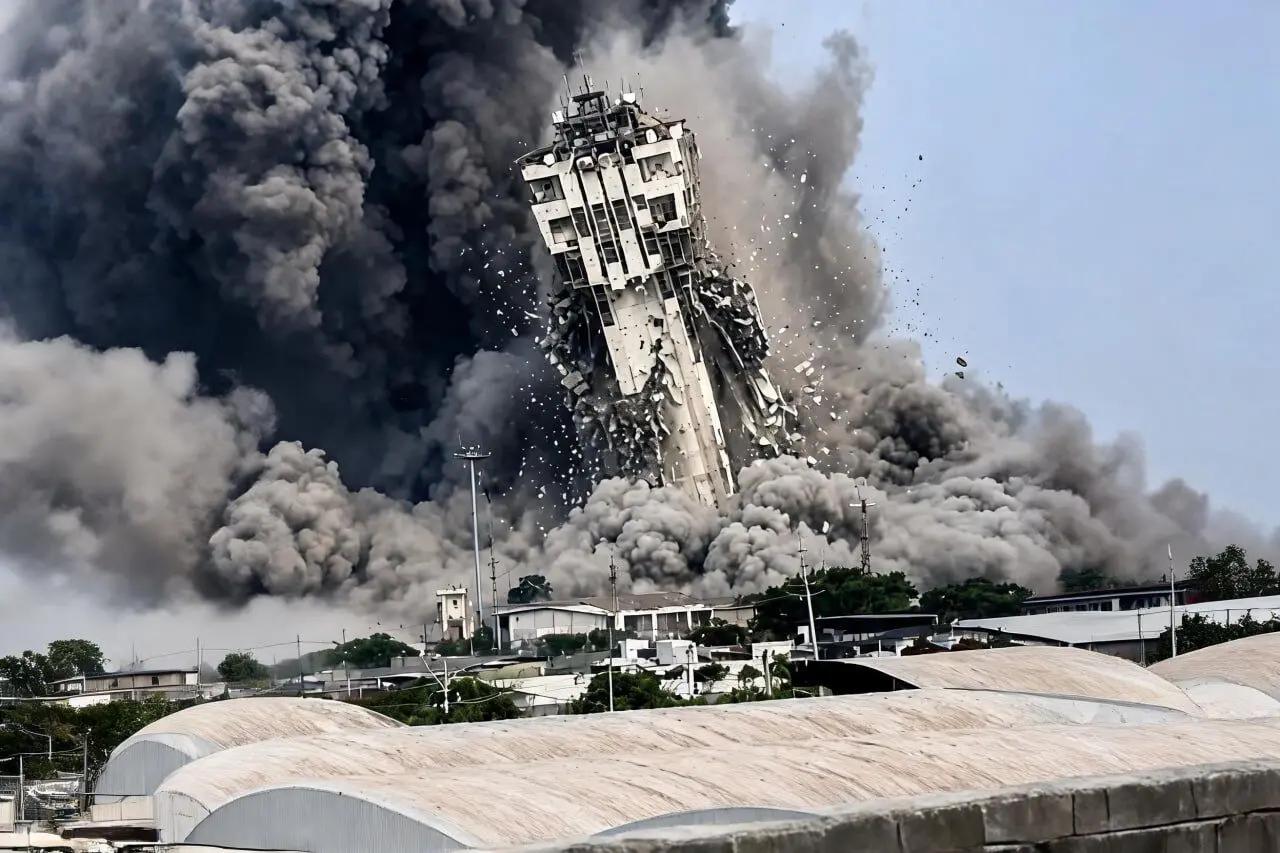
The immediate backdrop included Iranian claims that US strikes hit civilian maritime infrastructure in southern Iran, including an IRGC-reported strike on a maritime observation tower in Chabahar that Iranian state television said was completely destroyed. The same reporting described a wider exchange in which Tehran said it would continue retaliatory strikes across the region while Washington continued attacks on civilian infrastructure in southern Iran and Iranian retaliation at Arab US allies.

Iran’s threats and disputed claims
Iran’s IRGC Aerospace Force commander Brigadier General Majid Mousavi said Iranian attacks would continue “until calm returns to the southern coastline and the Strait of Hormuz,” adding, “In our calculations, the land is the land, and all of Iran, from Tehran to the south, is one hand.” The Express Tribune reported that CENTCOM said US forces destroyed a surveillance tower at Iran's Shahid Kalantari Port in Chabahar on July 16, describing it as part of a maritime surveillance network used by the IRGC along Iran's Gulf of Oman coastline. In the same reporting, the IRGC Navy Command warned in a statement carried by Iranian state television that the US was drawing closer by the moment to the “zero hour” of an operation against CENTCOM naval units, concluding with the warning: “Wait and see.”
Al Jazeera’s account also tied the escalation to Iranian warnings that Tehran would move beyond retaliatory, like-for-like responses, quoting Mohsen Rezaei saying, “Iran will no longer limit itself to retaliatory, like-for-like responses … and no political border will be safe.” The dispute over attribution and effects extended to other claimed incidents, with Al Jazeera describing Iranian accusations that Washington targeted civilian infrastructure and committed war crimes, while the US continued to describe its strikes as degrading Iranian military capabilities.

Human cost, infrastructure, and next moves
Iranian officials and state media described mounting human and infrastructure impacts, with Helsinki Times saying Iran’s Health Ministry reported 38 people have been killed and more than 400 wounded since US strikes resumed after talks in Switzerland on 22 June, when the two sides agreed to a 60-day negotiation period to end the war. Helsinki Times also reported local authorities in Hormozgan province said at least seven people died in attacks near Bandar Khamir, while BBC Verify confirmed damage to the Gariveh Bridge west of Bandar Abbas and footage showed a collapsed section of road the following morning. The same reporting said US Central Command struck dozens of targets, including coastal surveillance systems, air defence sites, logistics facilities and maritime assets, while Iranian officials and state media reported attacks on bridges, a railway station, an airport, electricity lines and communications networks.
Beyond Iran, the conflict’s regional footprint included Iran’s stated attacks on US-linked sites across Bahrain, Qatar, Kuwait, Oman and Jordan, with Bahrain activated air raid sirens and Qatar intercepting projectiles over Doha where falling debris injured a child. In parallel, Reuters-reported market effects were described in Helsinki Times, including that Brent crude rose by about 2 per cent to around $86 a barrel, reaching its highest level since the interim agreement a month earlier, while Fatih Birol of the International Energy Agency warned that prolonged disruption would threaten energy supplies.