USA · updated 1h ago · 2 min read
United States Tightens Sanctions, Forces Iranian Airlines To Cancel International Flights
US sanctions target 27 Iranian airlines, aiming to ground them worldwide. Iranian airlines canceled international flights to multiple destinations as sanctions took effect.
What Iran says it will do if neighbours restrict flights.
9 of 10 outlets skipped it: al Jazeera cites estimated $300m/year from overflights.
Reuters was read line by line by the Watchdog: 5.2. See the score →
25outlets compared
Same story, two versions
tap a side to read it in full
Firstpost
“"If neighbouring countries cooperate with the US and stop Iranian flights, we will ensure their airports cannot function," Rezaei said.”Read the original ↗
Iran International
“If neighboring countries cooperate with the United States in stopping Iranian flights, their airports will not be able to operate either,”Read the original ↗
Both quote Iran’s airport-retaliation threat, but wording differs slightly in “cannot function” vs “not be able to operate”.
Sanctions tighten, flights cancel
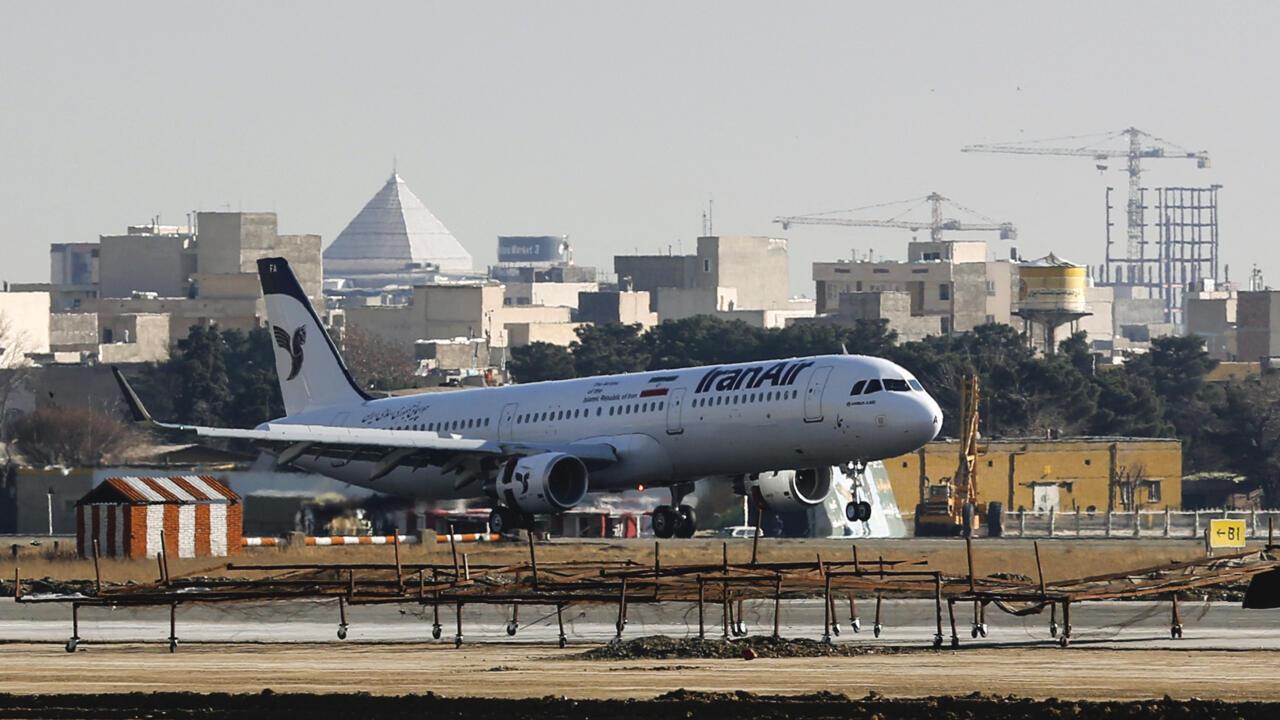
The United States tightened sanctions on Iran's aviation sector, and Iranian airlines were forced to cancel some international flights on Wednesday. Scott Bessent said, "We are putting pressure on the Iranians like they have never seen before," as he announced that starting this Wednesday Iranian airlines would be barred abroad. A travel agent in Tehran told AFP that flights to Baghdad, Muscat, Qatar, Georgia, and Azerbaijan had been suspended, while routes to other destinations, including China, remained available.
The US sanctions shut domestic airlines out of much of the world’s airspace, and Wednesday marked the expiry of a short wind-down period allowing countries to stop servicing Iranian carriers. Aviation authorities in neighbouring countries would no longer be providing services to Iranian airlines, including Oman, Azerbaijan, and Georgia.

Secondary sanctions and retaliation
Scott Bessent warned that any companies that violate these sanctions will be cut off from the U.S. financial system, and he said, "probably more than 80 or 90% of Iran’s flights abroad have been canceled." Mohsen Rezaei, secretary of Iran's Supreme National Security Council, threatened on state television that, "If neighbouring countries cooperate with the US and stop Iranian flights, we will ensure their airports cannot function." Rezaei issued the warning as new US measures targeting Iran's aviation sector took effect, with foreign companies providing services to Iranian airlines facing secondary sanctions.
Airports and companies that provide Iranian-operated aeroplanes with fuel, landing services, or ticket sales risk secondary US sanctions that could cut them off from the US financial system. Baghdad Airport was declared off-limits to Iranian carriers, but flights to Najaf Airport were still operating on Wednesday.

Air travel routes and jobs
Flight cancellations pushed thousands of travellers towards land crossings, particularly those with Turkiye and Armenia, where onward international flights remain available for Iranians. Heavy congestion was reported at the Bazargan and Razi border crossings with Turkiye and along land routes to the Armenian capital Yerevan. Iran-based aviation and transit expert Mohammadreza Ebrahimpour warned the measures could put tens of thousands of jobs at risk across the aviation sector and related industries, including tourism and hospitality.
Scott Bessent said, "On 23 September all Iranian airlines will be shut down around the world," as Washington threatened secondary sanctions on airports and aviation service companies. Beijing sharply criticised the measures as "illegal" and foreign ministry spokesperson Guo Jiakun said China "consistently opposes illegal unilateral sanctions".