Full story
Iraq strikes widen war
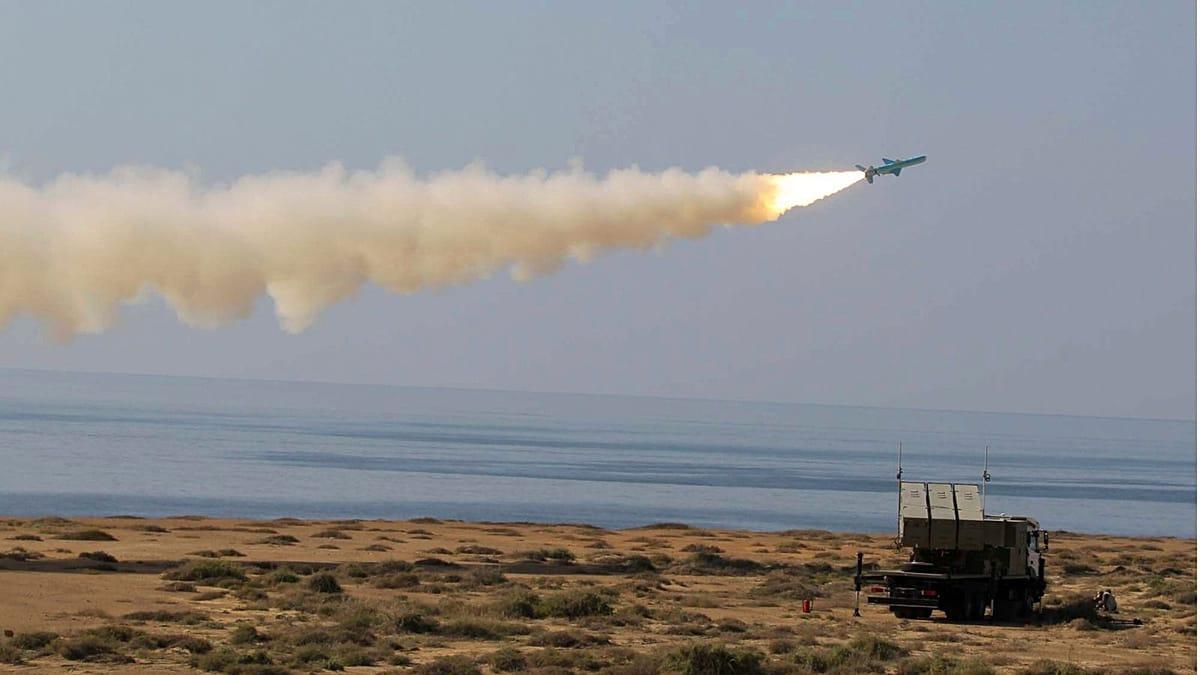
US-Saudi strikes on Iran-backed forces in Iraq came hours after the Revolutionary Guards launched missiles at a US base in Jordan, signaling a sharp widening of the conflict even as Washington and Tehran continued indirect contacts.
“War on Iran: Phase II: Day 18 Tehran, Iran – Iran has continued to push back against the United States and other rival interests in the region, as a new round of attacks fuels fears of a wider conflict”
Iraq's Iran-backed Popular Mobilization Forces said at least 20 of its members were killed and 32 wounded in the strikes, while US Central Command said it targeted sites used by groups it accused of carrying out more than 30 drone attacks on US forces and Saudi oil infrastructure over the previous 72 hours.

Iran's consulate general in Karbala denied reports that four IRGC members were killed, saying the strikes hit an unoccupied building and caused no casualties.
The operation also marked the first time Saudi Arabia publicly acknowledged taking part in US military action against Iran-backed groups, and Iraq's presidency condemned the strikes on the paramilitaries as "an unacceptable attack" on the country's sovereignty.
Iraqi Prime Minister Ali al-Zaidi cancelled a planned meeting with Saudi Crown Prince Mohammed bin Salman following the strikes, Reuters reported, citing three people familiar with the matter.
Threats, warnings, and analysts
Iraq's Harakat Hezbollah al-Nujaba warned that US and Saudi forces would pay a "heavy price," while Iran's Foreign Ministry condemned the strikes as an attempt by the United States and Israel to widen the regional conflict.
In Baghdad, the Iraqi presidency called the air raids on the PMF, also known as al-Hashd al-Shaabi, “a blatant violation of Iraq’s sovereignty, targeting its official institutions”.
US president Donald Trump said the US would be “be hitting [Iran] hard” even as he claimed the strikes in Iraq were coordinated with the government, despite Baghdad’s condemnation.
Sanam Vakil, the director of the Middle East and north Africa programme at the Chatham House thinktank, said, “Everyone is trying make sense of something that is increasingly senseless,” and warned that there was “no longer any plausible deniability because everyone knows how the relationships are intertwined.”
Negotiations strain as attacks spread
Mediators told AP they saw progress in efforts to halt the Iran war and get the United States and Iran back to negotiations after both sides paused attacks, but scattered attacks by armed groups across the region underscored lingering tensions.
“To display this content from YouTube, you must enable advertisement tracking and audience measurement”
AP reported that neither the U.S. nor Iran reported carrying out any attacks for three days, a respite after about two weeks of sustained bombardments, while mediators led by Qatar and Pakistan worked to bridge the gap to return to an interim ceasefire deal that had collapsed.
Iran’s Foreign Ministry spokesperson Esmail Baghaei said mediators may convey messages from the American side but that there were no direct negotiations, while Trump told reporters on Air Force One, “We’re having good talks, so we’ll see what happens.”
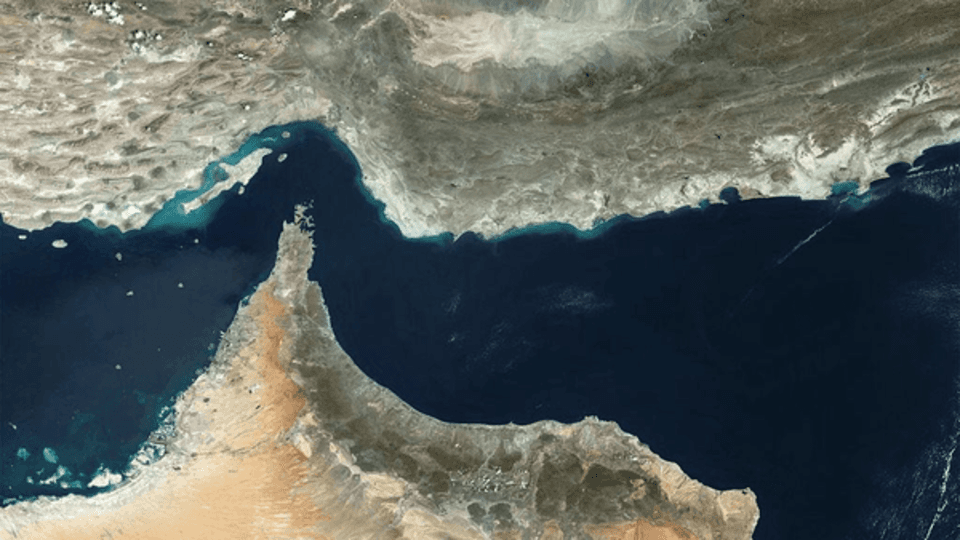
The stakes remained tied to the Strait of Hormuz, with AP noting that the U.S. paused attacks after targeting Iranian coastal areas and infrastructure in a nearly two-week escalation sparked by Iran’s firing at ships trying to transit the Strait of Hormuz, and with Al Jazeera reporting that Iran’s deputy foreign minister Kazem Gharibabadi said Oman’s 50-50 management split was unacceptable.