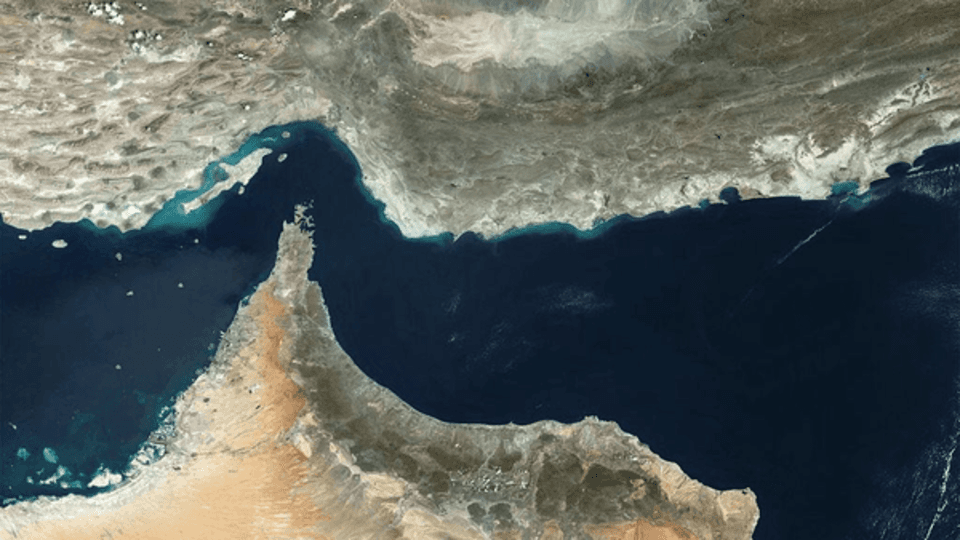
Full story
Oman-Iran standoff over Hormuz
Iran rejected a proposal from Oman for joint oversight of the Strait of Hormuz and instead made a counterproposal, as both sides continued to debate terms for a final agreement.
“Iran has rejected a proposal from Oman for the countries’ joint oversight of the critical Strait of Hormuz”
Iran’s Deputy Foreign Minister Kazem Gharibabadi said in a state broadcast on Tuesday that Oman’s proposal had not sufficiently addressed Tehran’s concerns about control of the strait.

Gharibabadi said Iran’s counterproposal would give Tehran more control over the waterway, and he warned that the strait will remain closed if Oman rejects the plan.
The dispute has been tied to the conflict between the United States and Iran since late February, when US-Israeli attacks began on Iran, and to a memorandum of understanding signed by Iran and the US on June 17 that was supposed to reopen the strait to shipping for at least 60 days.
Al Jazeera’s Resul Serdar Atas reported from Tehran that Oman was considering yet another proposal that could include three routes for maritime traffic, including one through Iran’s territorial waters, an international lane, and a third through Omani waters.
Iran’s control and U.S. role
A separate report from Tasnim News Agency said the Islamic Revolutionary Guard Corps announced it had targeted three oil tankers as they attempted to pass through the Strait of Hormuz, claiming they did not heed warnings and continued sailing along a route it described as dangerous and illegal.
The same account said the IRGC Navy reported in a statement that the three oil tankers continued sailing despite the warnings, prompting Iranian forces to strike them and force them to stop.
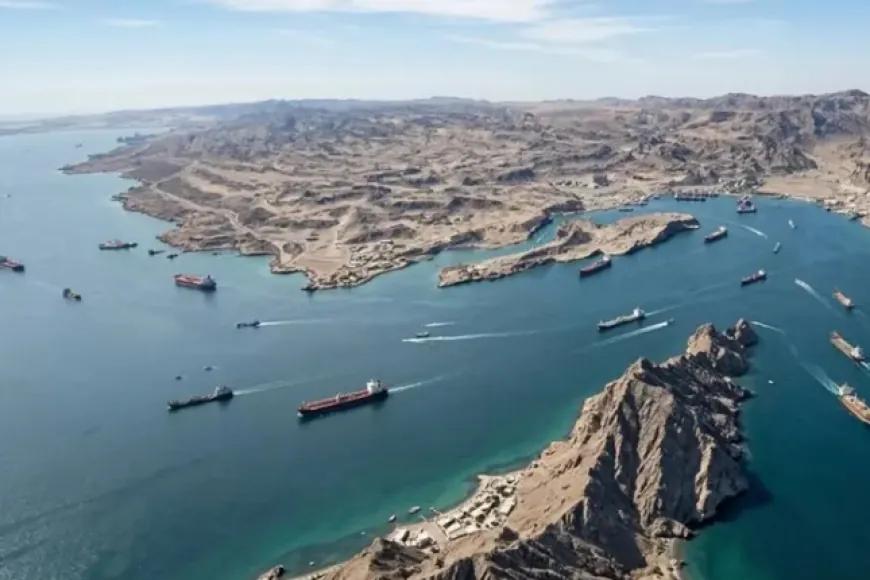
In another development, U.S. Central Command said Iran does not have authority to control navigation in the Strait of Hormuz.
A report carried by Entekhab quoted two regional diplomats saying progress had been made on a temporary formula that would activate an intermediate route in the Strait of Hormuz between the waters of Oman and Iran for shipping.
Entekhab also said Iran continues to insist that it should ultimately take control of the Strait of Hormuz and collect tolls from ships, a position opposed by the United States.
Negotiations hinge on fees
Iran’s position in the negotiations centers on control of shipping routes and the collection of fees, with Kazem Gharibabadi saying Tehran’s proposal is that the entry route for ships and part of their exit route would be under Iran’s control.
“He said this proposal constitutes the firm position of the Islamic Republic of Iran”
The Oil Desk report, citing The Wall Street Journal and sources familiar with the matter, said Oman’s plan would share management of vessel traffic routes through the Strait of Hormuz equally between Iran and Oman, but Tehran did not consider the 50–50 pattern compatible with its security considerations.
The same report said Iran opposed the participation of third countries in a potential mine-clearing operation, even if Oman invites them, and it said rejecting Oman’s proposal could pose a new obstacle to mediators’ efforts to fully reopen the Strait of Hormuz.
VOI.ID reported that Gharibabadi said, "We did not submit any request for negotiations with the United States in the last 16-17 days," and it quoted him saying, "If the strait returns to its previous state, our success in this war will not be complete."
VOI.ID also said the MoU requires Iran to provide safe passages for merchant ships "at no charge, for only 60 days," while negotiations with Oman on the strait’s new rules continued throughout the month without resolving the issue.


