Full story
Three options after talks
US President Donald Trump and Israeli Prime Minister Benjamin Netanyahu weighed three possible paths on Iran during a closed-door White House meeting that lasted nearly 90 minutes on Tuesday.
“We discussed all of those options at length and very candidly.”
The senior Israeli official said the options discussed were “a deal, continuing the blockade and economic pressures, and a massive strike,” while also stressing that “in the end, it’s his decision” for Trump.

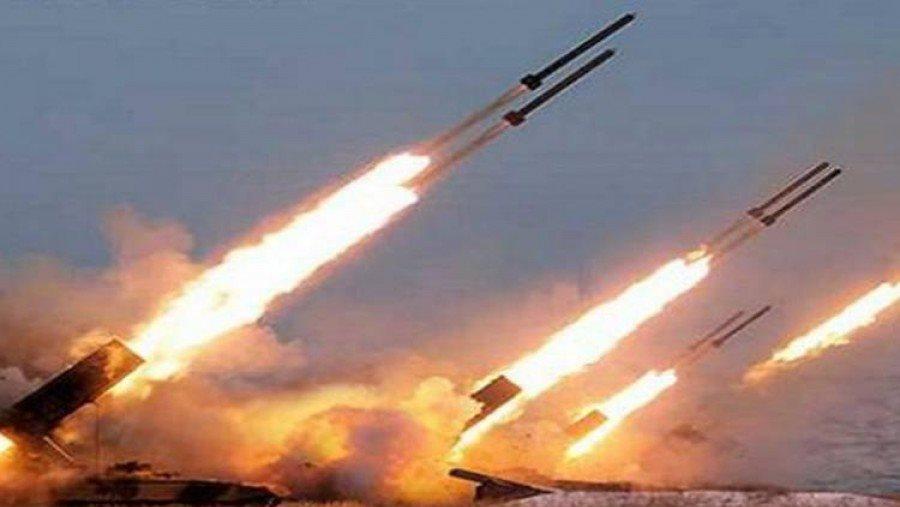
The meeting came as Trump was still pursuing negotiations with Tehran while preparing for large-scale military operations after pausing US strikes last week, and hours after the talks ended Iran launched ballistic missiles at a US base in Jordan.
The discussions also included Israel’s assessment of Iran’s internal debate between those worried about economic collapse and hardliners, and the Israeli official described Mojtaba Khamenei as “alive, but nobody can testify that they've actually seen him.”
Pressure-first strategy
After the meeting, a senior Israeli official told Iran International that Israel wants to intensify economic pressure on Iran while preserving the threat of military action, and said Trump and Netanyahu discussed three possible paths: reaching an agreement, maintaining sanctions with intermittent military strikes, or launching a broader military campaign.
The official said Israel and Trump were aligned on preventing Iran from rebuilding its military and nuclear capabilities, arguing that maximising economic pressure while maintaining a credible military threat would place Tehran under increasing strain without immediately requiring another full-scale war.

Trump remained concerned about the impact of renewed conflict on energy markets and the global economy, while Netanyahu acknowledged those concerns and argued they could be addressed by further squeezing Iran’s already fragile economy.
The same official said Iran’s leader Mojtaba Khamenei was believed to be alive, and that Khamenei instructed those around him not to act without his approval and became angry when that instruction was ignored.
Negotiations, blockade, and stakes
In parallel with the Trump-Netanyahu talks, Al Jazeera reported that Trump said Washington was engaged in “very friendly negotiations” with Iran after pausing military strikes last week, and that he warned military action could resume if negotiations fail.
“very friendly negotiations”
Al Jazeera said Iran has publicly denied holding direct talks with Washington, with foreign ministry spokesman Esmaeil Baghaei saying “intermediaries may convey messages from the American side to us regarding ongoing developments in the region”.
The diplomatic push centered on the Strait of Hormuz after the June 17 MoU committed Iran to facilitating commercial shipping freely through the strait for an initial 60-day period, while disputes emerged over routes and implementation.
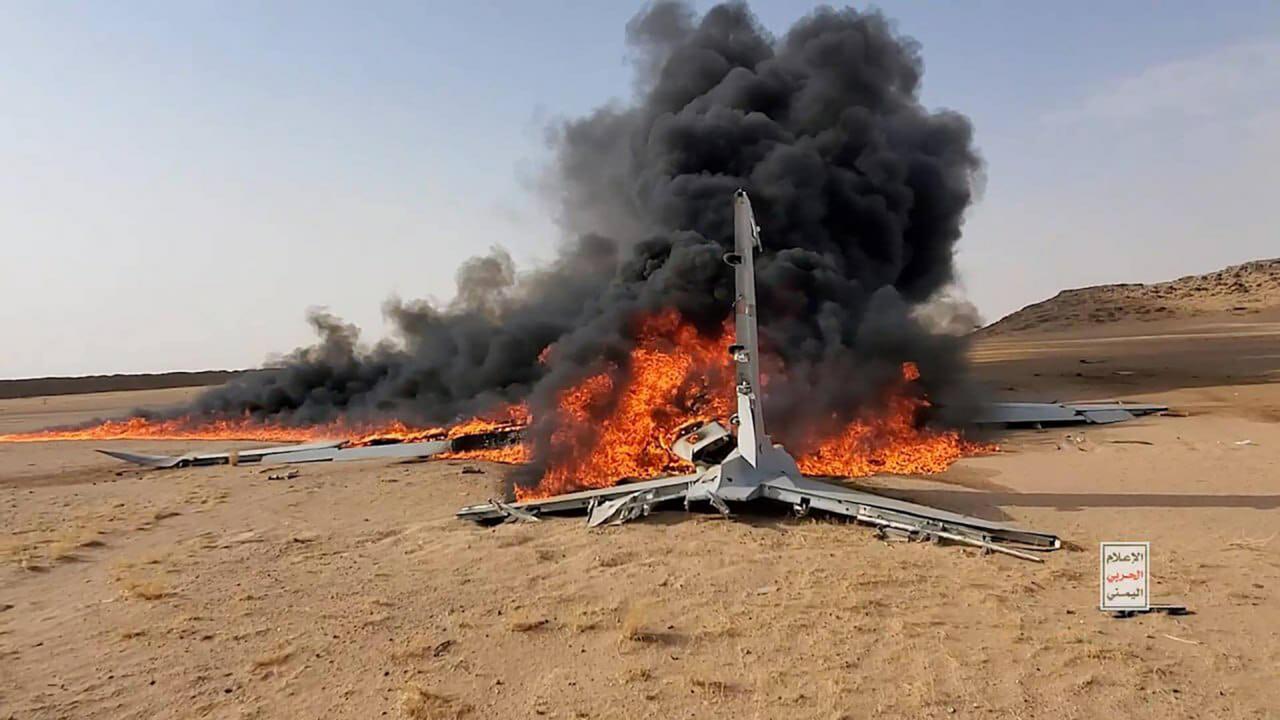
Al Jazeera also said the talks came as the strategic landscape shifted, with the Iran-aligned Houthis in Yemen opening another front in the Red Sea and oil markets remaining volatile, and it noted that Trump’s potentially fraught meeting with Netanyahu could influence the direction of negotiations.