Full story
Strikes in Iraq
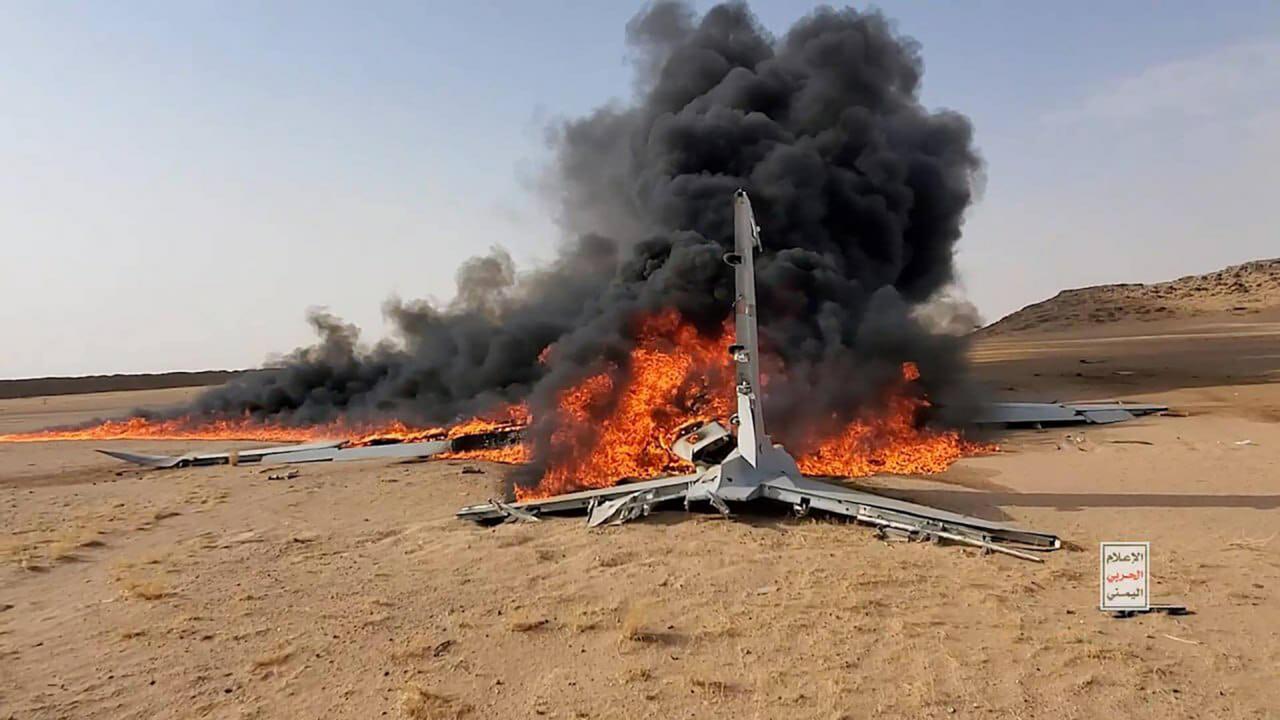
The United States and Saudi Arabia carried out joint air strikes on Wednesday against Iran-backed militias in Iraq, with NPR saying the operation killed at least 20 fighters and the Popular Mobilisation Forces (PMF) reporting 32 wounded.
“killing at least 20 fighters.”
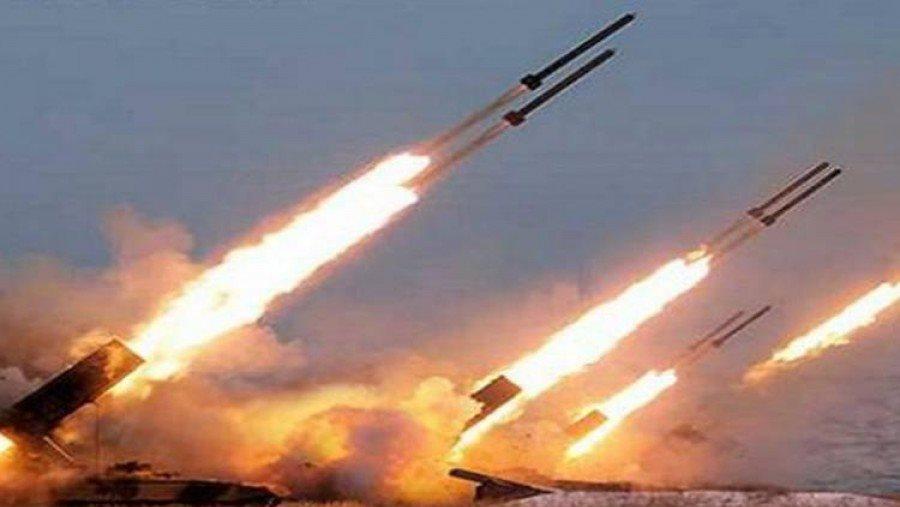
NPR reported that Iran launched a barrage of missiles at American forces in the Middle East early Wednesday as the U.S. partnered with Saudi Arabia to strike Tehran-backed militias in neighboring Iraq.

The BBC said the U.S. Central Command stated that "The IRGC does not have the authority to determine the course through the Strait of Hormuz," while also reporting that five IRGC members were killed in Iraq.
In the same BBC account, CENTCOM framed the strikes in the context of demanding disarmament of Iran-aligned groups in the region, and it described the campaign as being conducted simultaneously, especially in Iraq and Lebanon.
Competing claims and threats
Saudi Arabia said the strikes were “in response to recent drone attacks” and that its air defences “intercepted and destroyed several drones” launched from Iraqi territory, while the Islamic Resistance in Iraq denied any role and said Saudi claims were “fabrications.”
Al Jazeera reported that the PMF said the U.S.-Saudi attacks represented a “highly dangerous escalation” and a violation of Iraq’s sovereignty and official security institutions.
In the same Al Jazeera account, the Saudi Ministry of Defence also emphasized that “The Kingdom emphasises that it does not seek escalation but will respond to any aggression it faces.”
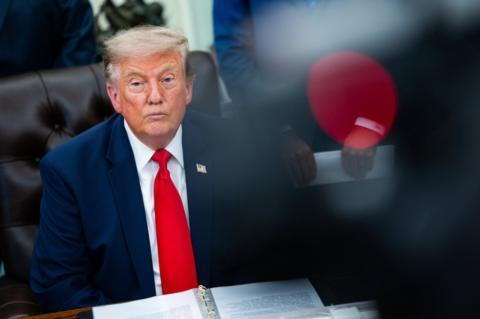
The Guardian described the strikes as pushing the region into “uncharted territory,” and it quoted Donald Trump saying the U.S. would be “be hitting [Iran] hard,” while also noting Baghdad’s condemnation.
What’s at stake next
The BBC linked the Iraq campaign to a broader push for “weapons under government control,” describing how Ali Zaydi’s promise in Iraq was framed around bringing PMF under government supervision.
“As of July 29, CENTCOM has redirected 20 commercial vessels, disabled two, and boarded two”
NPR said the flare-up on multiple fronts after several days of relative calm raised the risk of a return to all-out war and underscored the difficulty of winding down a five-month conflict.
DW reported that CENTCOM said it continues to “impartially” enforce a naval blockade against ships looking to dock in or depart from Iranian ports, and it added that as of July 29 CENTCOM had redirected 20 commercial vessels, disabled two, and boarded two.
The Express Tribune reported that CENTCOM said American forces helped approximately 1,000 vessels and 500 million barrels of crude oil pass through the Strait of Hormuz since early May, while also quoting CENTCOM’s claim that “Fact: The Strait of Hormuz is an international waterway.”