Full story
Missiles, strikes, and dead
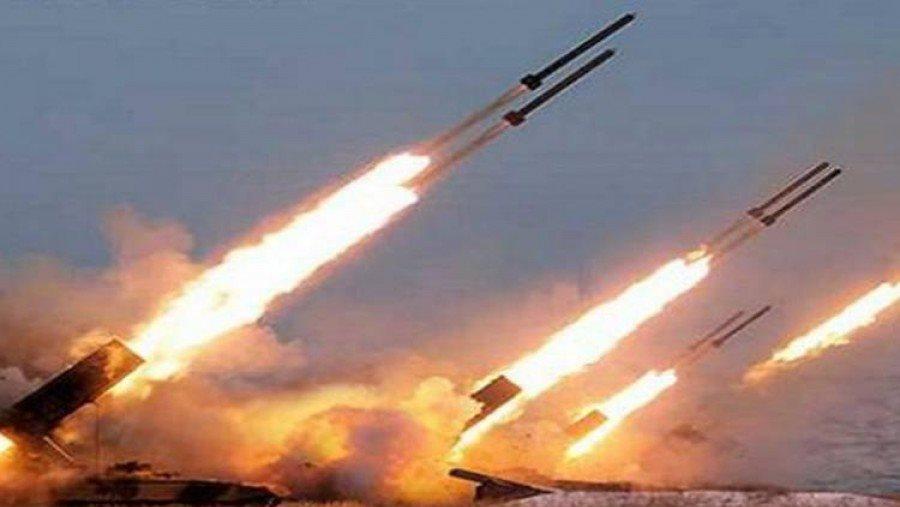
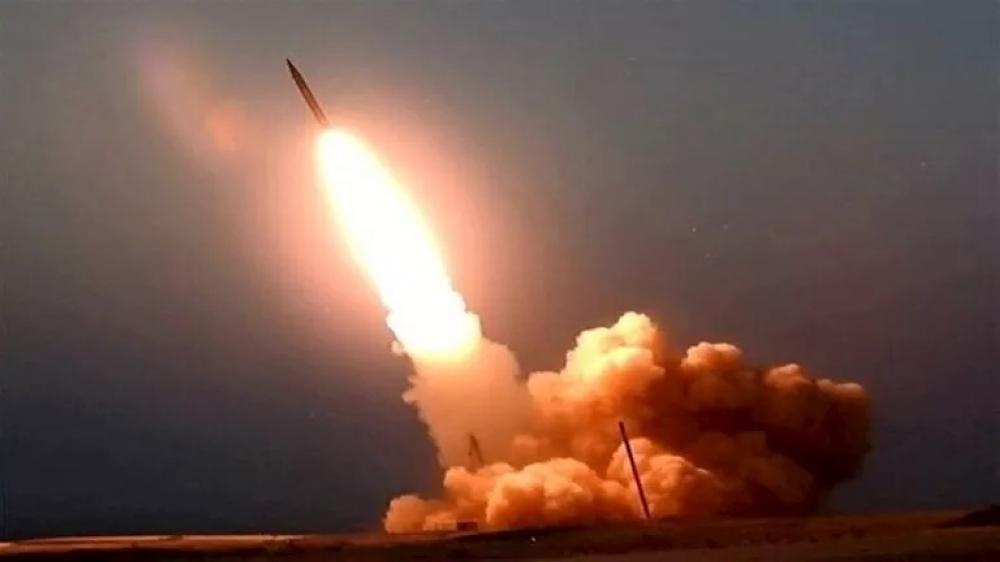
Iran launched a barrage of missiles at American forces in the Middle East early Wednesday as the U.S. partnered with Saudi Arabia to strike Tehran-backed militias in neighbouring Iraq, killing at least 20 fighters.
“Iran launched a barrage of missiles at American forces in the Middle East early Wednesday”
The flare-up came after a brief lull in direct U.S. attacks on Iran, and the renewed fighting followed Iran’s missile attack on U.S. military installations in Jordan, described as its first attack in the region since the pause in fighting with the U.S.

In Iraq, the Popular Mobilisation Forces said at least 20 fighters were killed and 32 others wounded in the overnight strikes, while two Iraqi militia officials told the Associated Press that six Iranian advisers were killed.
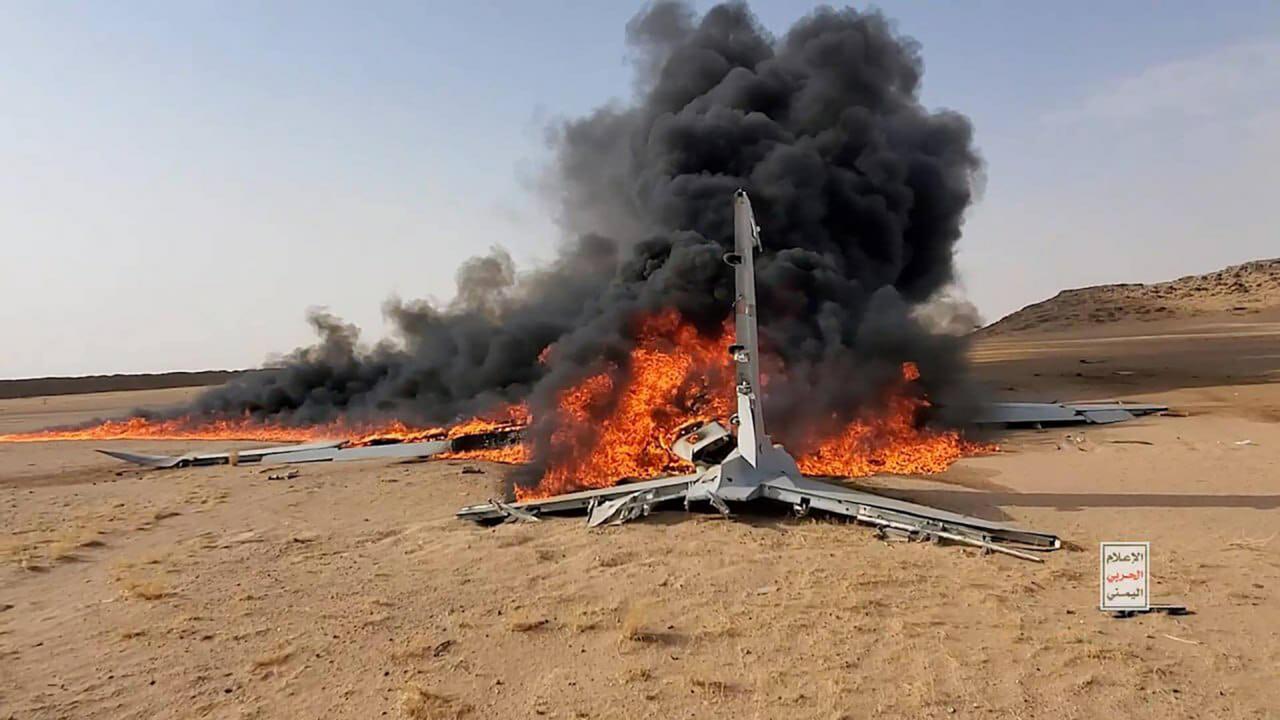
Jordan’s military said it intercepted and destroyed five Iranian missiles launched from Iran, and the U.S. military later announced that American and Saudi fighter aircraft struck multiple logistics and weapons sites in eastern Iraq in response to alleged drone attacks on Saudi Arabia.
Trump’s threats and Iraqi anger
U.S. President Donald Trump vowed to launch powerful strikes against Iran after Tehran attacked U.S. bases in Jordan, telling Fox News, "We'll be hitting them hard. They're going to get a beating," and adding, "We are going to beat the 'effing s' out of them."
The Iraqi presidency condemned the U.S.-Saudi air raids on PMF facilities as "an unacceptable attack and a blatant violation of Iraq's sovereignty, targeting its official security institutions."
Al Jazeera’s Jack Hewson said the attack was "obviously a major incident for the PMF," which he described as "legally part of Iraq's state forces".
The U.S. and Saudi strikes were framed by CENTCOM as a response to "over 30 IRGC-directed aerial drone attacks in the last 72 hours," while the Saudi Defense Ministry warned that it "does not seek escalation but will respond to any aggression."
Hormuz, oil prices, and next moves
The renewed hostilities came as mediators said they were "still trying with both sides" to restore calm and get the ceasefire back on track, after an interim agreement collapsed in recent weeks over renewed fighting in the Strait of Hormuz.
“mediators are "still trying with both sides" to restore calm”
Oil markets reacted immediately, with Brent crude jumping 3.1% to $84.58 a barrel in one account, while another report said Brent crude futures went to more than $88 a barrel after the U.S. confirmed Iran’s attack.
Iran’s Revolutionary Guard said it fired ballistic missiles at Jordan's Muwaffaq Salti Air Base, and Jordan said five Iranian missiles were intercepted and destroyed, while the U.S. warned that further attacks on American troops or Saudi Arabia’s energy infrastructure could lead to more action.
The dispute over shipping through Hormuz also sharpened, with Iran rejecting Oman’s proposal to jointly manage traffic and Deputy Iranian Foreign Minister Kazem Gharibabadi telling state television that Tehran rejected splitting transit routes equally and instead proposed managing shipping on its side of the strait.