Full story
Missiles, strikes, and deaths
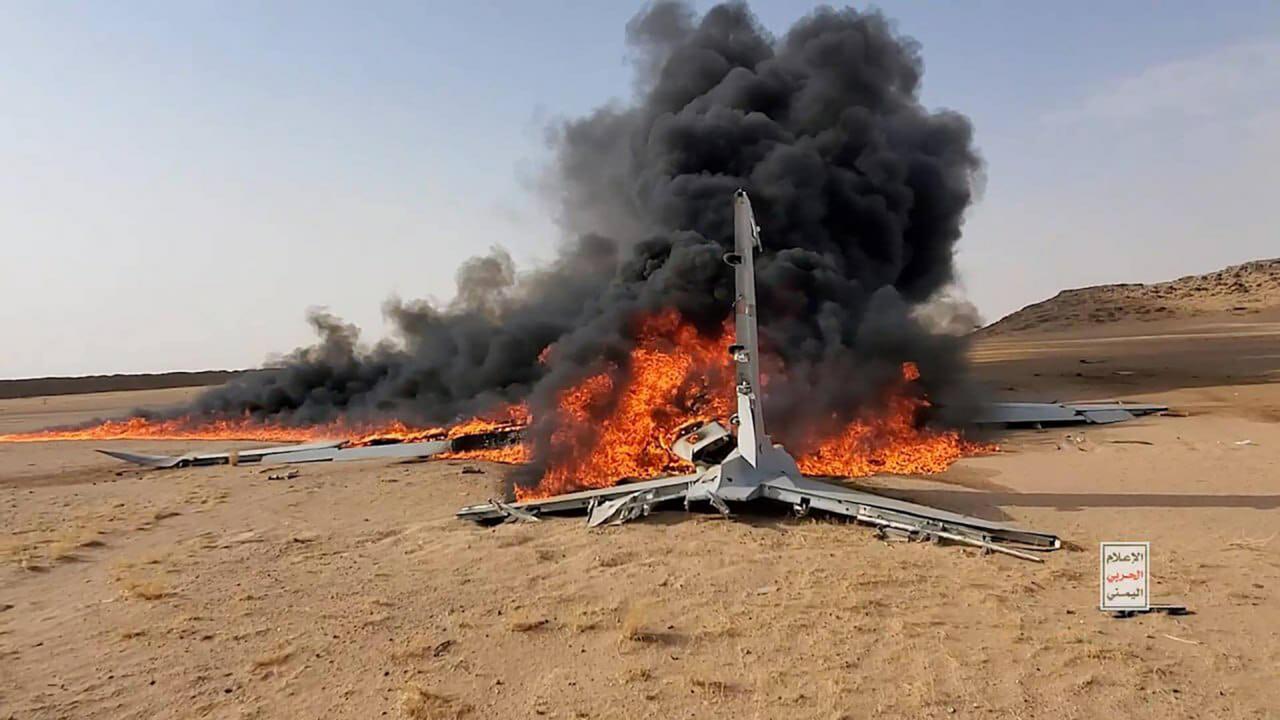
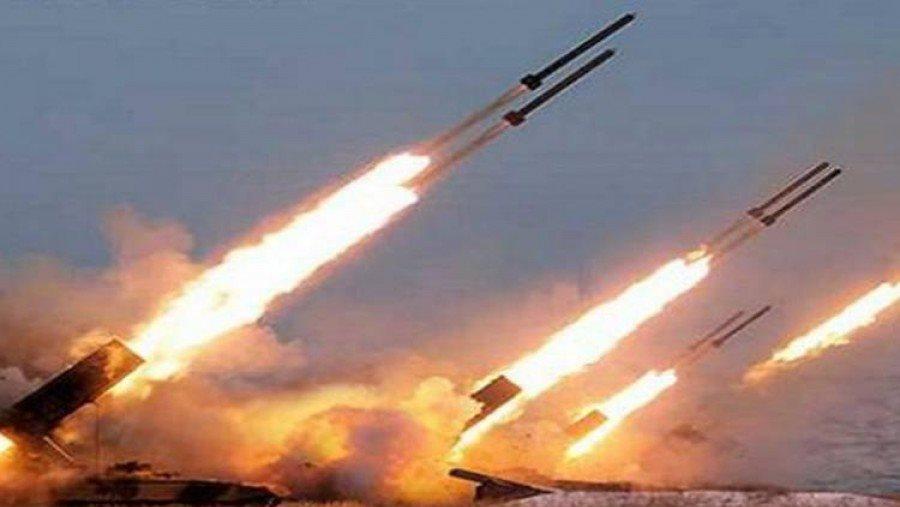
Iran launched a barrage of missiles at American forces in the Middle East on Wednesday as the U.S. partnered with Saudi Arabia to strike Tehran-backed militias in neighboring Iraq, killing at least 20 fighters and six Iranian advisers, according to AP News.
“killing at least 20 fighters and six Iranian advisers”
AP reported that Iranian state television shared footage it claimed showed missile launches aimed at U.S. airbases in Jordan, and that Jordan’s military said five Iranian missiles had been intercepted and destroyed.

The U.S. later announced that American and Saudi fighter aircraft struck multiple logistics and weapons sites in eastern Iraq in response to alleged drone attacks on Saudi Arabia, while the Popular Mobilization Forces said at least 20 fighters were killed and 32 wounded in the overnight strikes.
In the same AP account, two Iraqi militia officials said six Iranian advisers were also killed, and Iran’s deputy governor for political, security and social affairs in Markazi province told Iranian state media that four advisers were killed.
AP also said the flare-up on multiple fronts after several days of relative calm raised the risk of a return to all-out war, underscoring the difficulty of winding down a five-month conflict.
Trump’s retaliation and competing claims
U.S. President Donald Trump said in the Oval Office on Wednesday, “We’re going to be hitting them very hard because it’s our turn to hit them,” after the U.S. said it intercepted a “surprise attack” by Iran on its forces, according to CNN.
CNN reported that Jordan’s military said it intercepted five missiles launched from Iran early Wednesday, and that the PMF said at least 20 people were killed.
In a separate account, the Washington Post reported Trump said, “They’ve already apologized, but, you know, we got to smack them a little bit,” after U.S. officials said Iran launched a ballistic missile attack that was intercepted.
The Washington Post also said Iran’s Foreign Ministry accused Washington of seeking to widen the war and condemned the U.S.-Saudi attack, while U.S. Central Command said the two militaries’ strikes were coordinated with the government despite Baghdad’s condemnation.
The Guardian framed the U.S.-Saudi strikes on Wednesday as pushing the region into “uncharted territory,” and said Riyadh’s decision to publicly join the strikes killing at least 20 fighters added “another complicating dimension” to the war.
Operational security and wider stakes
As the conflict spread across multiple fronts, Roya News reported that Admiral Brad Cooper issued a warning to deployed service members that online cellphone videos and public posts provide critical targeting data to Iranian forces, citing a Reuters report.
“The direct, unavoidable cost of this open-source intelligence could be measured”
Roya News quoted Cooper’s letter calling the “direct, unavoidable cost of this open-source intelligence” something that could be “measured in the lives of American service members and civilian residents in targeted Gulf countries,” and said CENTCOM spokesperson Captain Timothy Hawkins told Reuters the message was a general reminder about operational security.
In parallel, the Washington Post said the developments threaten to upend a recent pause in hostilities that Trump had sought in a bid to advance stalled peace negotiations, and it described the strikes as signaling a potential expansion of the five-month war.
The Guardian reported that the Iraqi presidency called the air raids on the PMF “a blatant violation of Iraq’s sovereignty, targeting its official institutions,” while the PMF is described as an armed alliance established in 2014 to fight the Islamic State group.
AP also said the renewed hostilities sent oil prices spiking, with Brent crude jumping 7.3% to $88.093 a barrel, as the flare-up raised the risk of a return to all-out war.