
Iran · 28 July, 2026 · 2 min read
Iran Executes Abolfazl Sepahi Badjani And Amir Hossein Safari Hosseinabadi In Isfahan
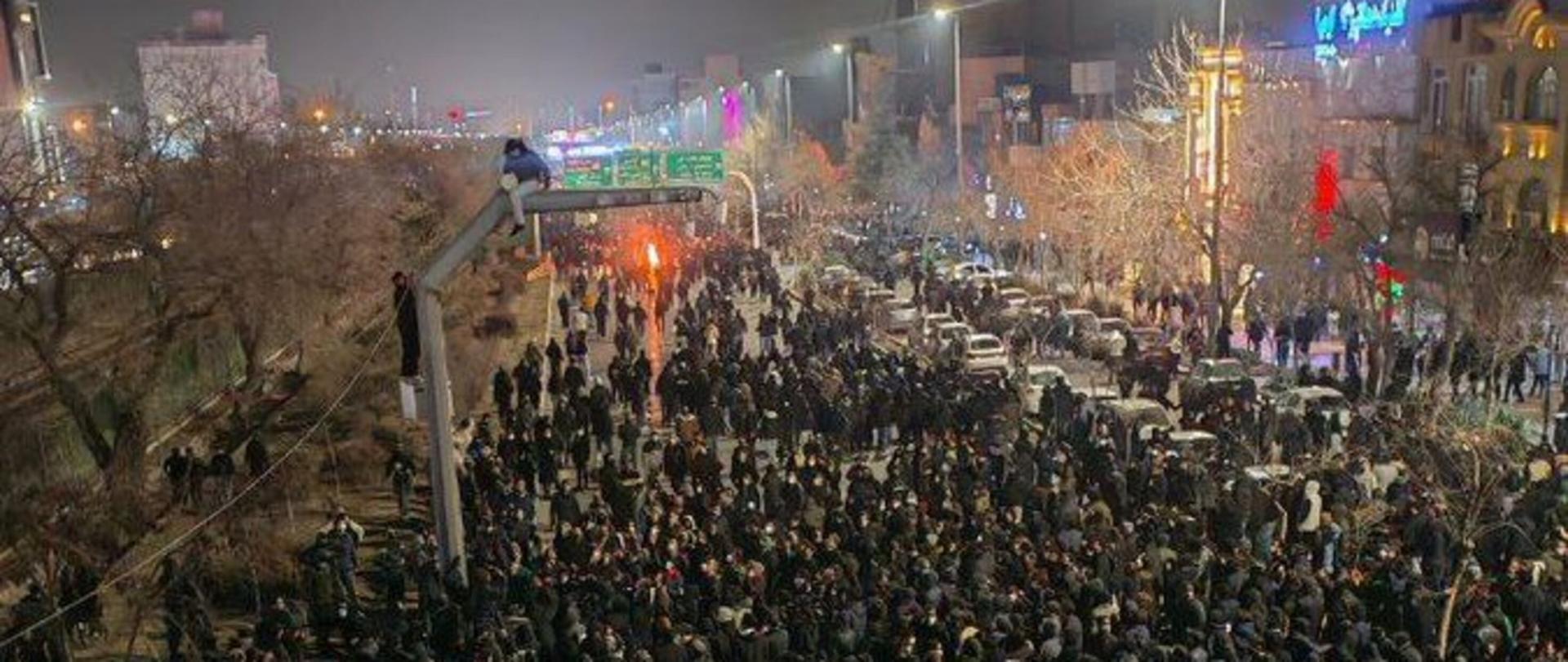
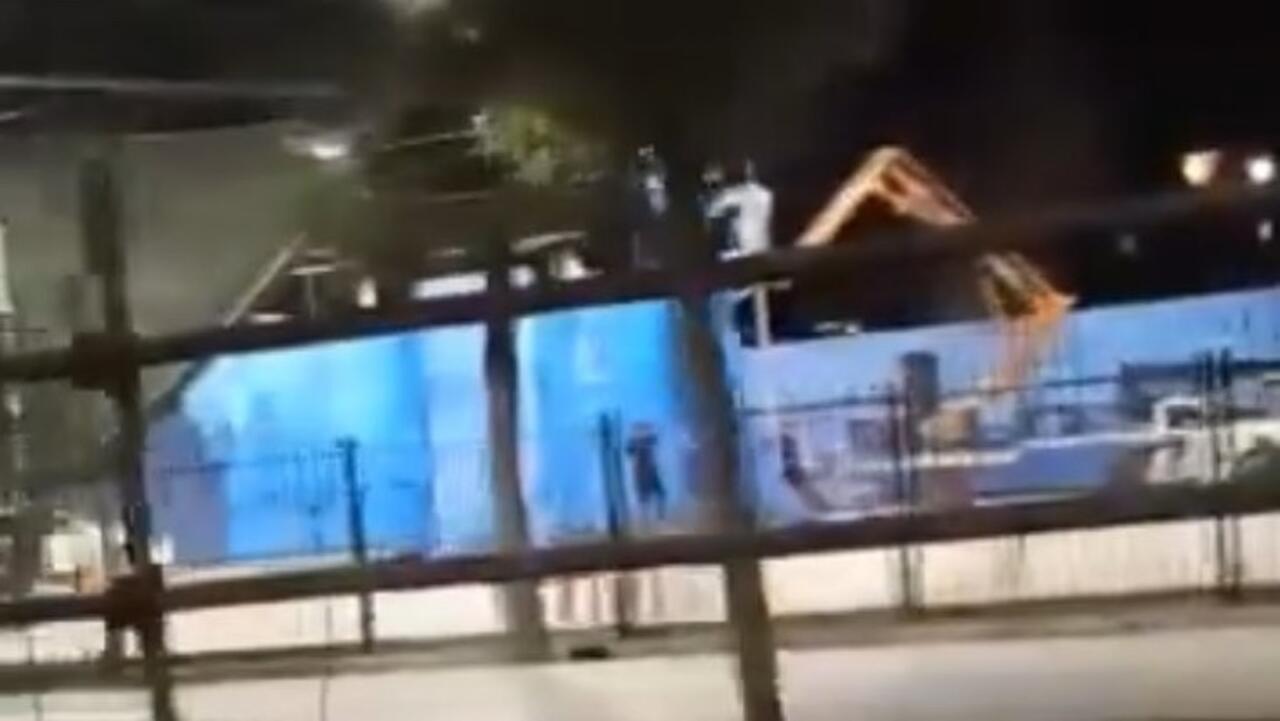
Abolfazl Sepahi Badjani and Amir Hossein Safari Hosseinabadi were publicly hanged in Isfahan. Public hangings occurred at Shahid Alikhani Square as part of January protests.
Whether the crowd reaction undermined the regime’s intent.
6 of 8 outlets skipped it: public hangings aim to intimidate via fear.
France 24 was read line by line by the Watchdog: 4.6. See the score →
12outlets compared
Same story, two versions
tap a side to read it in full
National Council of Resistance of Iran
“Rather than projecting strength, these brutal public displays expose the deep vulnerability of a desperate regime”
WBAL News Radio
“state media reported.”
NCRI and RFE/RL frame events as regime weakness and fear; AP-style reports are less explicit.
July 28 public hangings
Iran publicly executed two men, Abolfazl Sepahi Badjani and Amir Hossein Safari Hosseinabadi, in Isfahan on July 28, after they were convicted of killing four police officers during January protests.
“publicly executed two Iranian protesters in Isfahan at dawn on July 28”
France 24 reported that several hundred people gathered near a stage set up in Isfahan’s Alikhani Square at dawn, but instead of cheering they chanted slogans against the police and anti-riot units dispersed the crowd.
Radio Free Europe/Radio Liberty said the executions took place in the city of Isfahan and followed two executions on July 28 that marked the first public hangings to take place in a year.
The same Radio Free Europe/Radio Liberty account said the two men had been sentenced to death in connection with unrest during the January protests, and it described the crackdown as part of a surge in executions tied to political dissent.
Protests and international pushback
Witnesses described police dispersing the crowd and chasing people through nearby streets and alleys, using Tasers and tear gas and firing warning shots, according to France 24.
Amnesty International said the public execution of two protesters “marks a further escalation in the authorities’ use of the death penalty to quash dissent,” and warned that at least 60 others remained at risk of execution.
Radio Free Europe/Radio Liberty reported that writer and novelist Hossein Sanapour condemned the July 28 executions and used the hashtag "Do Not Execute," writing, "Do not execute," as a response to what he described as opaque judicial proceedings.
Amnesty International also quoted Heba Morayef saying the “muted response from the international community emboldens the Iranian authorities to continue their deadly rampage,” and called for urgent coordinated diplomatic action to halt further executions.
What happens next
Amnesty International warned that since the beginning of the year Iranian authorities have arbitrarily executed at least 26 people convicted in connection with the January 2026 protests, following “torture-tainted grossly unfair trials by Revolutionary Courts.”
“at least 60 others, including three arrested as children, remain at risk of execution”
The organization said at least 60 others, including three arrested as children, remained at risk of execution after being sentenced to death, while many others faced prosecution on capital charges related to the protests.
Radio Free Europe/Radio Liberty reported that Hassan Nayeb Hashem, an Iranian human rights activist based in Europe, said public executions are carried out “to create greater fear and intimidation [in society],” and that the Islamic republic “hopes to mobilize its own supporters by staging these public spectacles.”
Amnesty International said UN member states must take coordinated diplomatic action, support an independent international justice mechanism for Iran, and urge the UN Security Council to refer the situation in Iran to the International Criminal Court (ICC).