Iranupdated 1h ago2 min read
Archive photo · 11 November 2005Abbas Araghchi Warns Israel’s Persian Gulf Offensive Could Devastate Energy Markets
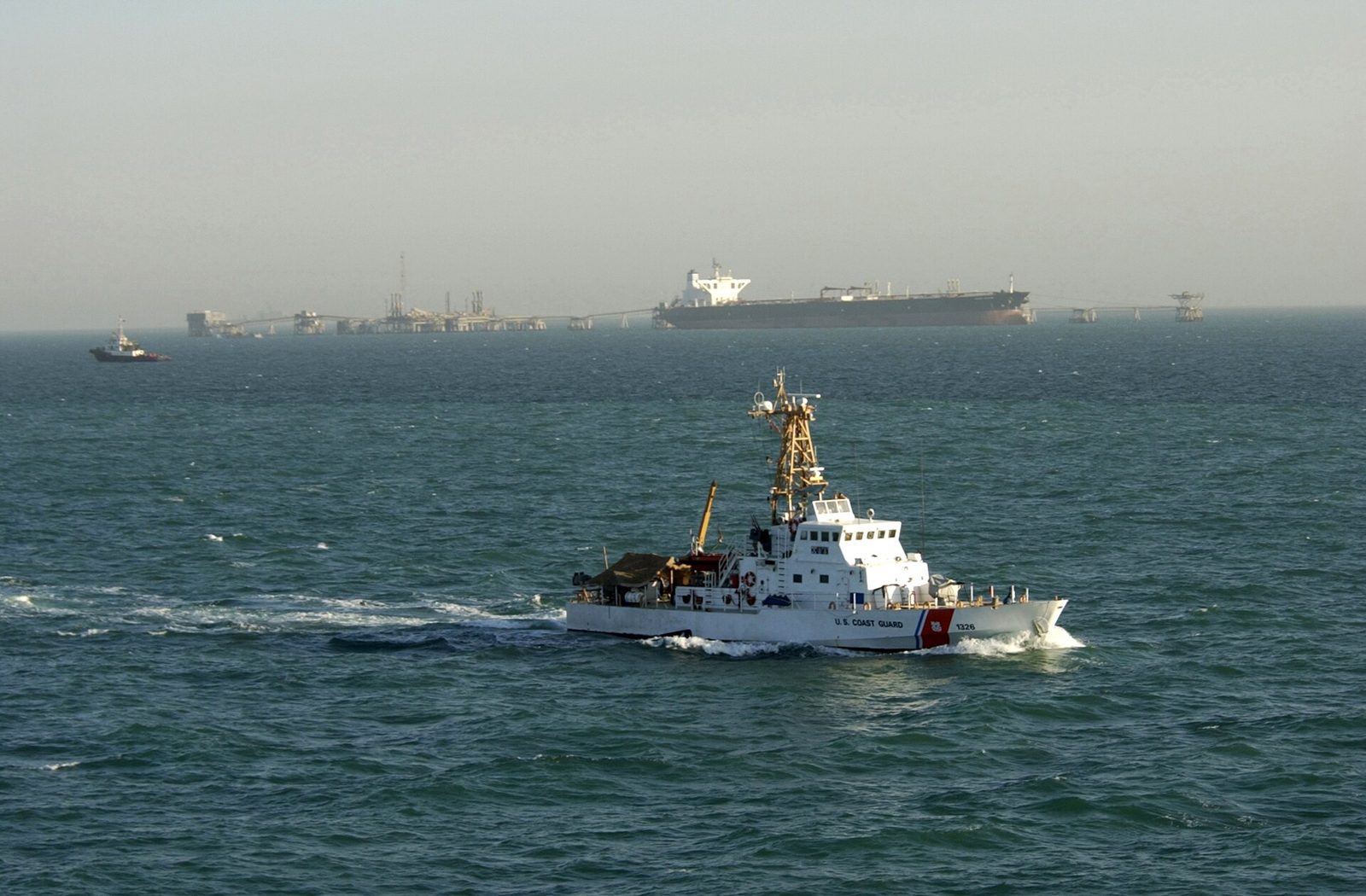
3 West Asian2 Other1 Israeli1 Western MainstreamPhoto: U.S. Navy photo by Photographer's Mate Airman Eben Boothby / US federal government, Public domain · Cropped for layout
This article is an automated aggregation of coverage from news outlets. Our editorials offer in-depth analysis curated by the NewsCord team.
Any renewed Israeli aggression in the Persian Gulf could devastate global energy markets. Iran's energy diplomacy advanced at the GECF Summit, stressing global gas markets and energy security.
7 outlets told this the same way.
i24NEWS was read line by line by the Watchdog: 3.0. See the score →
Iran warns of energy shock
Iran’s Foreign Minister Abbas Araghchi warned that a fresh Israeli offensive in the Persian Gulf could have a “devastating impact” on international markets, especially the energy sector. Araghchi said on X that renewed regional fighting would directly affect both gas producers and consumers, as tensions between Iran and Israel continued to rise. The IMF expects a war between the United States and Israel with Iran to push five of the six Gulf Cooperation Council member states into recession this year.
Only Oman was expected to remain on a growth path, with the IMF projecting Saudi Arabia’s economy to shrink by 3.3% and Qatar’s to shrink by 15.6%. Oxford Economics head of macroeconomic analysis for GCC economies Azad Zanganeh said, “The biggest driver of this economic contraction this time is the drop in oil and gas exports.”
GECF diplomacy and Gulf markets
Araghchi linked his warning to Iran’s energy diplomacy, saying on X that “Iran’s energy diplomacy advanced at GECF Summit. Discussions focused on global gas markets and energy security.”
Araghchi also reiterated that “Devastating impact on int'l markets of any Israel-instigated military misadventure in Persian Gulf region remains major concern for both gas suppliers and consumers.”
The BBC described how disruptions to shipping tied to the war reduced oil and gas exports, and it said the IMF forecast recessions across GCC states.
The BBC reported that Saudi Arabia’s resilience under threat was tied to factors including “diversification of energy infrastructure and logistics” and crisis management efficiency.
The BBC further noted that an East-West pipeline move for Saudi oil to the Red Sea coast for export via the Yanbu port could help provide “more export options than other GCC members.”
What the war threatens next
The BBC said the war’s economic effects in the Gulf have come in three broad recessions over the past fifty years, with the first wave in the early 1980s oil market crisis and a second wave in 2020 tied to COVID-19 pressures and weaker oil demand. The BBC warned that GCC countries are now facing a third wave, and it said the IMF forecast that Saudi Arabia, the UAE, Qatar, Kuwait, and Bahrain would all enter recession while Oman would grow. Iran warned Wednesday that a new Israeli offensive in the Persian Gulf could have severe economic consequences as tensions between the two countries continue to rise.
Provisional results from Israel’s parliamentary elections showed Benjamin Netanyahu’s Likud party in the lead as Abbas Araghchi’s comments came. The BBC concluded that “three Gulf economies could shrink by more than 10% in a single year,” a pattern it said had not appeared in available data for more than half a century.