Iranupdated 52m ago3 min read
Archive photo · 27 December 2025Trump Says Iran War Ends When He Wants, While U.S. Costs Reach $47 Billion
7 West Asian1 Western Alternative1 Western MainstreamPhoto: Khamenei.ir, CC BY 4.0 · Cropped for layout
This article is an automated aggregation of coverage from news outlets. Our editorials offer in-depth analysis curated by the NewsCord team.
Iranian Supreme Leader demands conditions be met to end the war. Iran acts to move beyond 'no war, no peace' per Leader’s directives.
Middle East Eye was read line by line by the Watchdog: 3.0. See the score →
Trump sets end condition
U.S. President Donald Trump told a rally in Lubbock, Texas that the Iran war would end "whenever I want it to," while insisting that Tehran cannot have a nuclear weapon.
Trump said, "Somebody asked me before, 'When will the war in Iran end?' I said, 'Whenever I want it to end.'" and added that it "would be very quick, but we have to have an end properly," with a "total statement" that Iran would never have a nuclear weapon.
Trump was grappling with poll numbers near a record low due to rising energy costs and affordability issues as the U.S. heads into the midterm elections on Nov. 3.
An estimate by U.S. Central Command on Oct. 16, according to a report by The Hill, revealed that the cost of the Iran war has ballooned to $47 billion, about $3 billion more than the previous numbers.
The bulk of the costs was reportedly for munitions replacements at $29 billion, and it said the figure did not include costs of damaged military bases in the Middle East estimated at $184 million as of June 29.
Iran rejects Qatar proposal
Iran rejected a proposal from Qatar to end the US-led war on the country, calling it "unacceptable," after Qatar presented a draft deal to Iranian negotiators on Sunday. A senior Iranian official told Reuters on Wednesday that Iran could not work with what had been presented and that Tehran would show no flexibility regarding the nuclear issue. US Vice President JD Vance told Iran earlier this month that it must reduce nuclear enrichment to end the war, while the Islamic Republic said its nuclear programme is entirely for non-military domestic use.
Iran's Foreign Minister Abbas Araghchi warned on Wednesday that any Israeli-instigated attack in the Gulf region would have a "devastating impact" on global markets. Araghchi wrote on X: "Devastating impact on int'l markets of any Israel-instigated military misadventure in Persian Gulf region remains major concern for both gas suppliers and consumers."
Tehran pushes no-war-no-peace
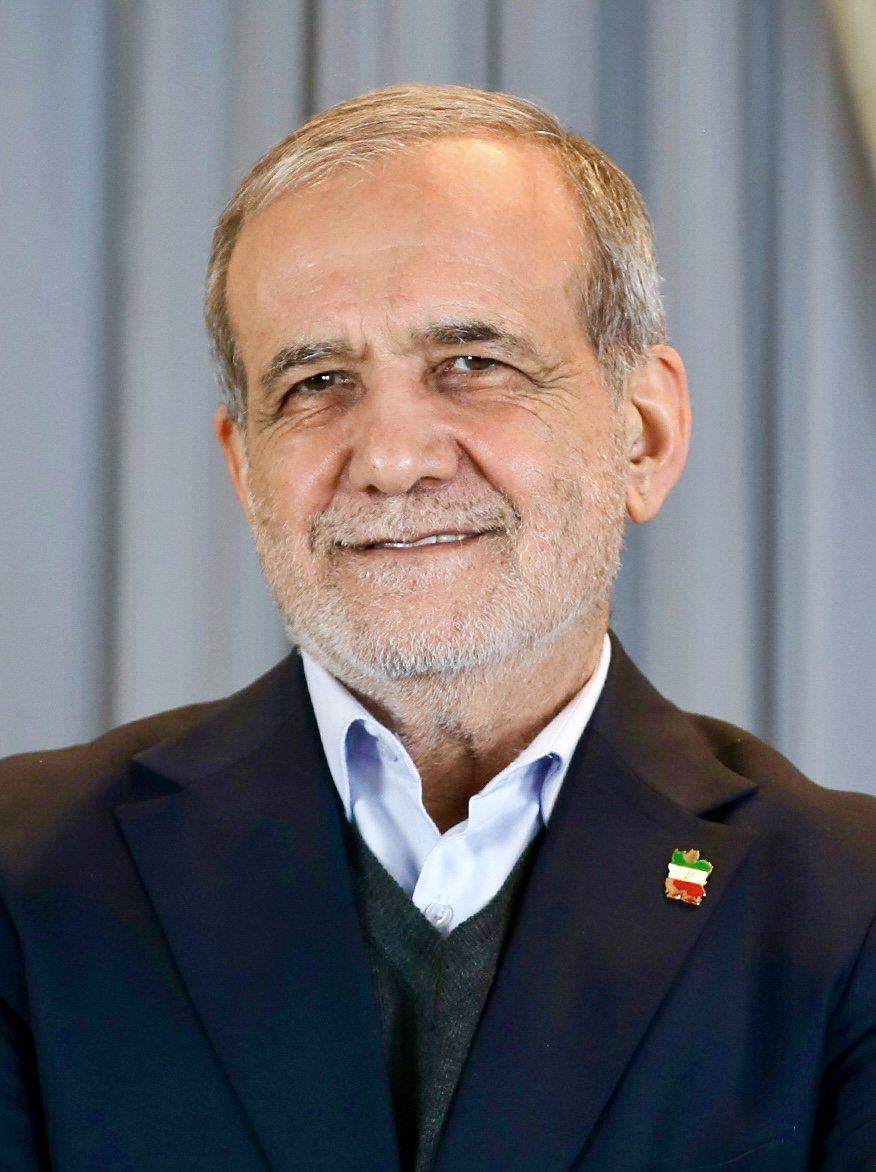
Iran’s President Masoud Pezeshkian told a cabinet meeting on Wednesday that the government would work with full capacity to realize objectives tied to the Leader’s directive to Secretary of the Supreme National Security Council Mohsen Rezaei. Pezeshkian referred to the directive as conveying "a great and important message" and stressed that all ministers, heads of executive bodies and their deputies are required to maintain full readiness while prioritizing management and cost reduction. PressTV said Pezeshkian described Iran as working to implement the directive of Leader of the Islamic Revolution Ayatollah Seyyed Mojtaba Khamenei to pursue the fulfillment of Tehran’s conditions for ending the US-Israeli-imposed war and terminating the “no war, no peace” situation.
Pezeshkian quoted Pezeshkian saying, “Our enemies must not think that increasing pressure and threats can weaken the resolve of the Iranian people and force the country to surrender.” Foreign Minister Abbas Araghchi told a cabinet meeting that a recent meeting between senior officials from the Islamic Republic, Saudi Arabia, Turkey and Pakistan in Tehran offered a “valuable opportunity” to advance dialogue on regional peace and security.