Full story
London coalition push
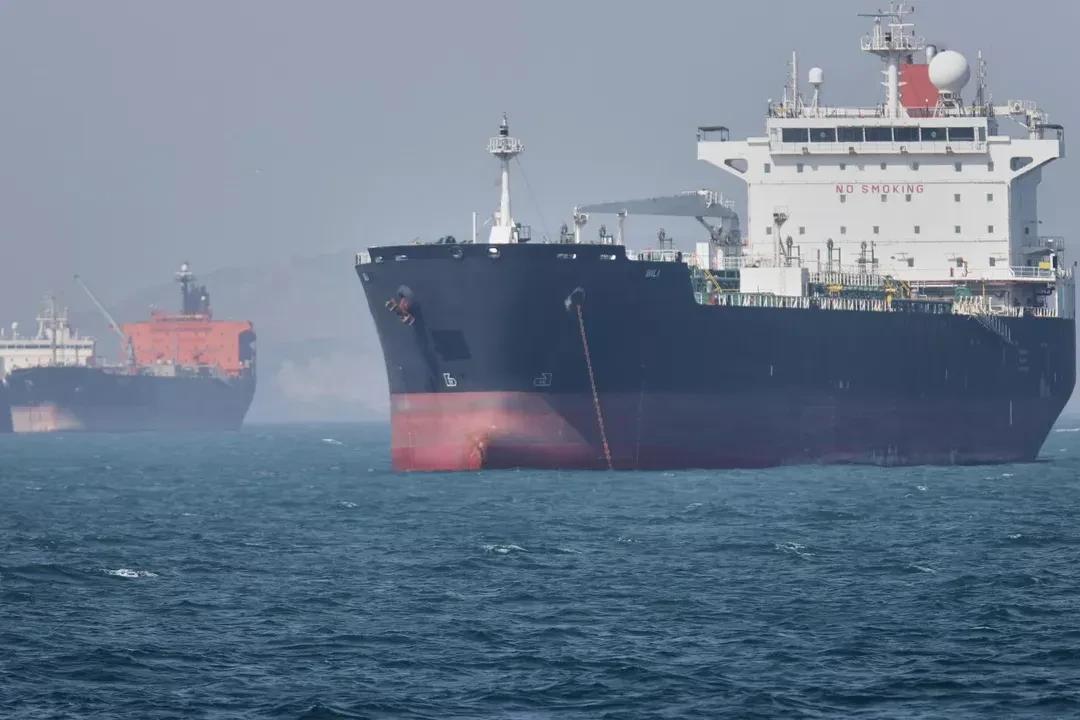
The United States and the United Kingdom are planning a high-level conference in London next week to discuss forming an international coalition to protect commercial shipping in the Strait of Hormuz, Axios reported Friday and a White House official confirmed to Axios.
“ANI |Updated:Jul 25, 2026 05:31IST Washington, DC [US], July 25 (ANI): The United States and the United Kingdom are planning a high-level meeting in London next week to form an international coalition to protect commercial shipping in the Strait of Hormuz, according to a report byAxios”
The proposed meeting could bring together defense ministers and senior military commanders from Western and regional countries, with U.S. Defense Secretary Pete Hegseth and Chairman of the Joint Chiefs of Staff Gen. Dan Caine among those who could attend, while the date and agenda have not been finalized.

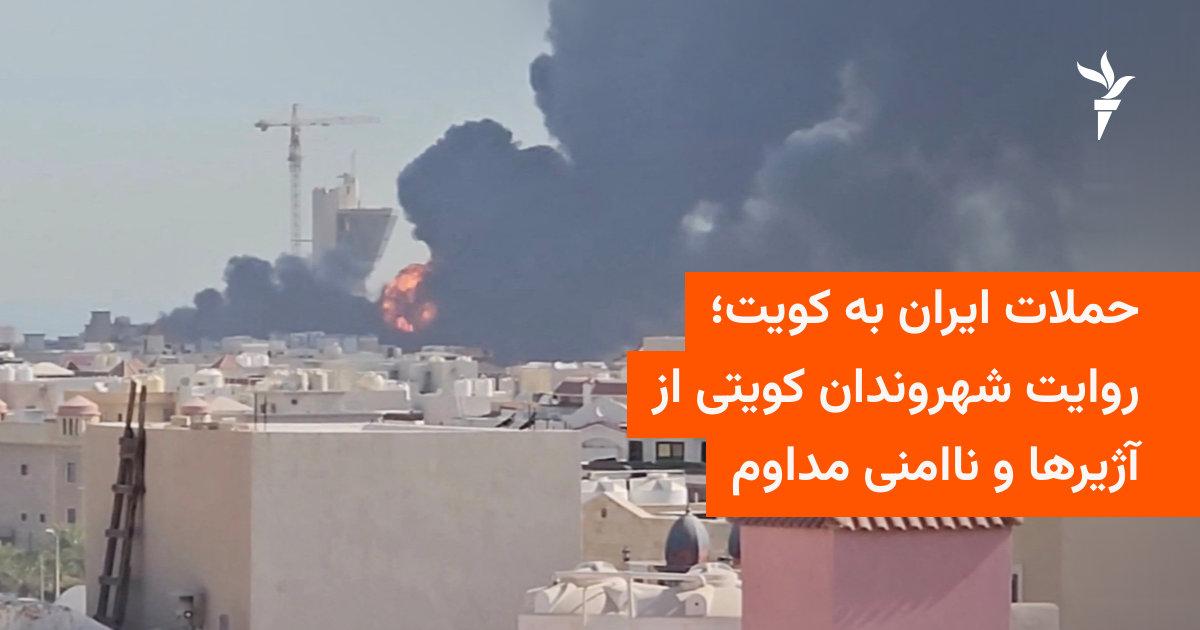
The push comes as the Strait of Hormuz has been largely shut to commercial shipping since late February, when Iran’s Islamic Revolutionary Guard Corps began attacking and mining vessels in retaliation for US-Israeli airstrikes.
In the same reporting, the United States wants allied nations to dispatch assets including minesweeping vessels, naval ships and drones to safeguard the waterway, and the conference is framed as part of Washington’s strategy for ending the war with Iran and stabilizing global energy markets.
A European diplomat told Axios, “The Americans are looking for a way out, and they want our help,” as the conference is positioned as a practical step toward reopening the strait to commercial traffic.
Strikes, threats, and talks
The conference planning is occurring alongside ongoing U.S. strikes on Iranian targets along the southern coast, with the Türkiye Today report saying the United States has conducted daily strikes after Iran began attacking vessels in the Strait of Hormuz about two weeks ago.
That same report says no Iranian attacks on commercial ships have been reported over the past four days, while other officials cited by Axios maintain that Tehran still has the ability to attack vessels in the area.
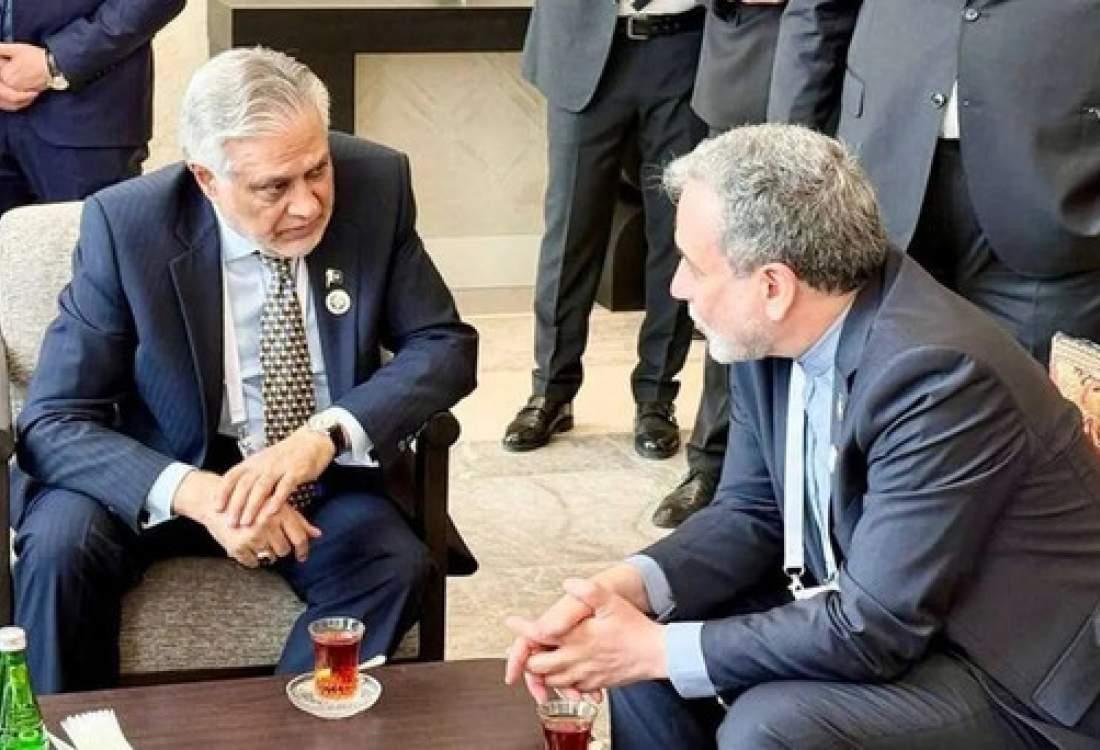
Iran’s Foreign Minister Abbas Araghchi said Iran “will not submit to U.S. bullying,” and the Türkiye Today report says Tehran called Trump’s July 23 announcement about using approximately $24 billion in frozen Iranian assets to compensate shipping damage an “incendiary precedent.”
The diplomatic track described in the reporting includes an Omani delegation arriving in Tehran on Friday to resume negotiations, and Araghchi speaking by phone with his Omani counterpart Badr Albusaidi specifically on “the security of maritime navigation and the passage of commercial vessels,” Axios reported.
In parallel, President Donald Trump threatened to strike bridges and power plants, including facilities in Tehran, if Iran resumed attacks on ships, and the Türkiye Today report quotes the escalation as following the collapse of talks involving Oman, Iran and Qatar over a new arrangement for the Strait of Hormuz.
Conditions for participation
Multiple countries are conditioning their participation on a cessation of hostilities in and around the Strait of Hormuz, with the Türkiye Today report citing that fighting must end before conditions would be safe enough for them to join a maritime mission.
The same reporting says the escalation followed the collapse of talks involving Oman, Iran and Qatar, and that shortly after the talks ended without an agreement, Iranian Foreign Minister Abbas Araghchi returned to Tehran for consultations and the IRGC began firing at ships in the strait.
In the Tech Times account, the Oman-mediated backchannel is described as an Omani delegation arriving in Tehran on Friday for renewed talks, and it adds that the Hormuz central channel must be cleared of “more than 80 naval mines” the IRGC laid after February 28 before any escort operation can begin.
The Tech Times report also states that Pentagon officials have estimated full clearance using three dedicated minesweepers could take up to six months, while it frames autonomous mine-hunting systems as the primary answer to accelerating that timeline.
As the conference is being planned, the Tech Times report emphasizes that the political feasibility of the coalition hinges on a ceasefire condition, noting that France, Germany, and Italy said on March 20 they would consider military engagement only after a ceasefire—“not before one,” according to CEPA’s analysis.