Full story
Strikes and Strait Fees
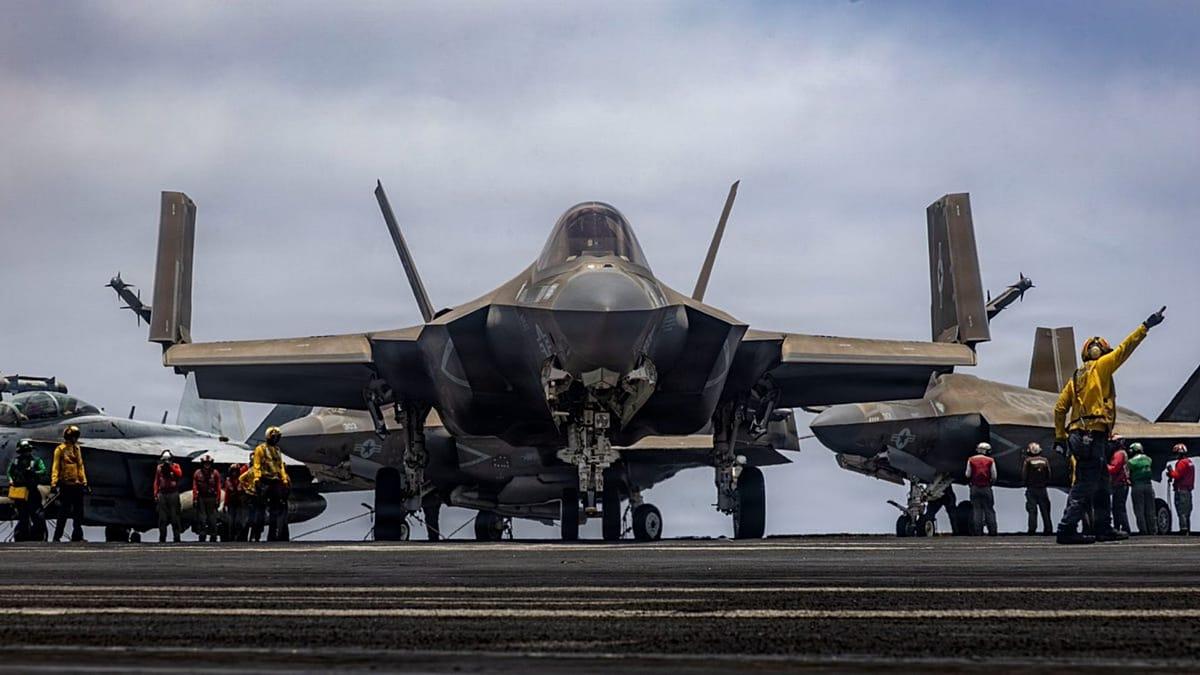
The U.S. began a new round of strikes on Iran on Monday, hours after President Donald Trump said Washington was “reinstating” a blockade on Iran in the Strait of Hormuz and, in a policy reversal, would charge other ships for safe passage.
AP reported that U.S. Central Command said the strikes would “continue imposing a heavy cost on Iranian forces and degrade their ability to attack innocent civilians and commercial shipping in the Strait of Hormuz.”

The dispute over the waterway intensified as Iran insisted it controls the Strait of Hormuz and as the new exchange of fire threatened a return to all-out war.
The Guardian reported that at 4.45pm ET U.S. Central Command said it had begun a third consecutive night of strikes against Iran at Donald Trump’s direction, and it quoted Centcom again saying the attacks would “continue imposing a heavy cost on Iranian forces and degrade their ability to attack innocent civilians and commercial shipping in the Strait of Hormuz.”
Iranian and U.S. Responses
Iran’s Foreign Minister Abbas Araghchi mocked Trump’s plan to charge for passage, writing on X, “POTUS is absolutely right. Whoever provides secure and safe passage of commercial vessels through the Strait of Hormuz should be compensated for this service,” and adding that “Iran has always been the GUARDIAN of the Strait and will remain so FOREVER.”
AP also reported that the International Maritime Organization said it was waiting to find out more about Trump’s proposal but remained opposed to tolls, stating, “There is no legal basis through which to introduce mandatory tolls simply to transit through a strait.”

In parallel, the BBC reported that Trump told Hugh Hewitt the U.S. would strike Iran hard “tonight and tomorrow,” and it said the U.S. announced the third night of air strikes against Iran directed by President Donald Trump.
The BBC further reported that Iranian Fars News Agency said it heard explosions on islands including Kish and Qeshm and Abu Musa Island, and that Tasnim News Agency reported intense explosions in the city of Konarak near midnight Monday Tehran time.
Blockade, Negotiations, and Risks
The U.S. said it would resume its blockade of Iranian ports Tuesday at 4 p.m. EDT, and AP reported that Trump said the U.S. would be “reimbursed” by 20% of the value of cargo to cover “any and all costs necessary” for providing safety and security.
The BBC reported that Trump said the United States would reimpose the blockade on Iran and levy a 20 percent fee on all goods shipped through the Strait of Hormuz after Tehran announced it would close the waterway, and it quoted Trump writing on Truth Social that the Hormuz Strait is open and will remain open “whether with Iran or without it.”
Iran’s response included a claim that the memorandum of understanding had entered a crisis phase, with Euronews reporting that Esmaeil Bagheri said the United States violated the memorandum and that Iran would not implement obligations “as long as Washington continued to violate it.”
Euronews also reported that Bagheri said Iran has the right to take whatever measures it deems appropriate in the Strait of Hormuz and stressed that the United States and Israel cannot be allowed to control the strait, while the BBC said the nuclear facilities beneath the mountains in Iran would be eliminated as part of the renewed strikes.