South America31 October, 20252 min read
U.S. Deploys Military Forces Preparing to Attack Venezuela, Lula Warns of Imminent Invasion
This article is an automated aggregation of coverage from news outlets. Our editorials offer in-depth analysis curated by the NewsCord team.
U.S. has deployed significant military forces in the Caribbean near Venezuela. Brazilian President Lula proposed mediation to prevent a potential U.S. attack on Venezuela.

5 outlets told this the same way.
Outlets did split on Brazil Police Kill Suspect After 13 Kindergarteners Held Hostage In Curitiba →
Venezuela Regional Tensions
Regional tensions over Venezuela have spiked amid what O Globo describes as a significant U.S. military deployment to the Caribbean and Brazil. This deployment includes the Ford aircraft carrier, destroyers, a submarine, F-35B fighters, P-8 patrol planes, and thousands of soldiers and marines. Analysts in Caracas fear this buildup signals a potential attack.
“The article reports on a significant U.S. military deployment to the Caribbean and Brazil, including assets such as the Ford aircraft carrier, destroyers, a submarine, F-35B fighters, P-8 patrol planes, and thousands of soldiers and marines.”
At the same time, CNN Brasil reports that under former President Trump, the U.S. targeted Venezuelan drug traffickers and authorized the CIA to conduct covert operations in Venezuela. However, Trump stated he is not considering military attacks inside the country.

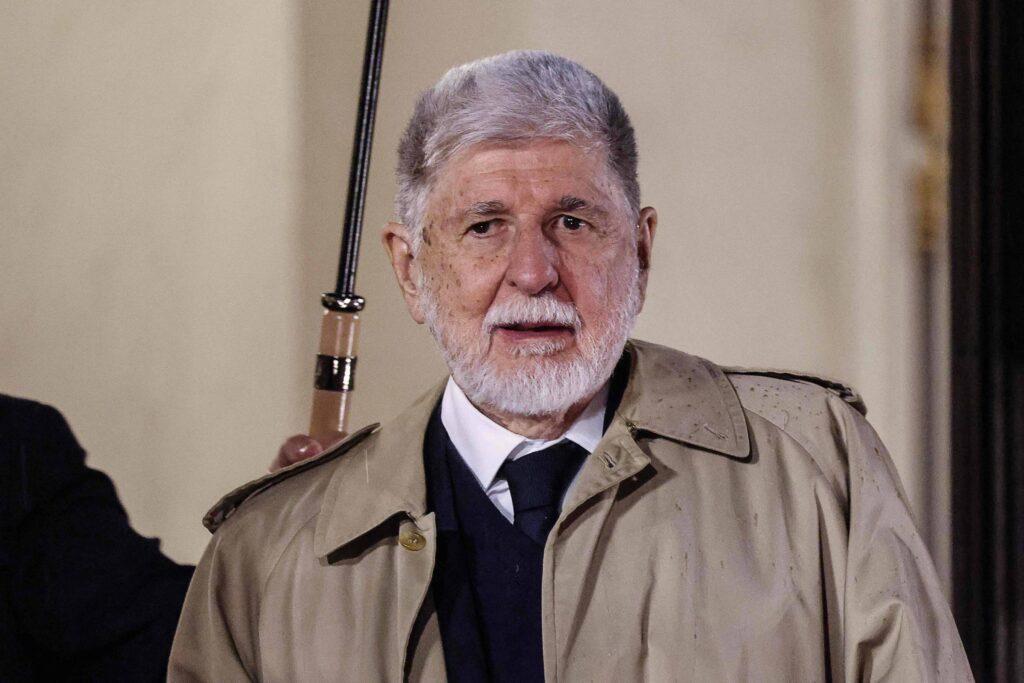
On the regional diplomatic front, politizabrasil.br reports that Brazil—via President Lula’s special advisor Celso Amorim—offered to mediate the crisis despite the United States’ rejection of the proposal. Amorim warned that the ongoing crisis could negatively impact all of South America.
Venezuela Political Tensions
Venezuelan President Nicolás Maduro, accused by the U.S. of drug trafficking and corruption, claims Washington seeks regime change. Maduro vows that the Venezuelan people and military will resist these efforts. He was sworn in for a controversial third term amid international doubts about the legitimacy of the 2024 election.
O Globo focuses less on Maduro and more on U.S. decision-making, suggesting that the choice to act rests with former President Trump. This framing amplifies anxiety sparked by the visible military build-up.
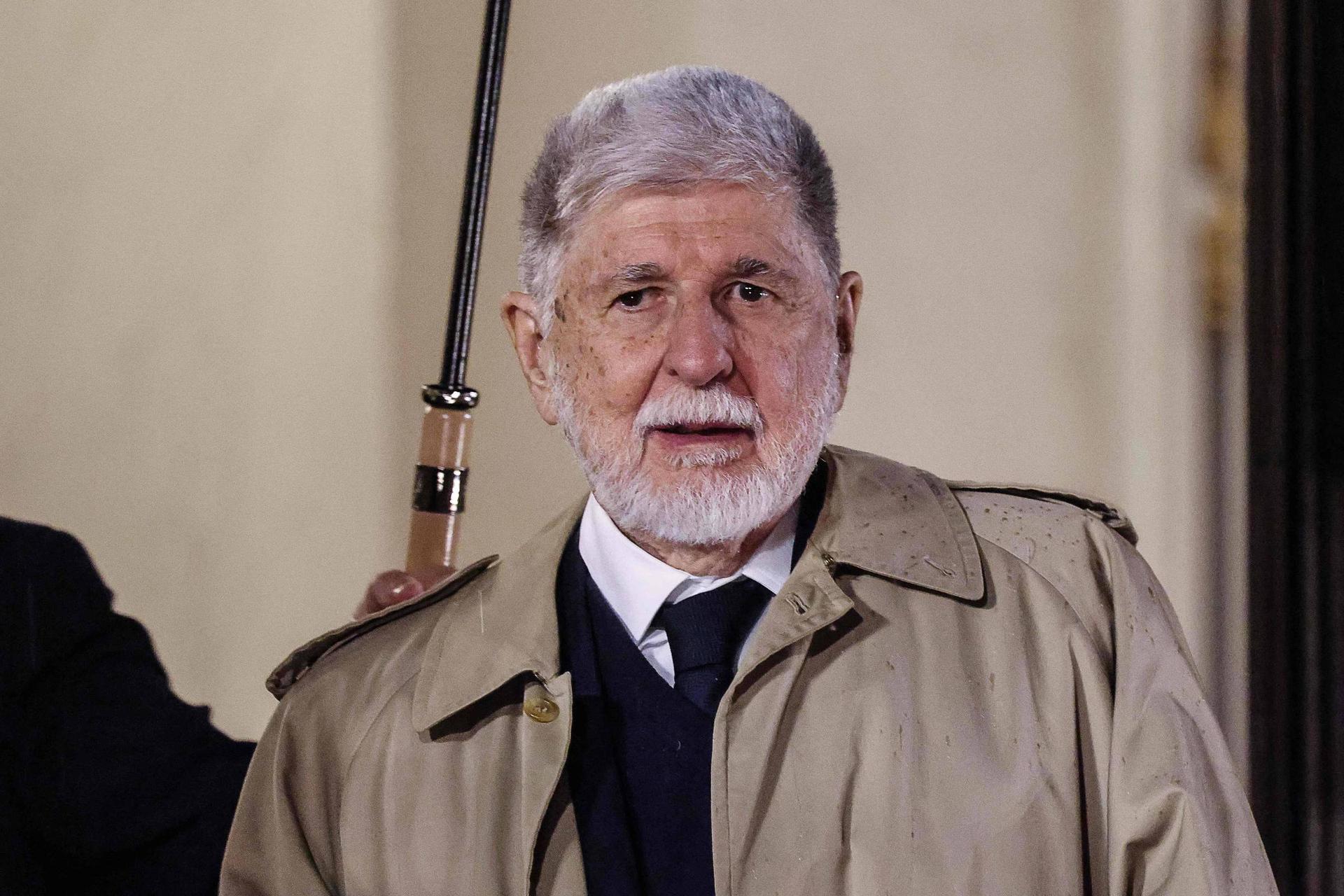
In contrast, politizabrasil.br highlights Brazil’s attempt to broker talks and stresses that Brazil does not intend to dictate U.S. actions but aims to offer help. Brazil recalls its prior facilitation of peaceful negotiations in Venezuela as part of its approach.
Venezuela Crisis and Regional Impact
Inside Venezuela’s opposition landscape, CNN Brasil reports that the heightened U.S. presence has deepened divisions. A faction led by María Corina Machado aligns closely with Trump and views Maduro as a direct threat to U.S. national security. O Globo underscores how the sheer scale of forces—aircraft carrier strike group, F-35Bs, P-8s, and thousands of personnel—fuels fears in Caracas of a strike.
“The increased U.S. military presence in the region has led to divisions among Venezuela's main opposition groups, with one faction led by María Corina Machado aligning closely with Trump and viewing Maduro as a direct threat to U.S. national security.”
O Globo also notes that Lula has responded as best as he could under the circumstances. Politizabrasil.br adds that Brazil’s mediation bid was rebuffed by Washington. Celso Amorim warned the crisis could reverberate across South America, signaling concerns over broader regional destabilization.
US and Regional Venezuela Strategy
Amid these competing signals—overt U.S. force projection, covert-authorized operations, and diplomacy—the strategic picture remains ambiguous. O Globo reports a deployment scale that suggests capacity to strike and notes analysts’ fears, while asserting the decision to act rests with Trump. CNN Brasil, however, quotes Trump as not considering military attacks inside Venezuela even as it details CIA authorization and a campaign targeting traffickers.
Politizabrasil.br stresses Brazil’s non-impositional mediation offer and broader aims of multipolar stability, even pointing to optimism about the Mercosur–EU agreement as part of a more multipolar response to fragmentation. Together, these accounts depict a high-stakes standoff where invasion fears coexist with denials of an attack and diplomatic overtures that Washington has reportedly rejected.