Full story
Strikes, blockade, Kharg
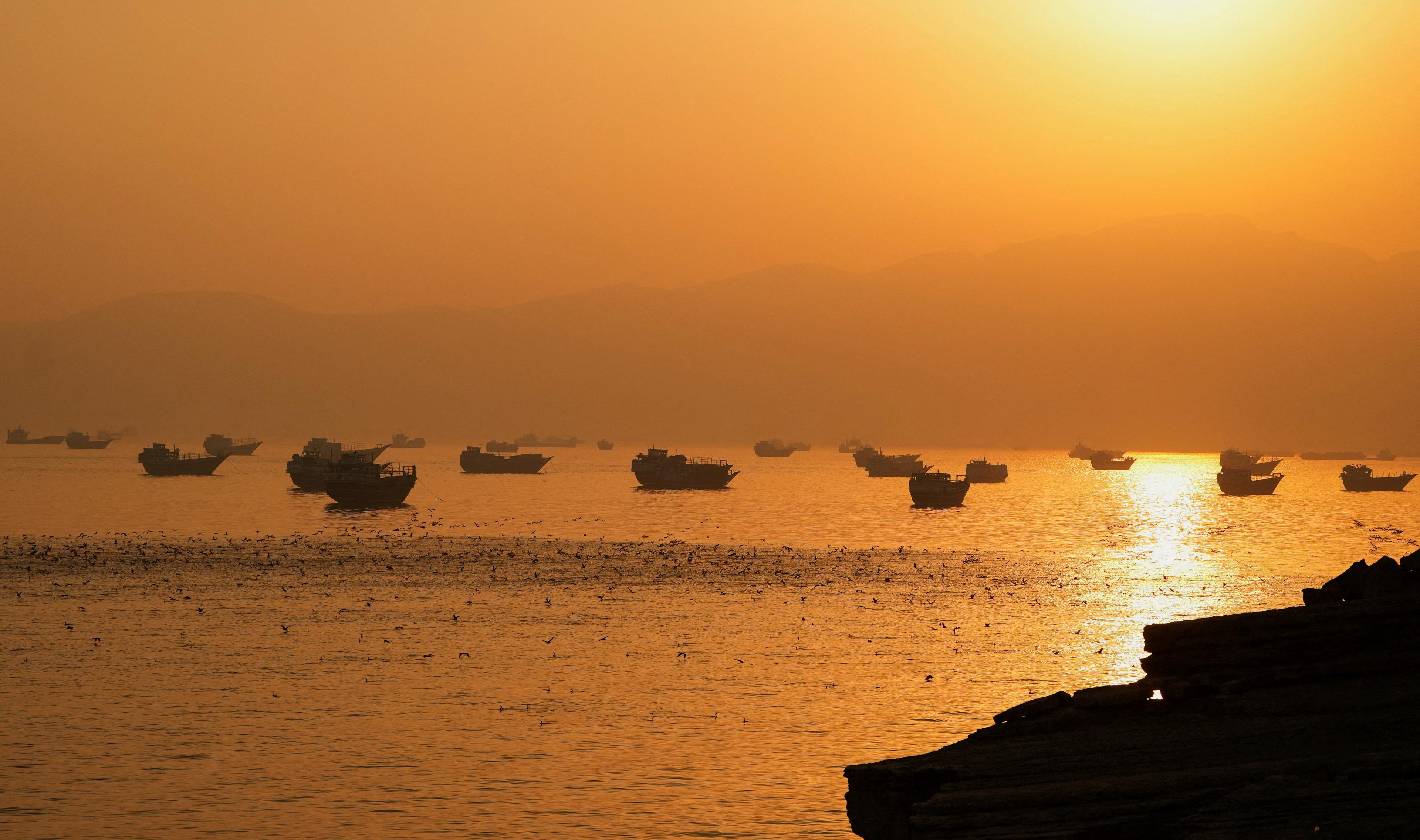
The United States disabled a Curacao-flagged oil tanker, the M/T Belma, after it allegedly tried to evade the U.S. blockade of Iranian ports and was transiting international waters toward Kharg Island, with U.S. Central Command saying an aircraft disabled the vessel after firing hellfire missiles into the ship's smokestack.
CBS News reported that the U.S. launched two back-to-back waves of strikes against Iran on Wednesday, marking the fifth day of attacks as both countries angle to control the Strait of Hormuz.

Al Jazeera said the United States completed a 90-minute round of strikes at 7:30am Washington, DC time (11:30 GMT), striking what it said were military targets along Iran’s southern coast and near the Strait of Hormuz.
Al Jazeera added that Iranian government spokesperson Fatemeh Mohajerani said more than 30 civilians had been killed in recent U.S. attacks across southern Iran, while Hossein Kermanpour said more than 260 people had been injured in the latest U.S. attacks.
In the same reporting, Al Jazeera said the U.S. resumption of its naval blockade of Iranian ports coincided with oil prices climbing amid concerns over disruptions to global energy supplies.
Competing claims and rhetoric
Vice President JD Vance told Joe Rogan that he was "very frustrated" by people arguing "You cannot negotiate with the Iranians," and he framed the issue as whether the U.S. is willing to talk to stop attacks on ships in the Strait of Hormuz.
CBS News quoted Vance saying, "It's completely made up, and it was done purely in order to politically tank the negotiation," as he pushed back on claims that a U.S.-Iran memorandum of understanding would give Iran sanctions relief.

Al Jazeera reported that Iran’s Islamic Revolutionary Guard Corps claimed it launched overnight attacks on U.S. military assets in Bahrain, Kuwait and Jordan in response to the latest U.S. strikes.
Al Jazeera said Jordan’s military reported that its air defences intercepted and shot down three Iranian ballistic missiles that entered the country’s airspace early on Wednesday.
In the same Al Jazeera account, Trump said on Tuesday that attacks on Iran "will continue until I say enough," and he told Fox News that potential future targets could include power plants and bridges.
What comes next
The Guardian reported that U.S. Central Command completed an additional round of strikes at 10pm ET on 14 July, hitting dozens of military targets near the Strait of Hormuz and Iranian coastal areas during a seven-hour wave.
“The United States has launched another wave of attacks on Iran, striking what it said were military targets along the country’s southern coast and near the Strait of Hormuz, while Tehran claimed fresh attacks on US military facilities across the region as a fragile ceasefire comes under growing strain”
The Guardian said Centcom described the strikes as precision munitions aimed to further degrade Iran’s ability to threaten commercial shipping and civilian crews, while Iran’s revolutionary guards warned that the strait of Hormuz would remain closed until the “end of America’s evils”.
BBC reported that Iran’s Foreign Ministry said a ceasefire with the United States had become "practically meaningless" in practice after the attacks.
BBC also said the Persian Gulf Strait Authority posted that, "Because of the tensions arising from the aggression of American forces in the region... the Strait of Hormuz will remain closed until further notice."
With the blockade and strikes continuing, the Guardian reported that the U.S. reimposed a naval blockade to prevent ships from sailing to or from Iran’s ports and that Trump warned, "Next week it gets really bad for them because next week comes the power plants."