USA03 January, 20262 min read
U.S. Forces Capture Nicolás Maduro, Transfer To USS Iwo Jima For Extradition To New York
This article is an automated aggregation of coverage from news outlets. Our editorials offer in-depth analysis curated by the NewsCord team.
U.S. conducted a strike and captured Maduro. Indicted in New York on narcoterrorism and drug charges.

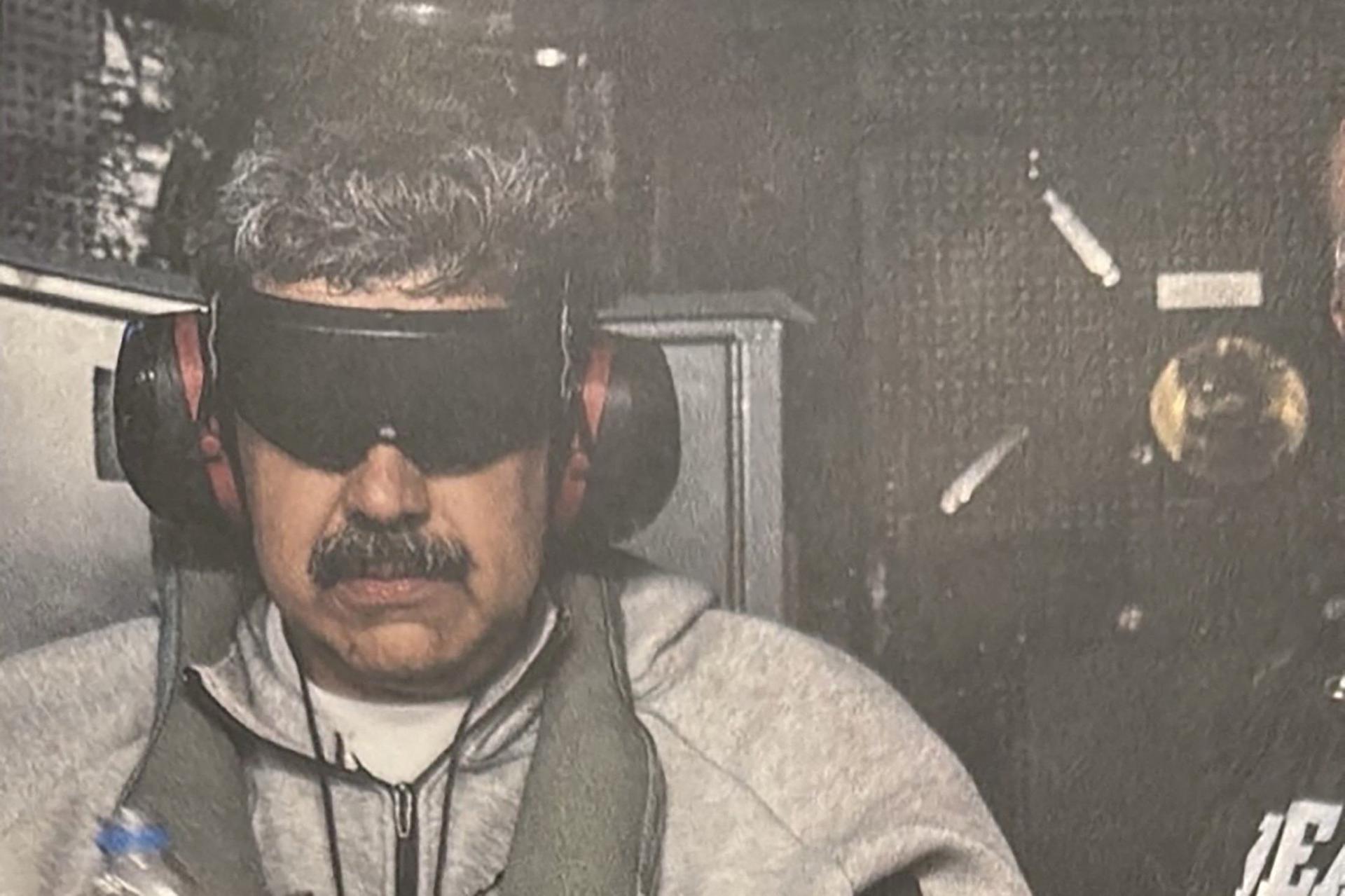
Maduro captured, aboard Iwo Jima
The capture of Nicolás Maduro and his wife and their transfer to the USS Iwo Jima en route to New York marks a dramatic escalation. The charges allegedly involve narcoterrorism and drug-trafficking, according to U.S. officials and multiple outlets. Atlantic Council portrays this as the start of direct U.S. engagement in Venezuela, with a team designated to run the country until a 'safe and judicious transition' and elections within 30 days.
“The extraordinary attack follows months of pressure from the Trump Administration on Maduro to cede power in the South American country over long-standing accusations of drug trafficking and election rigging. Maduro and his wife were moved to the USS Iwo Jima en route to New York City to face criminal charges.”
Brookings highlights questions about presidential war powers and potential international-law clashes, implying the act tests constitutional boundaries. The operation follows overnight strikes in Caracas, signaling a pivot from pressure to regime-change.

Legal questions on presidential authority
Brookings emphasizes presidential war powers and potential international-law limits. Brookings notes the War Powers Resolution time constraints could apply if the operation extends. Atlantic Council frames this as a regime-change effort with a plan for a dangerous transition.
PBS highlights serious questions about legality in the context of a broader campaign. NPR underscores the broader legal questions and regional implications.
Global reactions and positions
Russia and China condemned the action as violating sovereignty and international law. The United Nations expressed alarm about the escalation and potential regional consequences.
“Russia accused the US of committing an 'armed aggression'. China described the action as violating international law and Venezuela’s sovereignty. UK Prime Minister Keir Starmer said he would wait to establish the facts.”
Latin American leaders expressed mixed but largely critical reactions, with some allies signaling support and others condemnation. U.S. domestic lawmakers framed the move as illegal regime-change and raised constitutional concerns.
Implications for transition in Venezuela
Atlantic Council asserts Maduro’s ouster triggers elections within 30 days, with a transition overseen by a U.S.-backed structure and a constitutional constraint on the successor. Brookings notes Venezuela’s brutal economic collapse and the need for a comprehensive IMF-supported stabilization package of over $50 billion over 18–24 months.
Time frames and political language in Western reporting frame this as a new phase of direct U.S. engagement, with control over governance during a transition and potential access to oil resources. PBS emphasizes the oil-divestment and export potential, suggesting the United States could leverage Venezuela’s oil reserves as part of the transition.

Next steps and risks
The move is viewed by some as a dangerous precedent that could redefine U.S. power projection in the region. Domestic U.S. lawmakers warn of constitutional overreach and the risks of indefinite involvement without clear authorization.
“This operation marks the biggest escalation to date of Trump’s maximum pressure campaign against Venezuela.”
Regional observers fear destabilization and heightened energy-market volatility in West Asia and Latin America. Analysts warn that further intervention could provoke new legal challenges and diplomatic strains with allies.
