Gaza Genocideupdated 36m ago3 min read
Judiciary Dismisses Complaint Against Ambassador Nada Hamadeh Moawad Over Contact With Israeli Envoy
This article is an automated aggregation of coverage from news outlets. Our editorials offer in-depth analysis curated by the NewsCord team.
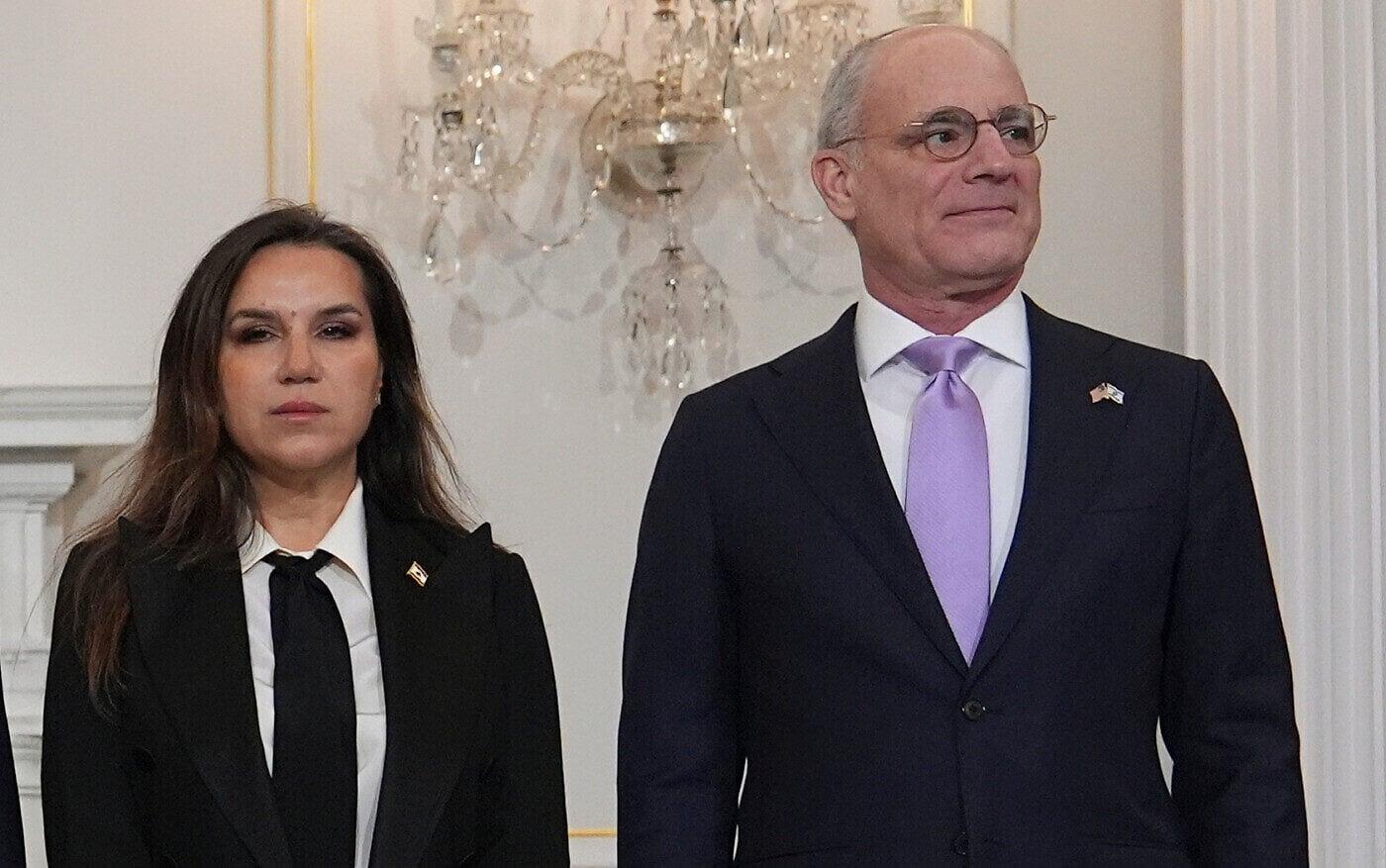
Moawad faced a legal complaint for reportedly contacting Israeli ambassador about his wounded son. The complaint was dismissed by State Commissioner to the Military Court Claude Ghanem.
Complaint targets Moawad
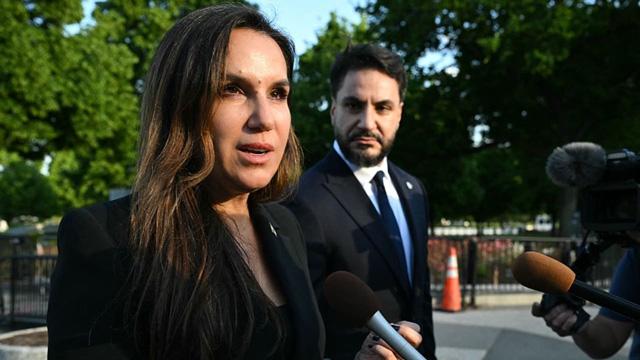
Lebanese Ambassador to the U.S. Nada Hamadeh Moawad faced a judicial complaint after a pro-Hezbollah lawyer, Hassan Bazzi, filed it over unconfirmed reports that Moawad contacted Israeli Ambassador to the U.S. Yechiel Leiter to inquire about his son’s health following a Palestinian car ramming attack in the occupied West Bank.
State Commissioner to the Military Court Judge Claude Ghanem dismissed the complaint filed by Bazzi, according to MTV, after the military court considered the case.
The complaint and its handling unfolded against a backdrop in which Lebanon’s boycott law, adopted in 1955, prohibits direct and indirect dealings with Israeli individuals or entities, including commercial, financial, and cultural institutions.
The dispute also fed into Washington’s criticism of the military judiciary’s focus, with a U.S. Department of State spokesperson telling Al-Arabiya television that it was disappointing that a military court was considering a complaint against the Lebanese ambassador in Washington for carrying out the policy of her government and participating in U.S.-led negotiations.
The U.S. spokesperson argued that Lebanon’s military judiciary should employ its limited resources to prosecute Hezbollah members who “conspire against the government and people of Lebanon, rather than prosecuting those working on their behalf.”
Washington calls it obstruction
A U.S. Department of State spokesperson said Washington was aware of the complaint filed by Hassan Bazzi and criticized the military court for considering it while Moawad was implementing her government’s policy and participating in U.S.-led negotiations.
The spokesperson told Al-Arabiya television that it was disappointing that a military court was handling a complaint against the Lebanese ambassador in Washington simply because she was carrying out the policy of her legitimate government and engaging in U.S.-led negotiations.
The spokesperson emphasized that the Lebanese military judiciary should use its limited resources to prosecute Hezbollah members who “conspire against the government and people of Lebanon, rather than prosecuting those working on their behalf,” and the spokesperson also stressed that laws and practices enabling “politicized targeting” while providing “systematic protection” for Hezbollah members must be repealed.
The Times of Israel reported that the U.S. State Department was weighing sanctions on Lebanese judges involved in handling the complaint, and a U.S. official familiar with the matter said it was undecided whether punitive measures would be imposed only if the complaint was not dismissed or whether merely considering the case could trigger them.
The Times of Israel quoted the State Department statement saying, “We have no patience for obstruction,” as Washington warned against the military judiciary supporting those working on Hezbollah’s “behalf.”
Diplomacy and security stakes
The complaint arose after a September report by Beirut Review alleged that Moawad had contacted Leiter to ask about his son’s condition, and the accounts said Lebanon’s attorney-general referred the complaint to the government commissioner at the military court, Judge Claude Ghanem, for review and to take appropriate legal measures. The dispute intersected with U.S.-brokered Lebanese-Israeli diplomatic talks, because Moawad and Leiter had participated in several rounds of Lebanese-Israeli diplomatic talks since June, the first between the two sides since 1983. The supplied accounts said the complaint raised concerns that legal action could discourage officials involved in diplomatic negotiations between Lebanon and Israel, potentially complicating efforts to address tensions between the two countries.
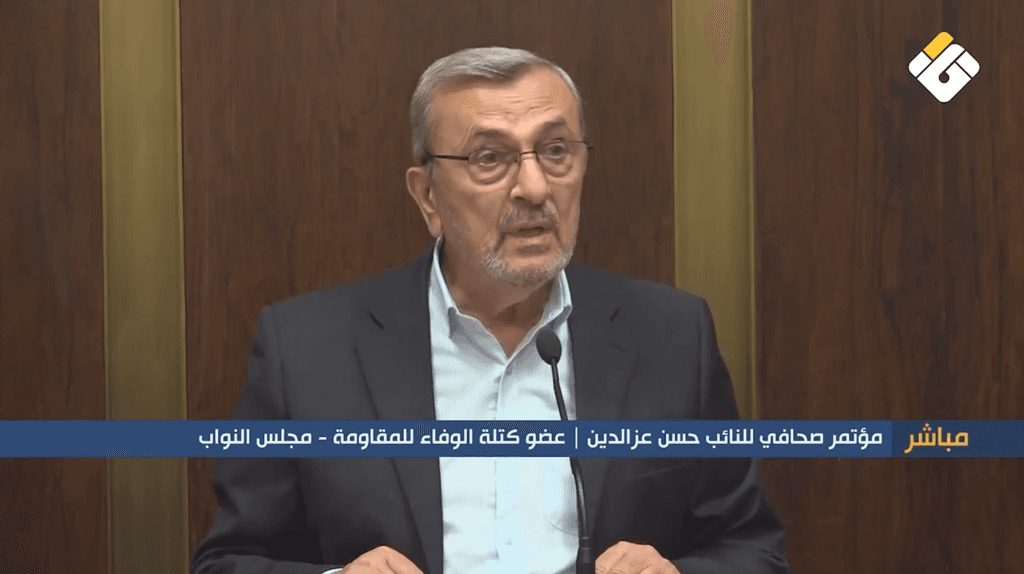
The accounts also placed the episode within a wider security picture in which Lebanese authorities reported intercepting a shipment of explosives allegedly smuggled by two suspects affiliated with Hezbollah in a truck travelling from eastern Lebanon towards Beirut’s southern suburbs. The Lebanese authorities’ negotiation context was framed by a ceasefire announced on April 17, followed by Israeli violations involving dozens of attacks in southern Lebanon, while Hezbollah’s Loyalty to Resistance MP Hassan Ezzeddine blamed Lebanese authorities for failing to provide foreign missions with documents on Israeli crimes committed in Lebanon, saying there was “blatant official deficiency and negligence, as well as dereliction of duty.”