Full story
Blockade and strikes resume
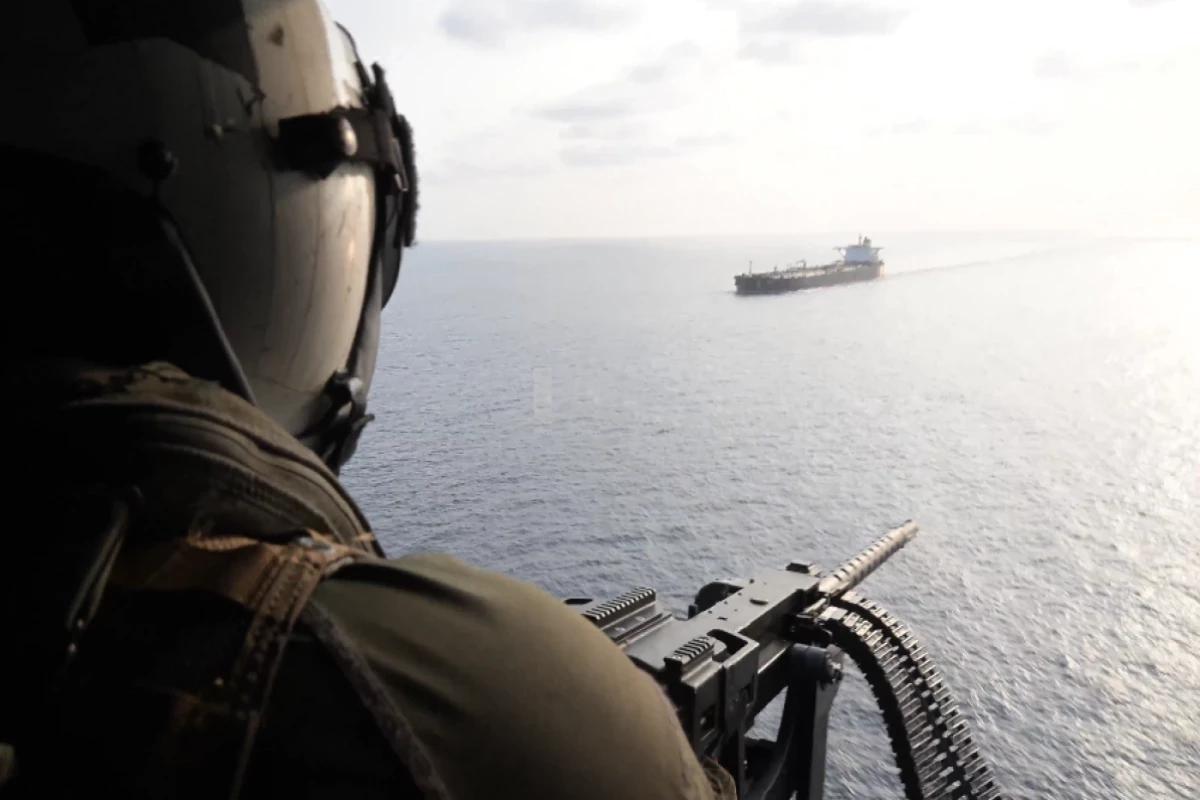
The United States launched more strikes against Iran as it reimposed a blockade of all Iranian ports, with the military effort to "continue degrading Iranian capabilities used to attack commercial shipping" beginning at 3 p.m. ET and the blockade starting an hour later, according to US Central Command.
CNN reported the blockade resumed at 4 p.m. ET and said the US military also launched its fourth consecutive day of strikes on Iranian targets, with Iranian state media reporting explosions in Bandar Abbas and several locations near Sirik.

The US military said it was striking in response to Iranian attacks on commercial ships in the Strait of Hormuz, and AP said the blockade restart came hours after President Donald Trump said Washington is "reinstating" a blockade on Iran in the Strait of Hormuz.
In the hour leading up to the blockade, CENTCOM said the US launched another wave of strikes to "continue degrading Iranian capabilities used to attack commercial shipping in the Strait of Hormuz," as the standoff over the waterway intensified.
NPR said the US restarted its maritime blockade at 4 p.m. ET, quoting CENTCOM that "There are currently more than 20 U.S. Navy warships and hundreds of military aircraft operating across the Middle East."
Trump’s threats and Iran’s reply
President Donald Trump warned the US would strike Iranian bridges and power plants next week unless Tehran returns to the negotiating table, and CNN said Trump also told the US strikes on Iran will "continue until I say it’s enough."
In the same CNN account, Iran’s deputy foreign minister Kazem Gharibabadi said Tehran has "no obligations" to the 14-point agreement with the US that was reached last month.
AP reported that Trump suggested later he wasn’t interested in continuing negotiations immediately with Iran because "they lie," while also warning Iran: "You better make a deal, or you’re not going to have anything left."
NPR quoted CENTCOM’s statement that US forces were "resumed the naval blockade against vessels transiting to and from Iranian ports and coastal areas today at 4 p.m. ET," as Iran continued striking US allies and partners in the region.
The BBC said Trump reversed his threat of a 20% fee on Strait of Hormuz cargo shipping, writing that he had decided to replace the 20% United States Reimbursement Fee with "Trade and Investment Deals that the various Gulf States will be making into the United States."
What’s at stake next
The renewed blockade and strikes leave the interim ceasefire framework in tatters, with AP saying the actions leave the deal to pause the conflict and reopen the key waterway in tatters as fighting once again engulfs the region.
France 24 said the interim peace agreement was supposed to reopen a waterway key to world energy supplies and give negotiators time for a permanent end to the war, but instead fighting has returned and threatened the global economy.
CBS News said Trump told Fox News the US plans to hit Iranian bridges and power plants next week if Iran doesn't cut a deal, quoting him that "next week comes the power plants, next week comes the bridges."
The BBC reported that the US first imposed a naval blockade in April and lifted it in June as part of a memorandum of understanding, but a dispute over the strait became the key point of contention again.
NPR framed the escalation as a return to blockade amid the Strait of Hormuz standoff, quoting CENTCOM that American forces remain "lethal, and ready" as the deadlock over the waterway disrupts global trade and increases fuel prices around the world.