Full story
Strikes, blockade, and Hormuz
The United States launched a third wave of airstrikes on Iran in 24 hours, with CENTCOM saying the strikes targeted Iranian military capabilities used to threaten vessels freely transiting through the Strait of Hormuz.
CNN reported Tehran said the overnight attacks killed at least seven military personnel in the southeast of Iran, while NBC News said the strikes hit an Iranian army barracks and killed at least seven troops and wounded hundreds of people across the country.
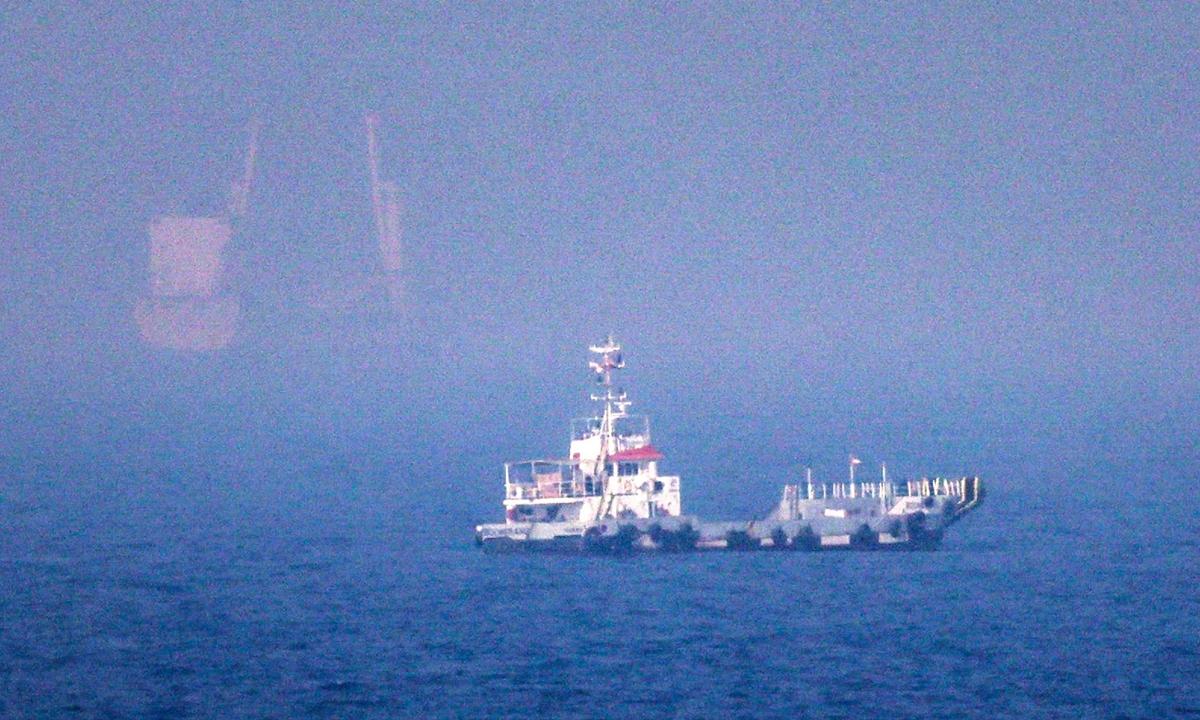
The U.S. military also reinstated its naval blockade of ships going to and from Iranian ports, and CENTCOM said it had “redirected” two commercial vessels since reimposing the blockade.
In the same escalation, explosions were heard in Iran’s port city of Bandar Abbas and in the southern cities of Ahvaz and Chabahar, according to CNN citing Iranian media outlets.
NBC News said the interim deal to pause the fighting and set a 60-day period for negotiations over issues such as Iran’s nuclear program has been shredded as fighting over the Strait of Hormuz intensified.
Iran’s stance and Trump’s threats
Iran’s Foreign Ministry spokesperson told CNN that Iran currently has no plans for negotiations and would not adhere to any agreement if the U.S. “breaches its obligations.”
Trump renewed his threat to bomb Iranian civilian infrastructure unless Tehran returns to the negotiating table, and CNN reported the U.S. disabled an empty oil tanker after firing hellfire missiles into the ship’s smokestack.

In a Fox Business exchange, Trump said, “Yeah, it does. We will see what's happening”, when asked whether he might wipe out Iran’s paramilitary, the Islamic Revolutionary Guard Corps, if they can reach a deal.
The Guardian reported Iran’s deputy foreign minister Kazem Gharibabadi said the U.S. decision to renew the blockade “has, in a way, dismantled the Islamabad memorandum.”
NBC News said Iran’s parliament speaker and lead negotiator Mohammad Bagher Qalibaf warned Iran was prepared for a fuller military confrontation if the U.S. does not live up to the terms of the interim deal.
What’s at risk next
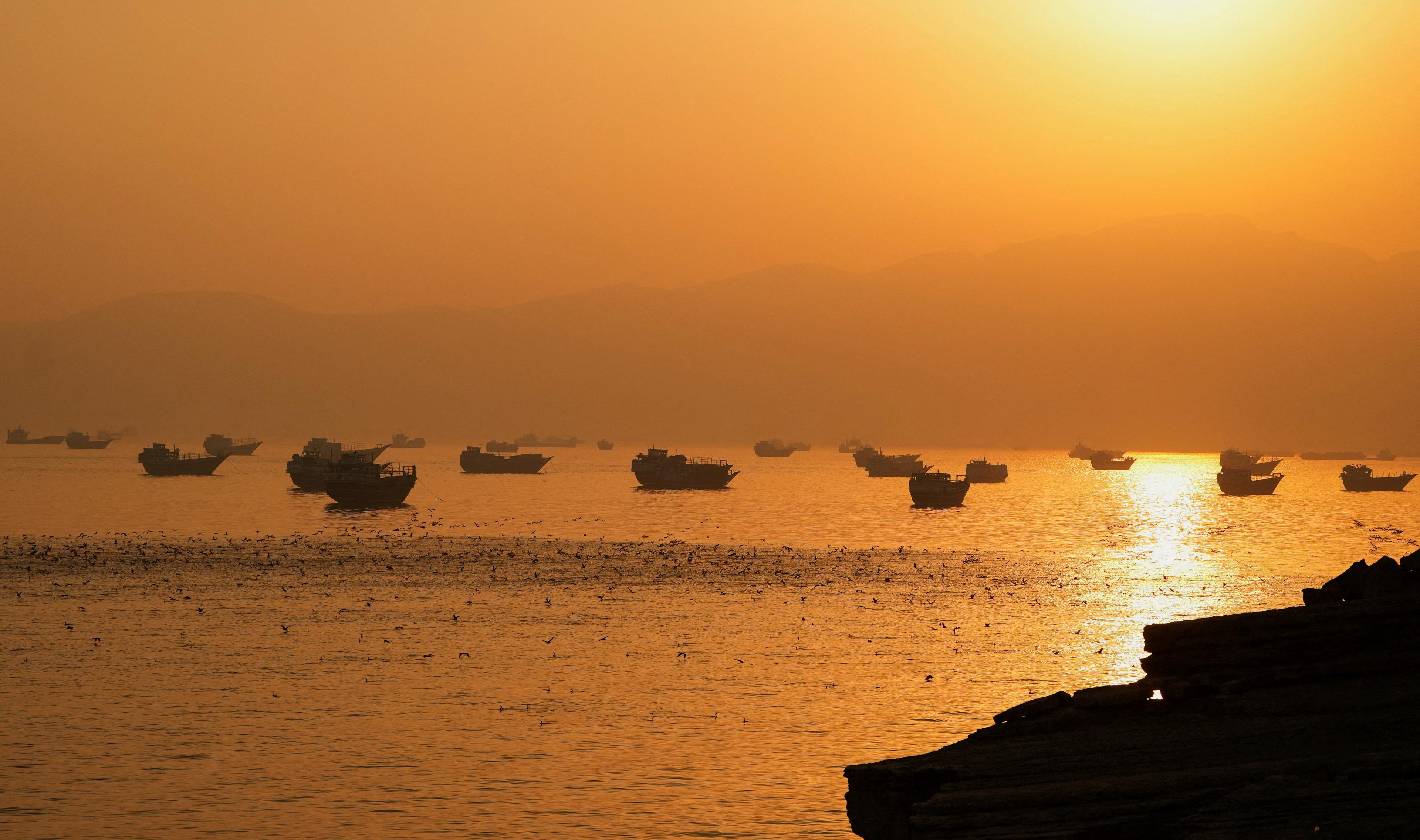
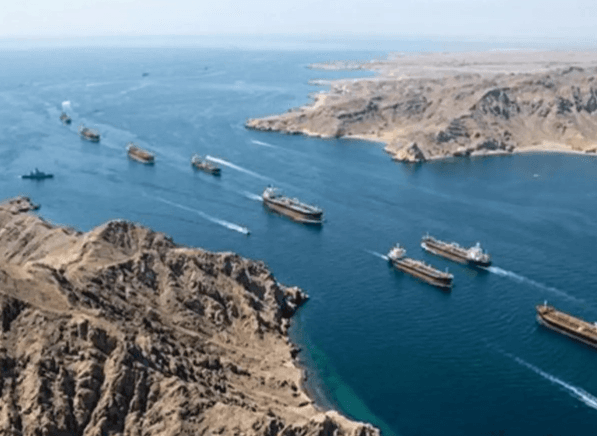
The U.S. and Iran’s renewed confrontation is framed as a threat to energy exports and global commerce through the Strait of Hormuz, with CENTCOM describing the waterway as “an international waterway vital to global commerce.”
NBC News said Iran’s paramilitary Revolutionary Guard threatened to halt all energy exports from the Middle East over the blockade, quoting: “The export of oil and gas from the region will be either for everyone or for no one.”
CBS News reported the Curacao-flagged M/T Belma was disabled after CENTCOM said it ignored multiple warnings while transiting international waters toward Kharg Island, and the ship was no longer transiting to Iran.
The Guardian said the latest strikes were aimed at “degrading Iranian capabilities used to attack commercial shipping” in the strait, while also reporting that Iran’s Islamic Revolutionary Guard Corps warned other export routes could also be closed.
In the broader stakes described by the sources, the Independent said the IMF warned the war was creating a global energy disruption, and Christian Mumssen said “a prolonged disruption to energy supplies would clearly affect the global economic outlook.”