Full story
Pilot plan amid strikes
A U.S. State Department spokesperson told i24NEWS that “the pilot-zone process remains the only viable path toward long-term peace and security for Lebanon and Israel” as fighting escalated between Israel and Hezbollah in southern Lebanon.
“the pilot-zone process remains the only viable path toward long-term peace and security for Lebanon and Israel”
The spokesperson said the United States “expect[s] the Lebanese Armed Forces (LAF) to complete the land clearing operations in the initial pilot zones,” and that “once the clearance is verified, the process will be expanded.”

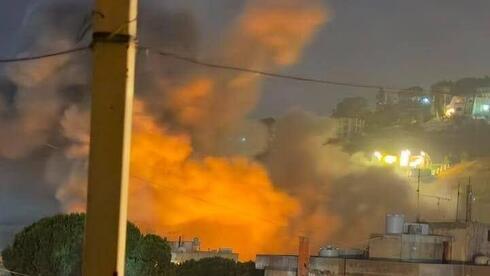
i24NEWS also reported that the IDF said it conducted a strike in Ansar after a Hezbollah explosive drone strike in southern Lebanon left an officer and two IDF soldiers seriously injured.
In the same i24NEWS account, the IDF said it killed eleven people in Ansar, including the Hezbollah commander who ordered the attack on the IDF soldiers, while Benjamin Netanyahu said: “The State of Israel will not tolerate any harm to its soldiers and will act forcefully against any threat.”
Reactions and negotiation strain
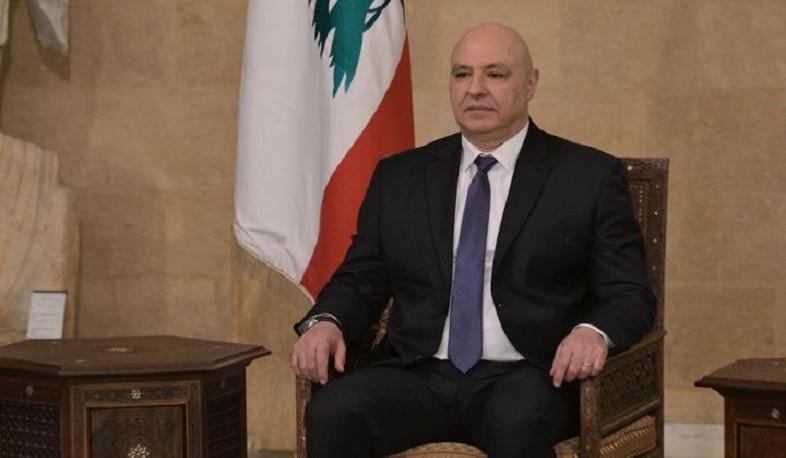
In Lebanon, President Jozef Aoun condemned the ongoing Israeli attacks on southern regions and said the repeated violations of the framework agreement “constitute a clear message to the negotiation path and to the American efforts to implement this agreement.”
Najib Mikati said that “the seven who were martyred in the Israeli strike on Ansar are not infrastructure targets, and the children and women who were killed there were not military targets,” and emphasized that the responsibility for handling military structures lies with the Lebanese state.

Hezbollah criticized the Lebanese authorities for continuing to negotiate with Israel and urged them to “reconsider their calculations comprehensively in a way that preserves Lebanon’s sovereignty and rights.”
The BBC described how the new wave of escalation came as negotiations faced a major disagreement over the relationship between the withdrawal of Israeli forces from southern Lebanon and the disarmament of Hezbollah, with the framework agreement reached on June 26, 2026 calling for steps to be carried out in parallel.
Casualties, toll, and what’s at risk
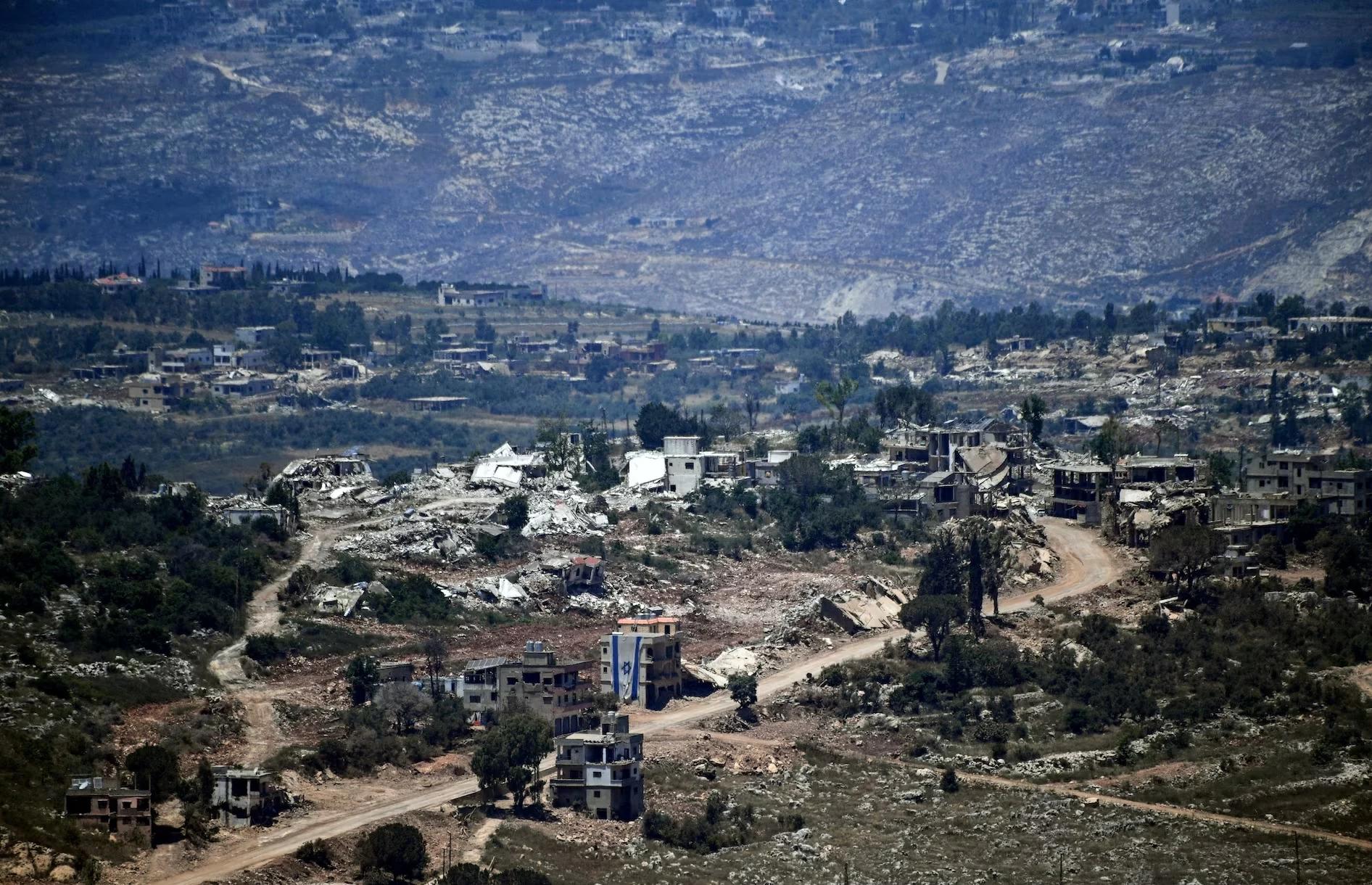
The BBC reported that on Saturday, August 15, Lebanese authorities confirmed the death of 11 people, including children, and the injury of 19 others after Israeli airstrikes in southern Lebanon, with the Lebanese Ministry of Health saying seven were killed in an Israeli airstrike targeting a house in Ansar and four were killed in an airstrike on Deir el-Zahrani.
“confirmed the death of 11 people, including children, and the injury of 19 others”
L’Orient Today’s live coverage put the Ministry of Health toll since March 2 at 4,346 people killed and 12,301 wounded, and said the toll increased as Israeli attacks killed seven people in Ansar and four in Deir al-Zahrani.
In the same L’Orient Today account, Hezbollah held a funeral in Beirut’s southern suburbs for the family killed in an Israeli airstrike in Ansar, identifying Ali Samir Hajj Hassan and his wife Zeinab Nassereddine and children Hassan, Zahraa, Abbas, and Hussein.
Across the coverage, the negotiation process remained tied to sequencing, with the BBC noting that Israeli Defense Minister Avigdor Liberman said Israel will not withdraw from areas it controls until Hezbollah is disarmed, while Hezbollah refuses to discuss its weapons until Israel withdraws from all Lebanese territory.