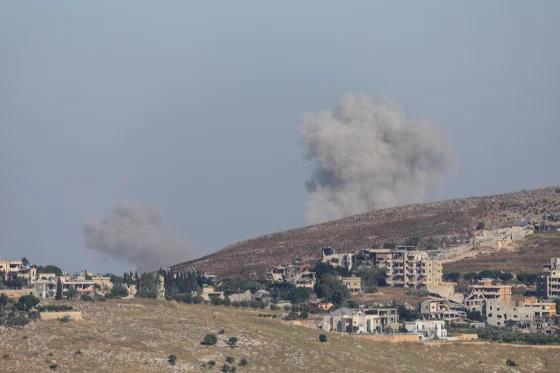
US Officials Feared Israel Planned To Kill Iran Negotiators During US-Iran Talks
Key Takeaways
- US officials believed Israel planned to assassinate Iran’s top negotiators during talks.
- Targeted negotiators included Foreign Minister Abbas Araghchi and Parliament Speaker Mohammad Bagher Ghalibaf.
- Reports emerged during spring U.S.–Iran talks on the 14-article framework and interim peace.
Funeral warning and talks
Iran warned Donald Trump and Israel not to launch strikes as the country prepares for the state funeral of Supreme Leader Ayatollah Ali Khamenei, with Ali Abdollahi, commander of Khatam al-Anbiya Central Headquarters, telling the “enemies of Iran” to avoid a “miscalculation” or face harsh retaliation.
“Qatari Prime Minister and Foreign Minister Sheikh Mohammed bin Abdulrahman bin Jassim Al Thani has met United States envoy Steve Witkoff and US President Donald Trump’s son-in-law Jared Kushner in Doha as attempts are made to restart direct talks between Tehran and Washington”
The funeral processions for Khamenei will begin on July 4 in Tehran and conclude on July 9 with his burial in his hometown of Mashhad, with additional ceremonies planned in Qom and Iraq in-between these dates.

As the diplomatic track continues, Trump told reporters that the “denuclearisation of Iran is moving along well” and that “very good meetings” were held in Qatar as he and his vice president played down any suggestion of a return to all-out combat.
The Independent also said Trump’s envoys Steve Witkoff and Jared Kushner arrived in Qatar on Tuesday to meet mediators, while Qatar's foreign ministry said the talks made "positive progress" on issues related to the interim agreement.
In parallel, The Jerusalem Post reported that US officials believed Israel may have planned to use the negotiations between the US and Iran as a window of opportunity to kill Iran’s top negotiators, including Parliamentary Speaker Mohammad Bagher Ghalibaf and Foreign Minister Abbas Araghchi.
Assassination fears and denials
The Jerusalem Post said US officials were particularly concerned that Mohammad Bagher Ghalibaf and Abbas Araghchi would be targeted during cease-fire negotiations beginning in April, and it added that US officials reached out to other Middle Eastern countries to warn Iran of the potential danger.
It also reported that Ghalibaf was targeted again in April when he flew to Islamabad to meet with US Vice President JD Vance, and that Pakistani fighter jets escorted the airplanes carrying the Iranian delegation from the border to Islamabad and back.
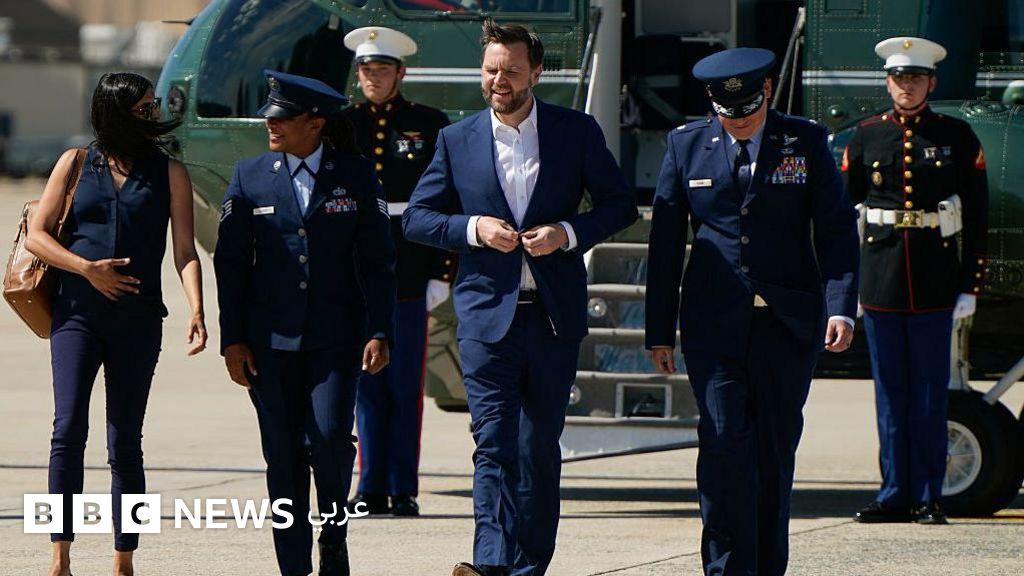
In Doha, Al Jazeera reported that Qatari Prime Minister and Foreign Minister Sheikh Mohammed bin Abdulrahman bin Jassim Al Thani met US envoy Steve Witkoff and Jared Kushner as attempts are made to restart direct talks between Tehran and Washington.
Al Jazeera also said Tehran has denied holding direct talks with the US in Doha, and that Iran said it will hold indirect talks on the US-Iran deal with mediator Qatar to discuss implementing the MoU and releasing frozen Iranian assets.
The Jerusalem Post further stated that a US official and a Middle East official said the Trump administration had a more active role in at least Ghalibaf’s removal from the list, with the US directly asking Israel not to target him.
Strait of Hormuz and next steps
As negotiations continue, multiple sources described a dispute over the Strait of Hormuz, with Iran announcing closure of the strait and warning ships not to approach the waterway, while U.S. Central Command said 55 commercial ships passed through the strait on Saturday.
“US officials suspect Israel plotted to kill Iran’s nuclear negotiators during peace talks Classified intelligence reportedly flagged an Israeli push to assassinate Iran's lead negotiator, a revelation that could reshape US-Israel relations and rattle already-volatile crypto markets US officials reportedly came to believe that Israel was actively plotting to assassinate Iran’s chief negotiator during diplomatic talks aimed at ending the 2026 Iran War”
The BBC reported that Vance arrived in Switzerland at 3:59 GMT and that a new round of negotiations between the United States and Iran is expected to begin, aimed at ending the war in the Middle East based on the memorandum of understanding signed between the two sides.
The BBC also quoted the Swiss Foreign Ministry on X welcoming the arrival of the Iranian delegation in Switzerland, and it said the talks come as part of implementing the memorandum of understanding signed between the Islamic Republic and the United States.
In the same period, the BBC said the U.S. president posted on Truth Social that “There will be no transit fees on ships traveling through the Strait of Hormuz during the 60-day temporary ceasefire and after it—unless the United States imposes these fees”.
Meanwhile, Al Jazeera reported that the MoU signed on June 17 extended their ceasefire by 60 days and that the issues on the table include the future of the Strait of Hormuz, Iran’s frozen assets, long-term sanctions relief and Tehran’s nuclear programme.
More on Iran
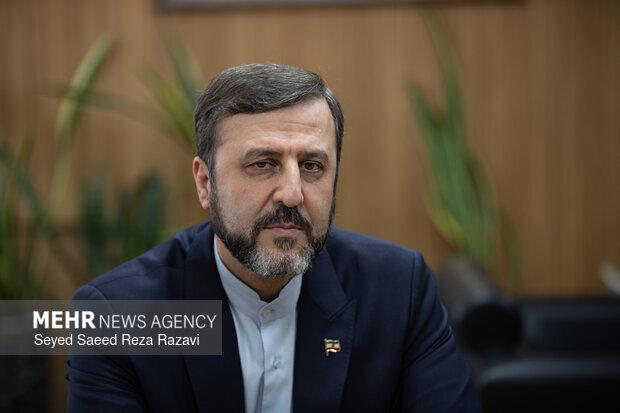
Iran’s Abbas Araghchi Slams CENTCOM After Bahrain Security Summit With 12 Nations
14 sources compared

Iran Foreign Minister Abbas Araghchi Slams CENTCOM Bahrain Security Dialogue
11 sources compared

U.S. and Iran Hold Technical Talks in Doha as Service Member Missing After Arabian Sea Landing
11 sources compared
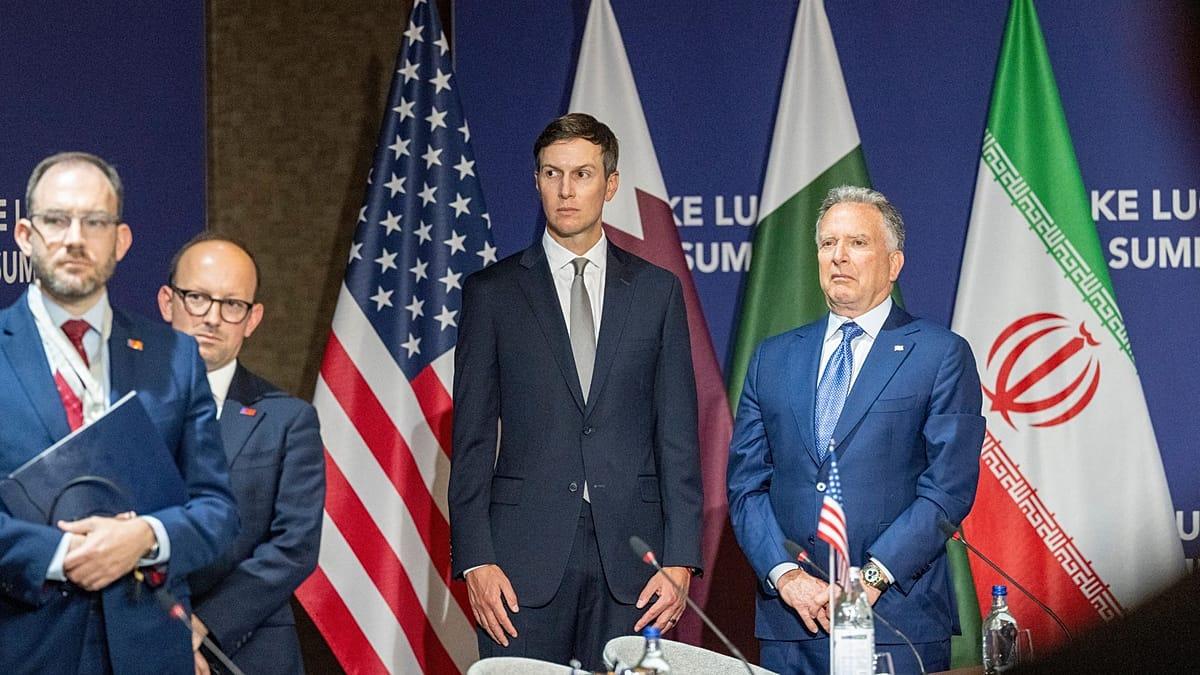
Iran Establishes Communication Channel With Washington After Indirect Talks in Qatar
36 sources compared