Iran16 March, 20263 min read
US Officials Predict Quick End to Iran War
US officials say the Iran-Israel conflict could end within weeks. Tehran says it can outlast foes and defend itself.
Conflict Duration Predictions
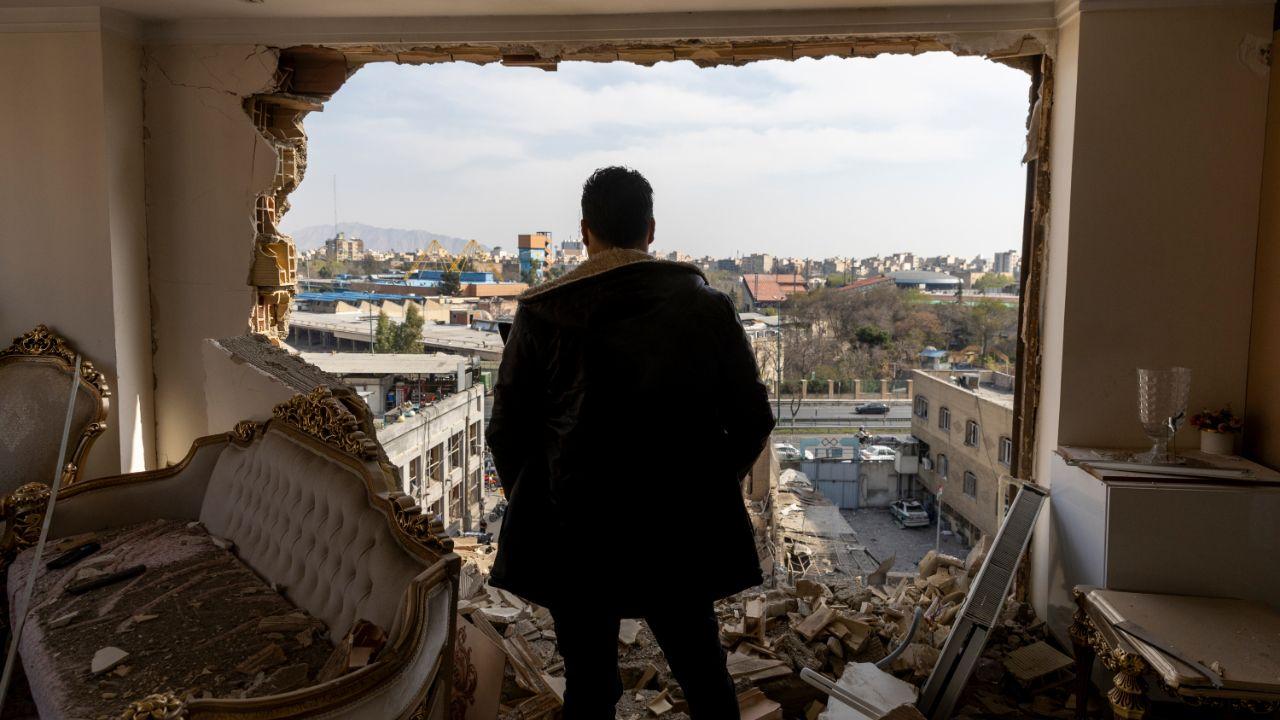
US officials are predicting a relatively quick end to the Iran-Israel conflict, with Energy Secretary Chris Wright asserting that the war will conclude 'within weeks' and likely sooner. Wright predicted that once the conflict ends, there would be a rebound in oil supplies and price reductions despite current crude oil prices hovering around $100 per barrel. Iranian leadership has firmly rejected these predictions, with Foreign Minister Abbas Araqchi stating 'We have never asked for a ceasefire, and we have never asked even for negotiations.'
“'This conflict will certainly come to the end in the next few weeks — could be sooner than that ... and we'll see a rebound in supplies and a pushing down of prices after that,' U.S. Energy Secretary Chris Wright told ABC's 'This Week' program.”
Araqchi emphasized Iran's strength and resolve: 'We are stable and strong enough.' The conflicting assessments reflect the deep divide between Washington's optimistic economic-driven timeline and Tehran's defiant stance of being ready 'to defend ourselves for as long as it takes.' This fundamental disagreement over the conflict's duration underscores the complex geopolitical and military calculations facing both sides as the war enters its third week.
Military Escalation
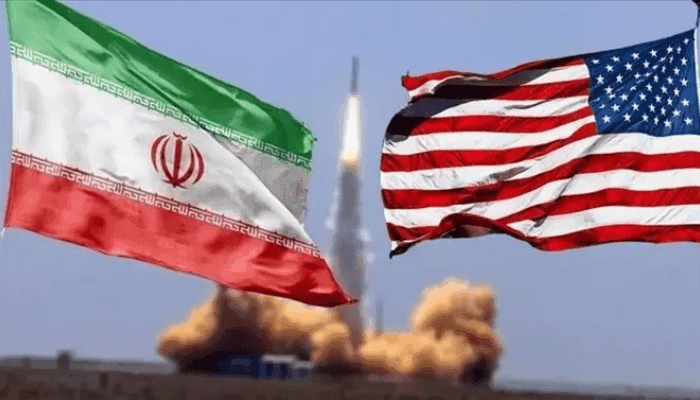
President Trump has escalated military rhetoric and actions, threatening additional strikes on Iran's main oil export hub Kharg Island and making provocative comments. Trump claimed he had 'totally demolished' much of Kharg Island while warning 'We may hit it few more times just for fun.' These remarks marked a significant escalation from Trump's previous statements that the US was targeting only military sites on Kharg.
Trump's comments dealt a blow to diplomatic efforts to end the conflict. Iranian forces have responded with continued military action, with the Revolutionary Guards firing more missiles and drone barrages at targets in Israel and US military bases in the region.
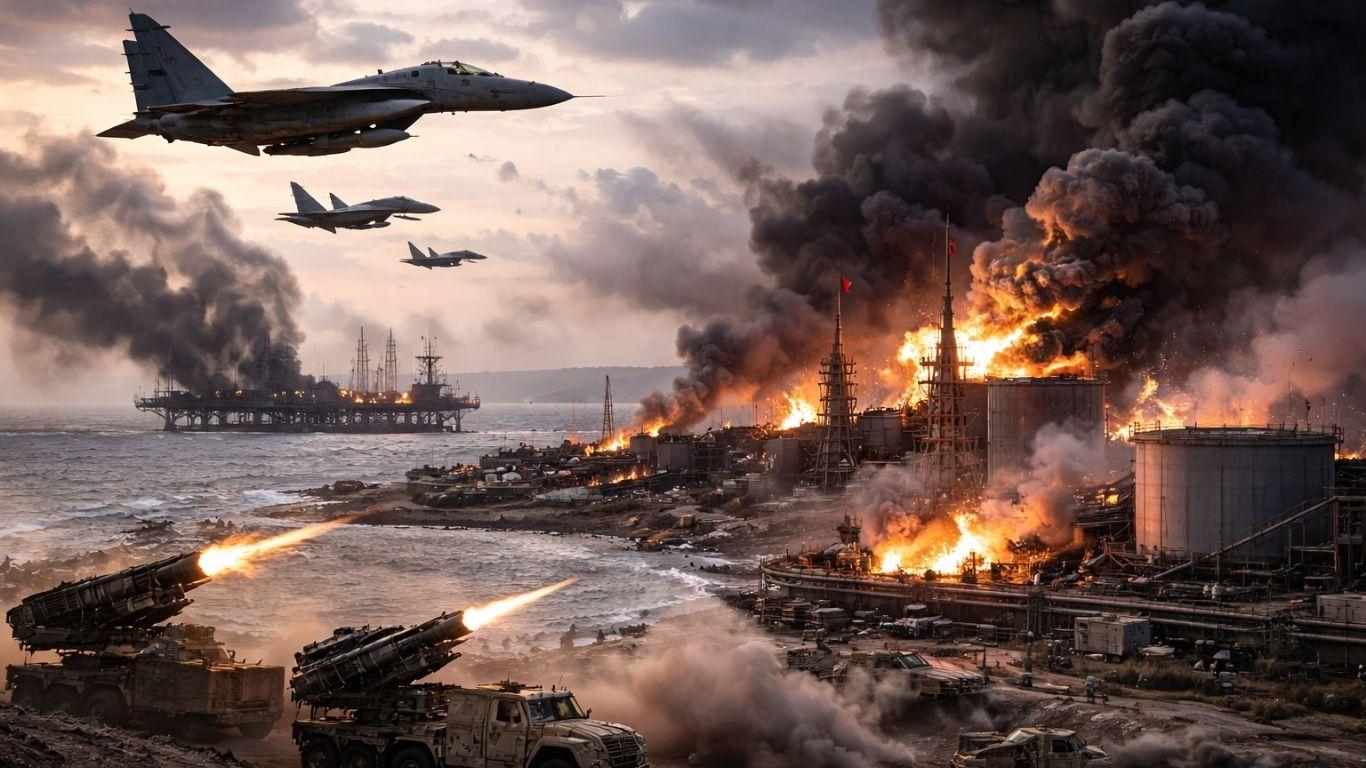
Saudi Arabia reported intercepting 10 attacks, while Israel has been striking targets in western Iran including Revolutionary Guards headquarters and militia forces in Hamadan. These developments indicate the conflict's regional spread and intensification.
Humanitarian and Economic Impact
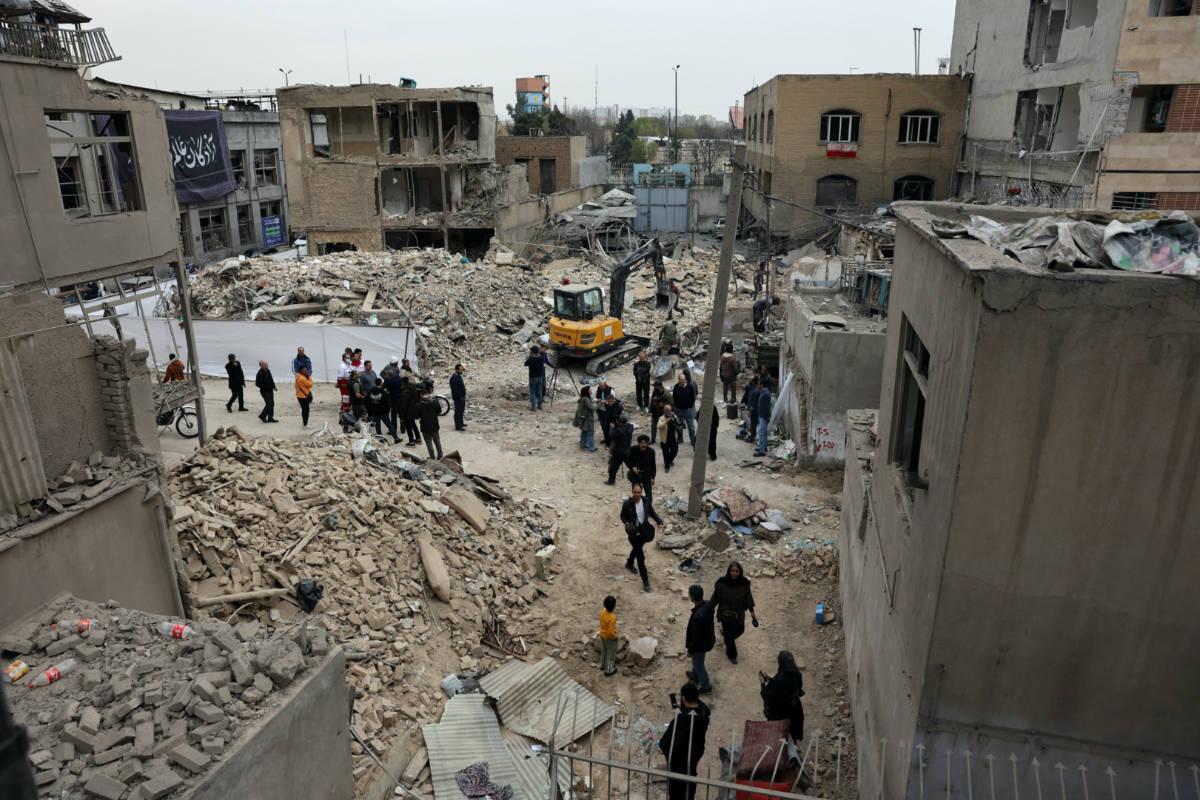
The Iran-Israel conflict has caused a severe humanitarian crisis and significant economic disruption across the region and globally. The World Health Organization has released $2 million in emergency funds to address the crisis. Large-scale population movements have been reported, including more than 100,000 people relocating in Iran and up to 700,000 internally displaced in Lebanon.
“The World Health Organization said on Sunday that it had released $2 million in emergency funds to countries in the region, which has experienced large-scale population movements with more than 100,000 people in Iran relocating and up to 700,000 in Lebanon internally displaced.”
The conflict has killed more than 2,000 people, with the majority of casualties occurring in Iran and Lebanon. Economically, the war has disrupted global energy markets through the closure of the vital Strait of Hormuz.
The strait carries about one-fifth of global oil and liquefied natural gas supplies. Crude oil prices have climbed close to $100 per barrel, prompting the International Energy Agency to announce the release of 411.9 million barrels from emergency reserves.
Regional Diplomacy
The conflict has triggered complex regional diplomacy and security concerns, with Gulf Arab states facing more than 2,000 missile and drone attacks since the war began on February 28. Iran's ambassador to Saudi Arabia, Alireza Enayati, acknowledged that Iran's relations with Gulf states would require a 'serious review' but emphasized that 'We are neighbors and we cannot do without each other.' Enayati denied Iranian responsibility for attacks on Saudi oil infrastructure, stating 'Iran is not the party responsible for these attacks, and if Iran had carried them out, it would have announced it.'
Meanwhile, international efforts to address the shipping crisis are intensifying, with Trump calling on multiple countries to join efforts to reopen the Strait of Hormuz. European nations are discussing expanding naval missions, with France seeking to assemble a coalition and Britain discussing options with allies to secure shipping lanes through the strategically vital waterway.
Diplomatic Developments
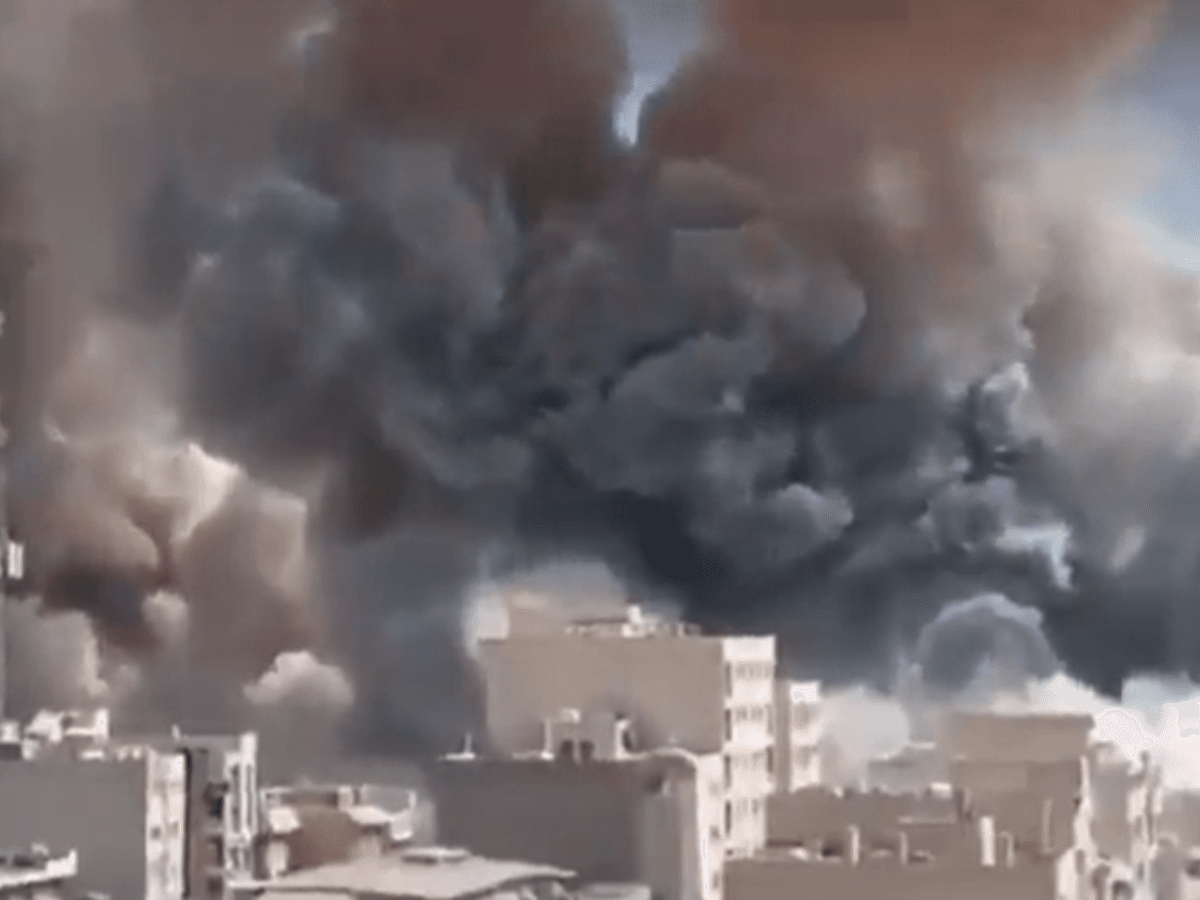
Israel and Lebanon may be moving toward diplomatic resolution efforts, with sources indicating that Israel and Lebanon are expected to hold talks in coming days. The talks are aimed at securing a ceasefire that would see Iran-backed Hezbollah disarmed. This potential diplomatic track comes amid reports that Israel has resumed its campaign against the Iranian-backed Hezbollah movement.
“But Israel and Lebanon are expected to hold talks in coming days aimed at securing a ceasefire that would see Iran-backed Hezbollah disarmed, two Israeli officials said.”
Hezbollah was drawn into the conflict when it opened fire on Israel to avenge the killing of Iran's supreme leader. The development suggests some regional actors may be seeking to contain the conflict's spread through negotiated settlements. This is occurring even as military actions continue on multiple fronts.
The international community remains concerned about the potential for further escalation. The global economy is still reeling from energy market disruptions and the humanitarian crisis deepening in affected regions.