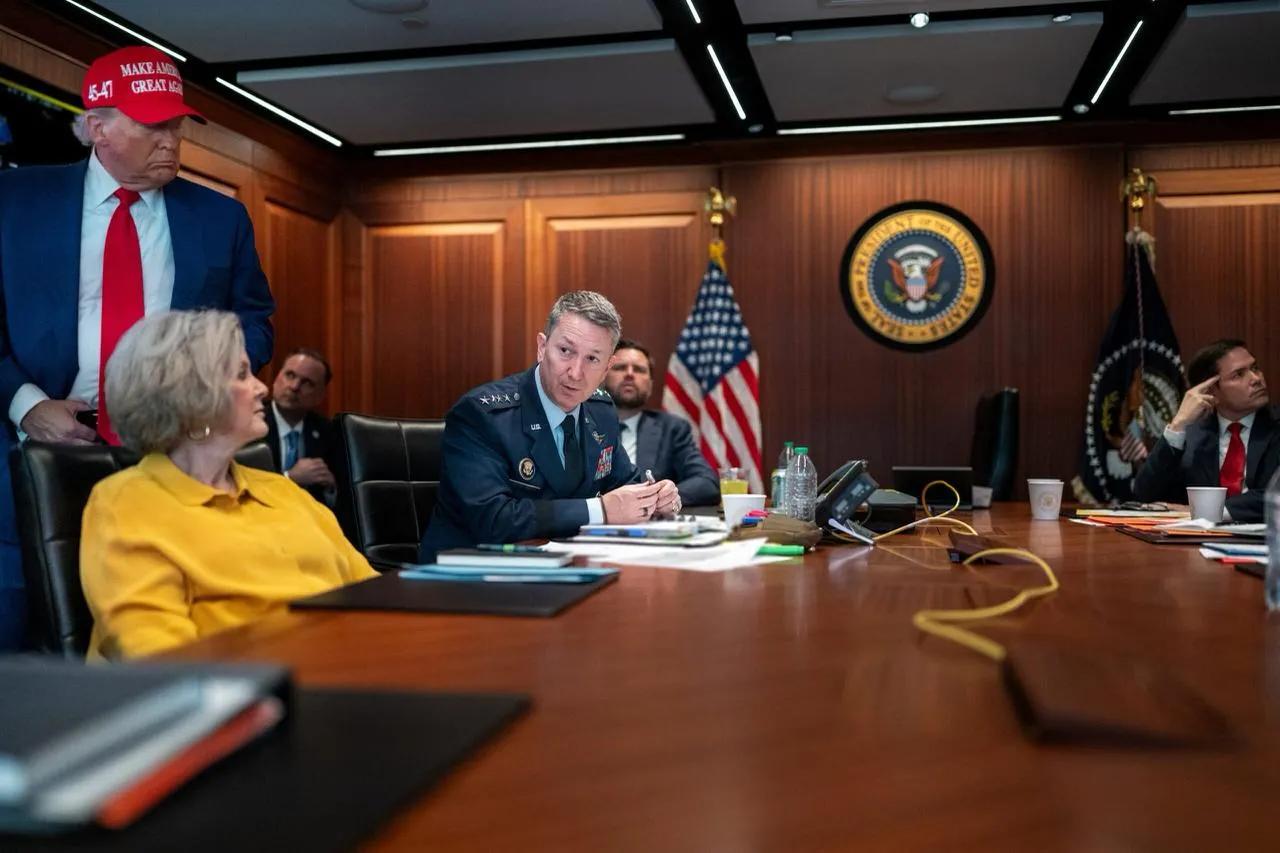
Full story
Pause, drones, and mediation
The United States paused its two-week campaign of air strikes against Iran, and on Monday Saudi Arabia, Jordan and Iraq reported separate drone attacks as regional tensions stayed high despite the break.
“The United States paused strikes on Iran on Friday after nearly two weeks of bombardments, including in the Strait of Hormuz, since the Islamabad-brokered ceasefire unravelled”
Saudi Arabia said it intercepted drones targeting petroleum facilities in its eastern province and others in the capital, Riyadh, while Jordan’s military said it shot down two drones and Iraqi security sources reported drone attacks on camps housing Iranian opposition Kurdish forces in northern Iraq.

Iran’s Foreign Ministry spokesperson Esmail Baghaei said mediators continue to pass messages between Washington and Tehran but confirmed there are no direct negotiations with the U.S., while the U.S. ambassador to the United Nations Mike Waltz said President Donald Trump is allowing negotiations to move forward.
In parallel, Middle Eastern mediators made progress to bring the U.S. and Iran back to the negotiating table and prevent a wider conflict, with Qatar and Pakistan leading mediation efforts to restore an interim ceasefire deal that unraveled during the recent exchange of attacks.
Talks without agreement
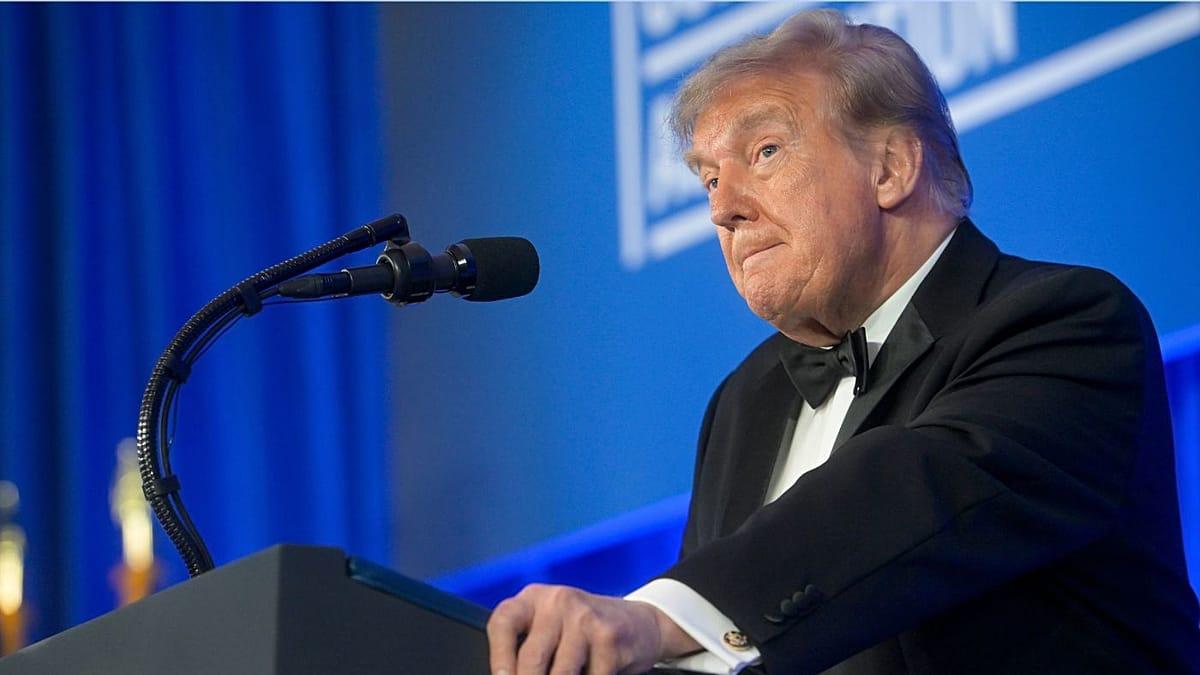
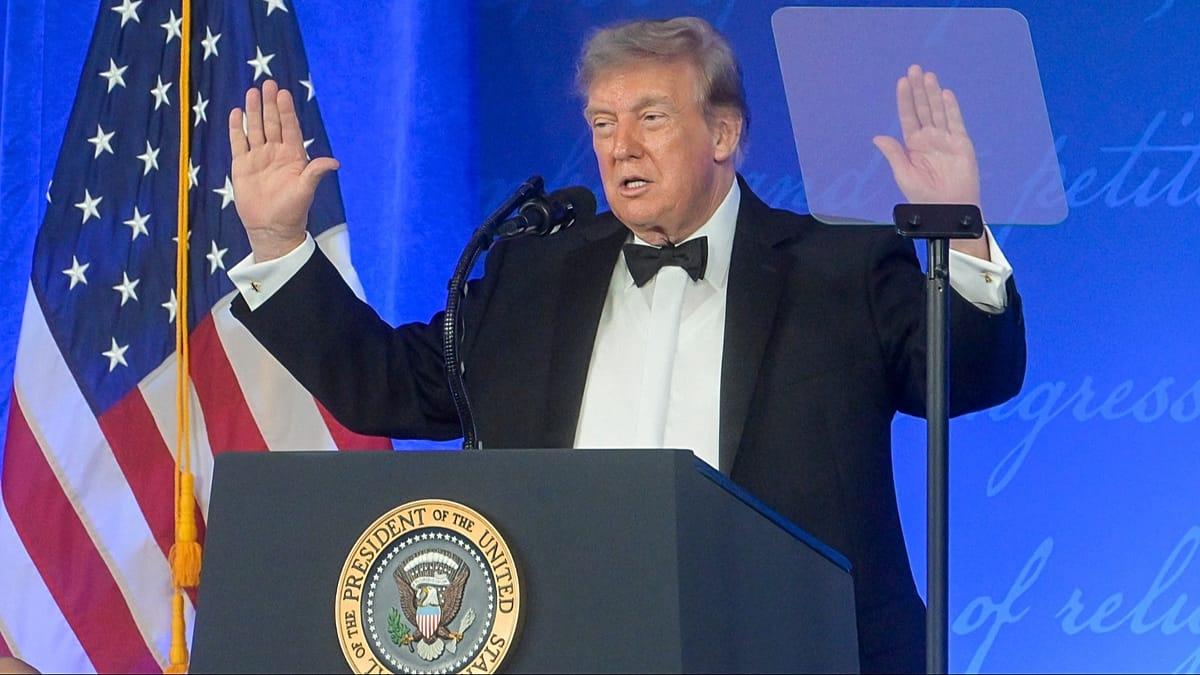
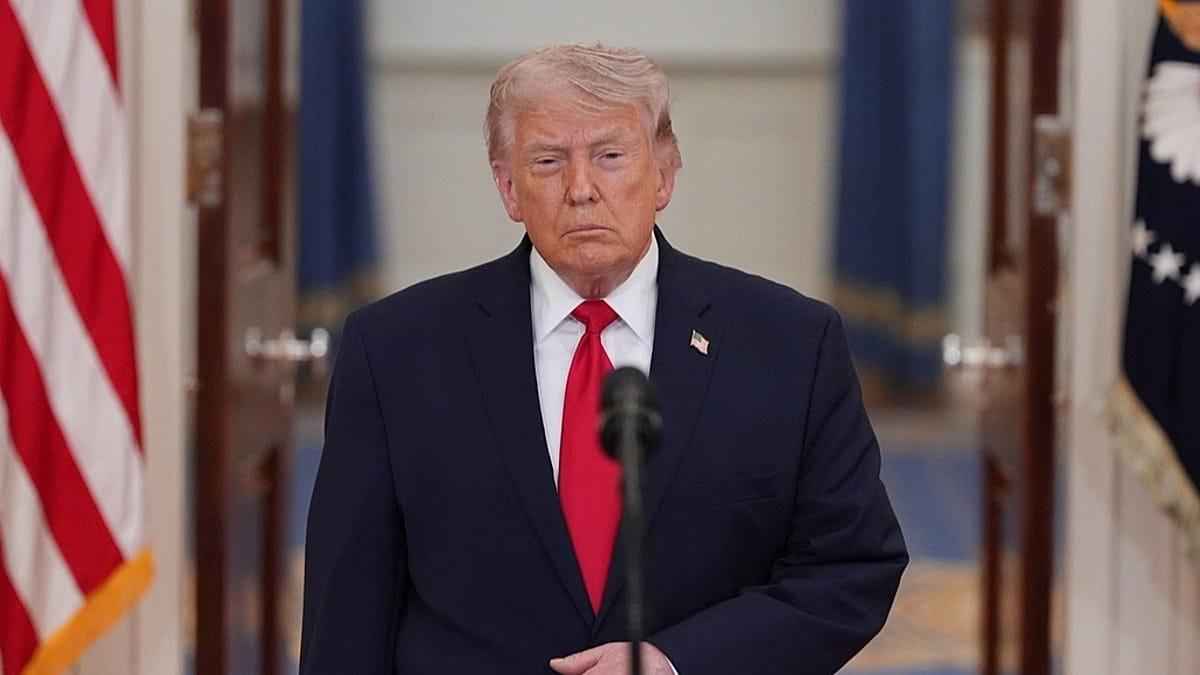
President Donald Trump said the United States paused attacks on Iran at Iranian leaders' request but warned he would order "strong military action" if negotiations fail, while also telling Axios, "We are having very deep talks with Iran."
Iran’s Foreign Ministry said there were no new negotiations with the United States, and Esmaeil Baghaei said Tehran "would never allow the United States to determine the timing of war and peace."

The BBC reported that Trump had paused attacks on Iran for the third night to make space for talks, and Mike Waltz said the president was "giving talks some space, he's giving it a little bit of room".
The Guardian reported that Tehran said it would pause what it called "retaliatory" attacks against US allies in the region, and an Iranian army spokesperson said, "Our strategy has essentially been retaliatory" and that Tehran had halted its retaliatory operations.
Strait of Hormuz and next steps
The pause in U.S. strikes came as Iran said it still controls the Strait of Hormuz and was not seeking to resume peace talks with the United States, and Iran said it would pause its own attacks for as long as the U.S. pause in bombing endures.
“US and Iran pause strikes for third night to make space for talks, US ambassador says President Donald Trump has paused attacks on Iran for the third night in a row to give diplomacy more time, the US ambassador to the UN said”
Iran state media reported an “informed source” saying Iran had turned around six “offending ships” Monday morning attempting to cross the strait without its permission, and one vessel had “an accident,” while the report also said, "the traffic route in the Strait of Hormuz is the route specified by Iran."
The Guardian said the fighting over the Strait of Hormuz had derailed diplomatic efforts between Washington and Tehran, and it quoted Esmail Baghaei saying, "Mediators are working and trying to prevent tension from escalating."
The Guardian also said Benjamin Netanyahu was expected to visit the White House on Tuesday, and it reported that the US and UK were discussing plans for a high-level meeting in London this week as the lull in fighting continued.