USA29 October, 20252 min read
US Reduces Troop Presence in Romania, Weakening NATO’s Eastern Flank Defense
The US is withdrawing about 800 troops from Romania’s Mihail Kogalniceanu Air Base. Approximately 900 to 1,000 US troops will remain stationed in Romania across key bases.
57 outlets told this the same way.
Outlets did split on Trump Interrupted by Protesters at San Antonio Rally for Ken Paxton →
US Troop Rotation Changes in Europe
The United States has informed Romania and NATO allies that it will end the rotation of a U.S. brigade across several countries on the alliance’s eastern flank. This decision will reduce troop numbers at Romania’s Mihail Kogălniceanu (MK) Air Base while keeping roughly 900–1,000 soldiers in the country. Romanian officials said the decision was expected and emphasized that key bases and missile-defense assets remain operational.
“The Pentagon clarified that the planned withdrawal of one US brigade from Romania’s Mihai Kogalniceanu airbase does not signal a US withdrawal from Europe or a reduced commitment to NATO...”
NATO figures and U.S. statements stress that this is not a withdrawal from Europe nor a weakening of Article 5 commitments. The change reflects a broader reassessment after the 2022 surge in U.S. deployments. Allies were briefed that rotations would cease in Romania, Bulgaria, Slovakia, and Hungary, even as Romania continues to host a significant U.S. presence on the Black Sea.
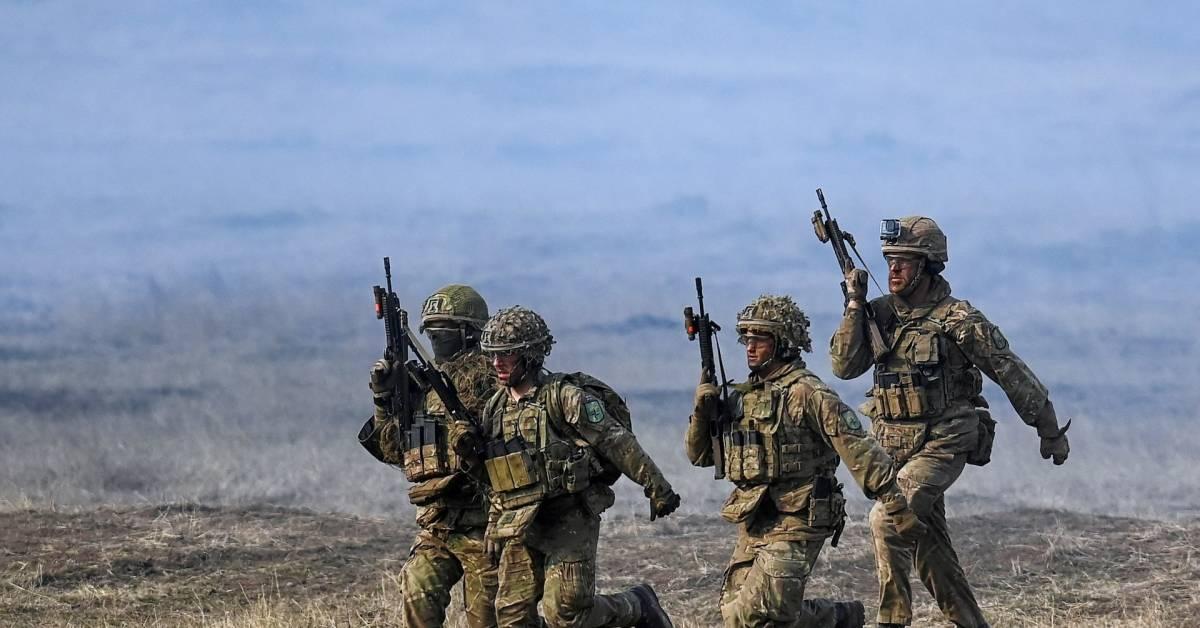
NATO and US Strategic Shift
Washington and NATO describe the move as part of a global realignment and burden-sharing strategy that shifts some focus toward the Indo-Pacific while relying on a strengthened European stance. U.S. and NATO officials emphasize that this is an adjustment to force posture rather than a withdrawal, highlighting stronger European capabilities and a U.S. presence in Europe that remains higher than in previous years. Reports also connect the decision to the previous administration’s push for European allies to take on more security responsibilities, although critics caution that the optics might send mixed messages to Moscow.
U.S.-Romania Security Partnership
Romanian leaders insist the U.S.–Romania strategic partnership and deterrence in the Black Sea remain robust despite the drawdown. They emphasize that Deveselu and Câmpia Turzii bases are unaffected by the changes. Approximately 900–1,000 U.S. troops will continue to support deterrence and security, even as the MK Air Base loses a rotating brigade.
“The United States is partially reducing its troop presence in Romania... maintaining about 900 to 1,000 soldiers overall. Forces at the Deveselu and Câmpia Turzii bases remain unchanged.”
Reactions across the region vary: some allies report no changes in their countries. Romanian and European commentators warn that the optics of the drawdown could invite pressure from Russia if not balanced by stronger European deployments.
NATO Response to Russian Aggression
The drawdown unfolds amid persistent Russian aggression and airspace violations along NATO’s eastern front, prompting alliance vigilance measures and public reassurances. NATO launched the Eastern Sentry mission after repeated drone and warplane incursions.
U.S. and NATO officials argue the overall American footprint in Europe remains larger than in past years. Still, some analysts and outlets caution that reducing rotations near the Black Sea could embolden the Kremlin and pressure Romania unless European allies visibly reinforce the region.
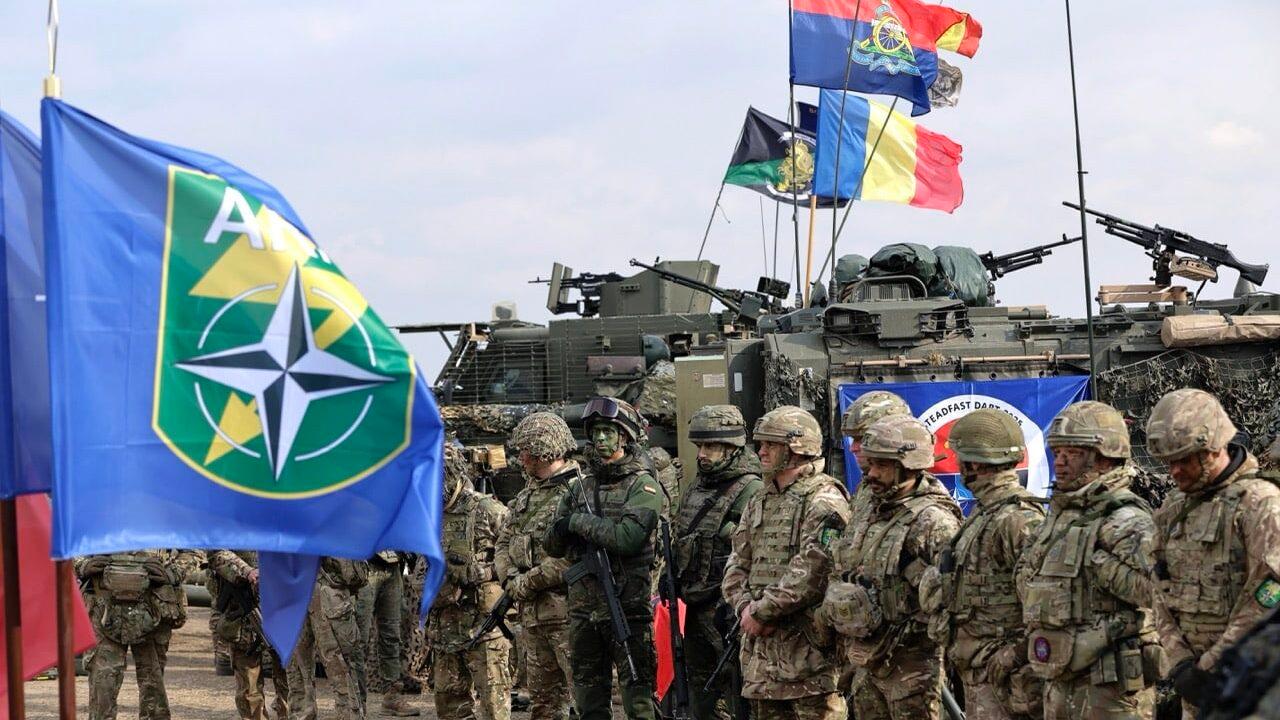
NATO and U.S. Military Strategy
Looking ahead, many sources view the change as both a test of NATO burden-sharing and a signal of Washington’s strategic pivot. Romania’s bases are expanding as allies consider taking on stronger regional roles. Western Alternative and West Asian outlets warn of deterrence risks and urge Europe to increase its efforts.
“Romanian officials... maintain that the reduction does not threaten national security... some analysts warn that Moscow may view the drawdown as a weakening of NATO’s eastern deterrence.”
Others note that Romania will still host about 1,000 U.S. troops. Regional infrastructure, including MK and other bases, is planned for major upgrades.
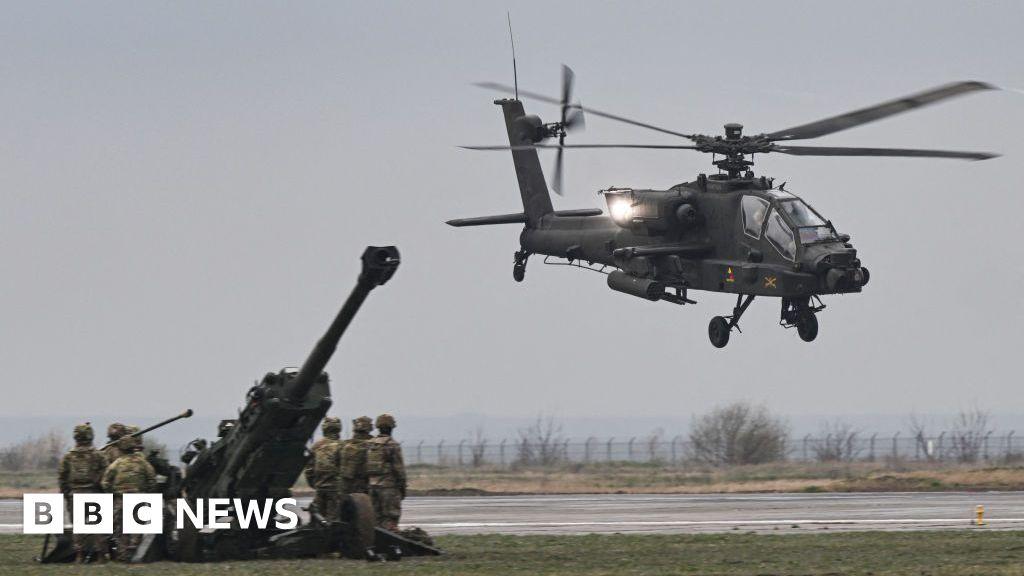
Analysts say the message to Moscow depends on whether European forces replace the U.S. drawdown. The future of NATO’s broader posture, including rotational brigades, new air bases, and Black Sea vigilance, will also influence the situation.