
Full story
Gasoline shortage deepens
Iran is facing a growing fuel shortage as U.S. restrictions limit its access to imports, with a senior official saying the gasoline market is running a daily deficit of 14 million–15 million liters.
“a daily deficit of 14 million–15 million liters”
State-run newspaper Hamshahri reported long lines at gas stations in Tehran on Aug. 23 amid fears of price increases, with many drivers filling their tanks before they were even half empty.

The report tied the shortage to record demand, wartime damage and “changes in state budget priorities,” and it warned that any fuel shortage would test Iran’s ability to keep its economy functioning as the United States launches what Treasury Secretary Scott Bessent called “the largest financial operation ever conducted against an adversary.”
The New Voice of Ukraine said gasoline prices are an extremely sensitive issue in oil-rich Iran because government subsidies give consumers access to some of the cheapest gasoline in the world, and it cited unrest in 2019 when “hundreds of Iranians were killed by security forces.”
It added that Iran’s government is considering three ways to address the shortage, including allocating a fixed 121 million liters of fuel per day among gas stations and stopping dispensing once that volume is exhausted.
Sanctions widen, retaliation
The United States announced sweeping new economic sanctions on Iran and countries that trade with it, with Al Jazeera quoting Treasury Secretary Scott Bessent describing the campaign as the “economic asphyxiation” of Iran.
Al Jazeera said the U.S. Treasury imposed new sanctions on nearly 60 individuals and entities, targeting networks accused by Washington of helping Iran generate oil revenue, procure weapons and conduct cyberoperations, and it said Iran rejected the latest U.S. sanctions.
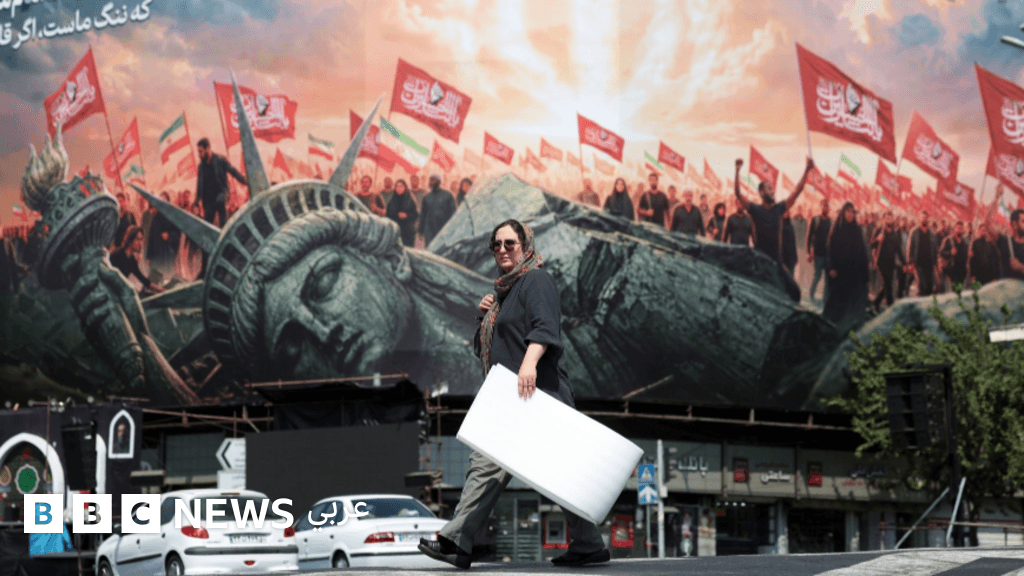
Iran’s Economy Minister Seyed Ali Madanizadeh told Fars News Agency that “US sanctions against us are not new. We have programmes to counter American sanctions, and Washington cannot achieve its goals by severing the arteries of our economy,” as Al Jazeera reported.
Time Magazine said Iran pledged to “attack” the U.S. financially after Washington unveiled the sanctions as part of ‘Economic D-Day,’ and it quoted Madanizadeh saying, “They want to launch an economic terrorist attack against us. We also have our own tools, and we know the rules of this game.”
The same Time Magazine account said Bessent stopped short of immediately imposing secondary sanctions on countries that trade heavily with Iran, responding to a question about why he was waiting by saying, “Why would I want to blow up the global financial system?”
Pressure meets repression
As the economic squeeze builds, The Times of India reported Iran is tightening its grip on citizens by introducing tougher restrictions on communication with foreign media and institutions, including a bill titled “Countering the Infiltration of Intelligence Services and Foreign Governments or Institutions in the Country.”
“could face up to two years in prison”
The Times of India said the rules reportedly criminalise contact with what Tehran describes as “hostile” media outlets and that those found sharing information could face up to two years in prison.
It quoted an Iranian refugee who spoke to NewsNation anonymously for safety saying, “These new rules are another attempt by the regime to tighten its control over people and prevent any form of independent connection or cooperation with the outside world,” and it added that the refugee said the aim was to prevent Iranians from informing the outside world about abuses and organising future protests.
The Times of India also reported Iranian Foreign Ministry spokesperson Esmail Baghaei warned that Tehran would respond to any escalation, saying, “Our hands are not tied.”
In parallel, the New York Times framed the U.S. effort as a bid to squeeze Iran’s economy while experts warned that the campaign aimed at avoiding military escalation could instead provoke it, quoting Sina Toossi saying, “The harder Washington pushes third countries to sever Iran’s remaining lifelines, the stronger Tehran’s incentive becomes to demonstrate that participating in Iran’s isolation carries costs of its own.”