Techonology and Science30 September, 20252 min read
US Scientists Create Human Embryos From Skin Cell DNA for First Time
Scientists created early-stage human embryos by fertilizing eggs made from skin cell DNA. The research was conducted by Oregon Health and Science University and published in Nature Communications.
12 outlets told this the same way.
Advances in Reproductive Technology
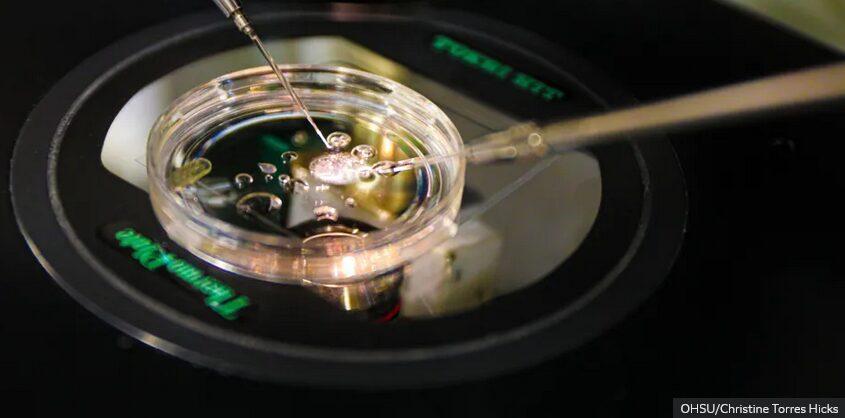
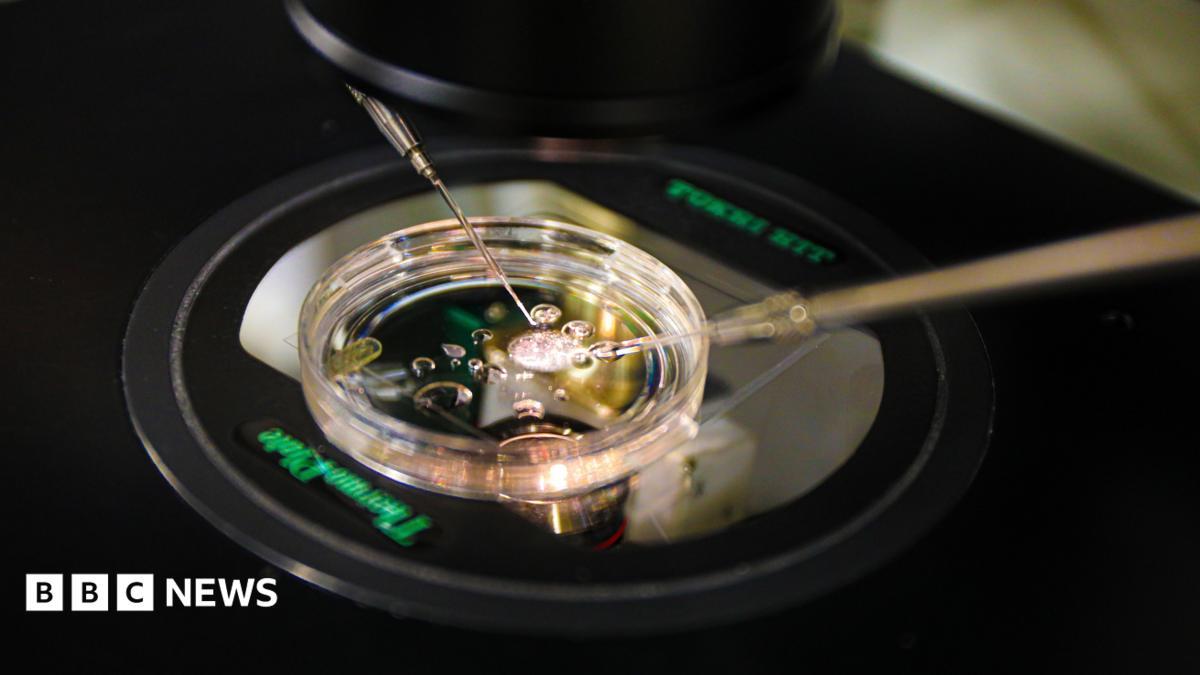
Scientists at Oregon Health and Science University have achieved a groundbreaking milestone in reproductive technology by creating early-stage human embryos using DNA from skin cells. This innovative technique, known as in vitro gametogenesis (IVG), involves extracting the nucleus from a skin cell and inserting it into a donor egg that has had its genetic material removed. The egg is then fertilized with sperm, resulting in embryos that developed up to six days.
“Scientists at Oregon Health and Science University have developed a groundbreaking technique to create functional eggs from skin cells.”
This method could potentially revolutionize infertility treatments, offering hope to individuals who are unable to conceive due to age or medical conditions, and even enabling same-sex couples to have genetically related children. However, the embryos did not survive beyond six days, indicating that the technique requires further refinement before it can be used clinically.

Novel Egg Cell Division Process
The process, termed "mitomeiosis," combines aspects of mitosis and meiosis to ensure the resulting egg has the correct number of chromosomes. This is a critical step since skin cells naturally contain 46 chromosomes. This novel cell division process reduces the chromosome number by half, making the egg ready for fertilization.
Despite the promising results, the embryos exhibited chromosomal abnormalities. Less than 9% of the embryos reached a stage suitable for potential uterine transfer. This highlights the significant challenges that remain in producing genetically normal eggs, which is crucial for the technique's success in clinical applications.

Advances in Reproductive Medicine
The research, published in the journal Nature Communications, represents a significant step forward in the field of reproductive medicine. It builds on previous techniques such as somatic cell nuclear transfer, famously used in cloning Dolly the sheep.
“The study, published in Nature Communications, used somatic cell nuclear transfer—a method previously used in cloning Dolly the sheep.”
The study produced 82 developing eggs, of which only a small percentage developed into embryos suitable for potential implantation. Experts in the field have praised the breakthrough but caution that it will take at least a decade of further research to refine the technique and address ethical concerns before it can be considered for clinical use.
Ethical and Practical Implications
The potential applications of this research are vast, including treating infertility in older women, individuals who have undergone cancer treatments, and same-sex couples. However, the ethical implications of creating human embryos from skin cells are significant and require careful consideration.
Experts emphasize the need for public dialogue and ethical oversight as this technology progresses. The research adheres to current US ethical guidelines, but as the technology evolves, regulatory frameworks must also be updated.