Techonology and Science27 January, 20262 min read
Airports Across Asia Ramp Up Health Screenings After India Confirms Two Nipah Virus Cases
This article is an automated aggregation of coverage from news outlets. Our editorials offer in-depth analysis curated by the NewsCord team.
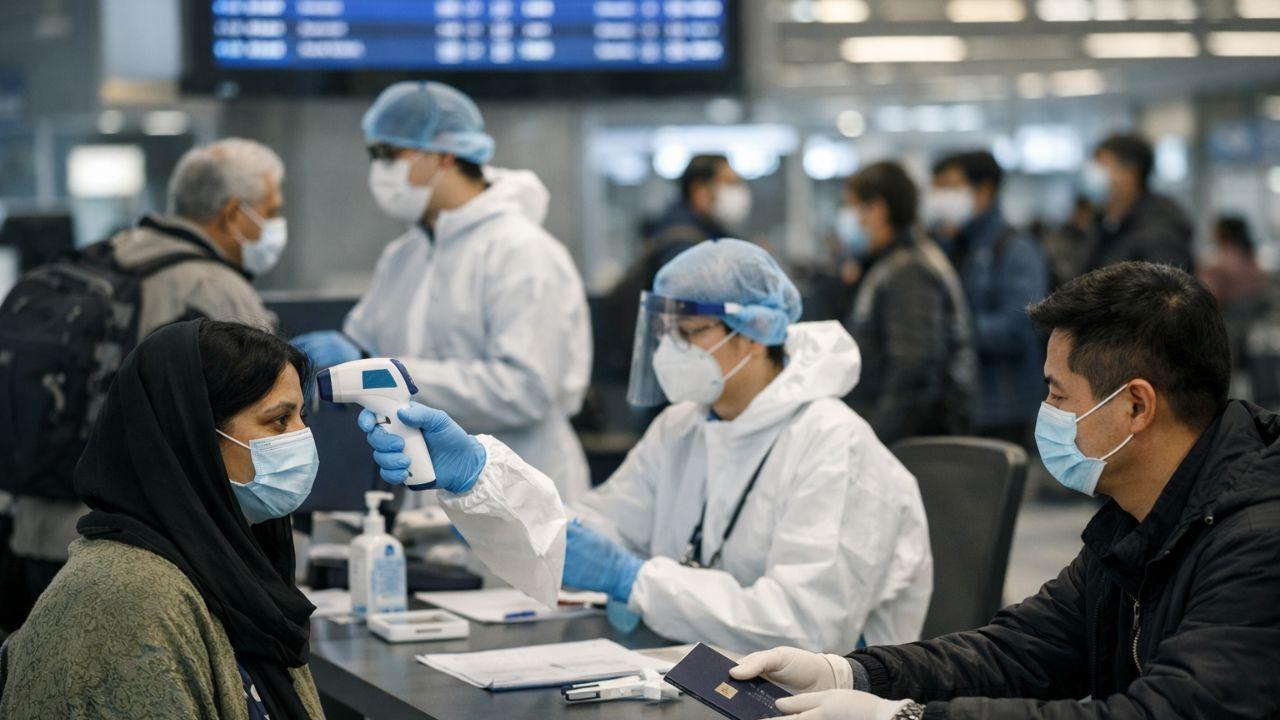
India confirmed two Nipah virus cases in West Bengal, both healthcare workers. Thailand, Singapore, Nepal, Taiwan, and Malaysia implemented fever screening at airports and border checkpoints.

39 outlets told this the same way.
Nipah outbreak in West Bengal
Indian health authorities and international outlets report a small, contained Nipah virus event in West Bengal. The event has prompted stepped-up screening at airports across Asia. Several mainstream outlets say India has confirmed two cases and traced nearly 196 contacts.
“Indian authorities say a Nipah virus outbreak in West Bengal has been contained after two cases were confirmed since December.”
Reporters describe the situation as contained while regional authorities reintroduced pandemic-style checks at arrival points. Infections were detected among healthcare workers at a private hospital in Barasat, near Kolkata, prompting intensified containment and surveillance. Neighboring countries quickly heightened airport and border screening in response.
Nipah clinical profile and care
Nipah's clinical profile and treatment limitations are emphasized across sources. Health authorities and experts warn of high fatality rates and the absence of specific treatments or licensed vaccines, making early detection and isolation primary control measures. Reports repeatedly cite severe presentations such as encephalitis, respiratory distress, and other neurological complications.
Case fatality estimates vary roughly between 40% and 75% depending on the outbreak and response. Coverage stresses supportive care and strict infection control in hospitals because no widely available antiviral or vaccine exists.
Regional travel health measures
Airports and border posts across the region have reinstated or intensified measures focused on symptomatic screening, health declarations and readiness to isolate suspected cases. Hong Kong and Singapore have introduced temperature checks and enhanced airport screening. Thailand has set up designated parking bays and requires health declarations.
“Singapore will add temperature screening for flights from affected Indian areas and is coordinating with South Asian counterparts and on establishing a global genome‑reporting platform.”
Taiwan is considering assigning Nipah the highest-level notifiable status. Nepal has tightened screening at both airports and land borders. Authorities say these steps aim to detect symptomatic travellers rapidly and protect healthcare systems from nosocomial spread.
Conflicting case reports
Early reports varied on the number of cases and the immediate clinical severity, producing confusion in initial coverage.
Some outlets initially cited five cases at a Kolkata hospital before later confirmations reduced the official total to two, while tabloids and some local reports emphasized higher counts and critical patients and national health authorities and mainstream outlets consistently reported two confirmed cases with extensive negative testing among contacts.
Nipah guidance and risks
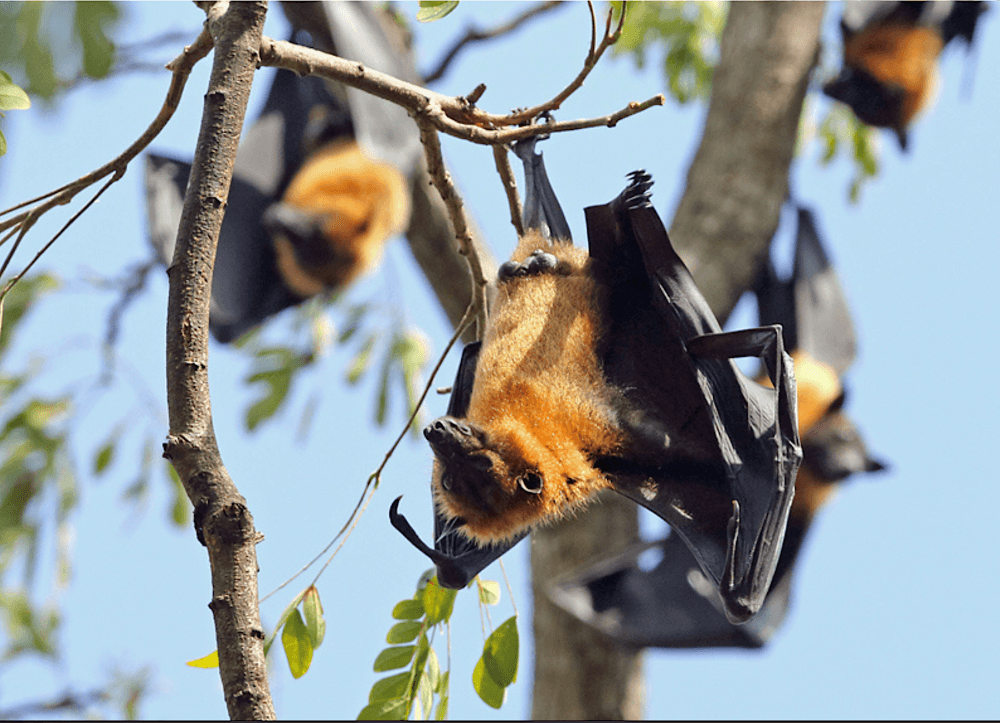
Public-health messaging and expert commentary across the region stress vigilance without panic. Officials advise avoiding contact with bats and with unwashed or partially eaten fruit, practising hygiene around livestock, and following screening instructions at ports of entry.
“India's health ministry advised strict hygiene: wash fruit, boil or treat drinking water, protect livestock feed and water from bats, and avoid unwashed or half‑eaten fruit or contact with bats or sick animals.”
Experts say the current event does not yet show evidence of a broader public-health threat. At the same time, some scientists warn of the risk of mutation, and the WHO's designation of Nipah as a priority pathogen keeps preparedness high.