Full story
First sea drone combat
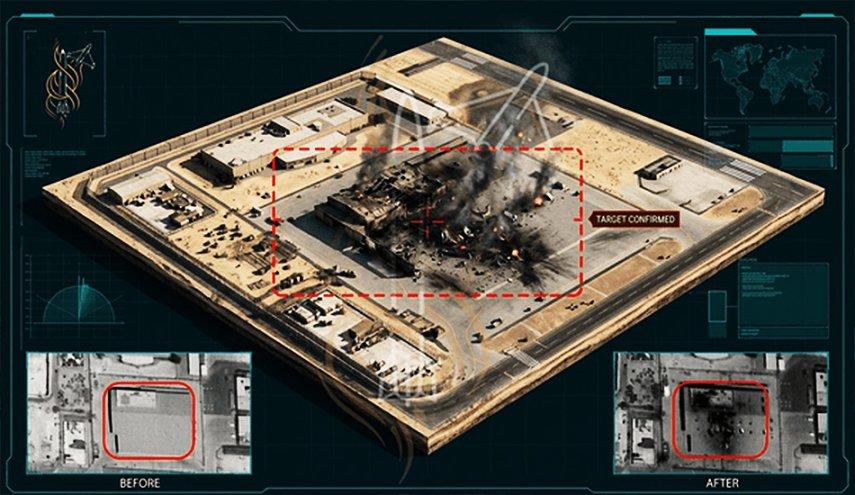
The United States used one-way attack sea drones in combat for the first time on Sunday, striking a submarine and ship maintenance facility at the Bandar Abbas Naval Base in Iran’s Strait of Hormuz, according to U.S. Central Command.
“WASHINGTON — US forces used unmanned surface vessels (USVs) for the first time in combat operations— striking a submarine and ship maintenance facility in Iran on Sunday, according to US Central Command (CENTCOM)”
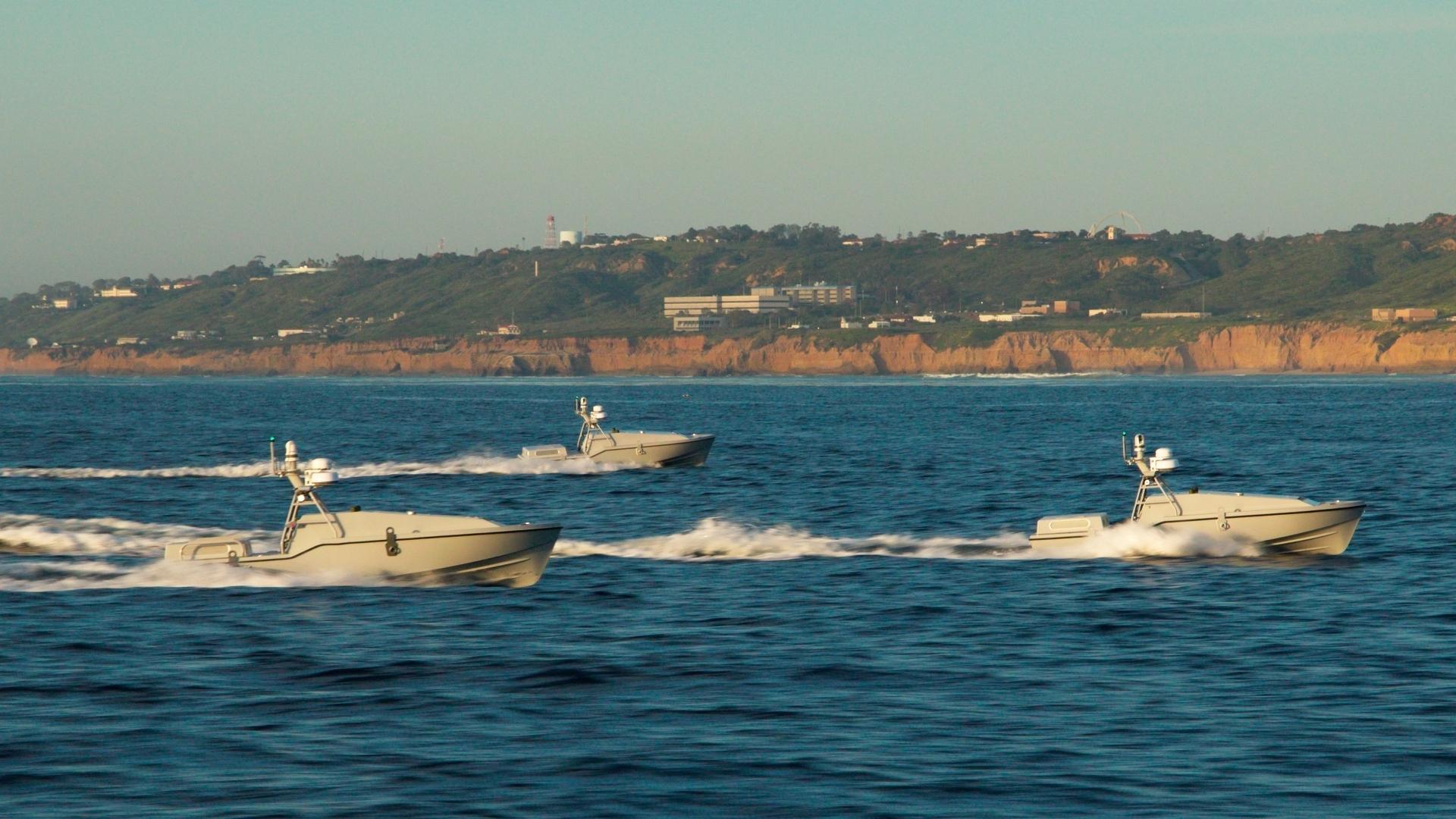
CBS News reported that CENTCOM said forces used multiple sea surface drones to strike the facility, and a video released by CENTCOM showed three small sea drones speeding toward a raised dock before exploding.

France 24 said the attacks came as the U.S. “pounded Iran’s southern port city of Bandar Abbas” after Tehran and Washington renewed missile strikes last week, and it described the drone attack as an “unprecedented sea drone attack on a submarine maintenance facility.”
The Jerusalem Post wrote that CENTCOM said “Three Corsair unmanned surface vessels hit the port at Bandar Abbas Naval Base,” marking the first time American forces employed sea drones in combat operations.
CENTCOM said the strikes “degraded Iran’s ability to continue attacking commercial shipping,” and the attack was carried out as part of a broader wave of bombardments described by El Mundo.
Technology and statements
CENTCOM said the operation used Corsair-type uncrewed surface vessels, and CBS News reported that Saronic, a Texas-based weapons manufacturer, said its 24-foot Corsair Autonomous Service Vehicle was used in the attacks.
In a statement to CBS News, Captain Tim Hawkins said, “Quickly equipping our warfighters with cutting-edge capabilities enhances combat effectiveness,” framing the first combat use of the sea drones as a U.S. Central Command priority.
France 24 described the U.S. as launching drones after Tehran renewed attacks on freighters crossing the narrow waterway through what it describes as “unauthorised” routes, while the U.S. urged container ships to take an alternative route along the Omani coast.
The Jerusalem Post added that CENTCOM said it had struck Iranian military air-defense systems, coastal radar sites, missile and drone capabilities, and small boats using “US fighter aircraft, naval vessels, one-way attack aerial drones, and one-way attack sea drones for the first time.”
In response to the broader exchange, Masrawy reported that U.S. Defense Secretary Pete Hegseth said the United States would carry out new strikes on Iran tonight if Trump asked him to, while Iran’s Supreme Leader’s adviser Ali Akbar Velayati said Iran had previously warned that “the region is not a playground for the political gambling of small states,” stressing “any adventure will be met with an immediate response.”
Strait of Hormuz stakes
France 24 said Bandar Abbas has become a prime target because it is home to Iran’s Navy and the naval arm of the Revolutionary Guards, and it described the port city as holding a “peerless strategic position” on the northern shore of the Strait of Hormuz.
The same report said the Memorandum of Understanding signed in June declared Tehran would dedicate its “best efforts” to allowing commercial vessels to safely transit the strait for 60 days, while Iran and Oman would agree on the “future administration” of the strait.
El Mundo said the maritime drone assault foreshadows what is to come as fighting resumes after the failure of peace negotiations with Tehran, and it described the unmanned-boat attacks as reaching Bandar Abbas Naval Base in a kamikaze mission.
In parallel, Stars and Stripes reported that Trump said the U.S. would reinstate the naval blockade of Iranian ships in the Strait of Hormuz, and it quoted his post that “The Hormuz Strait is OPEN, and will remain OPEN, with or without Iran.”
The Jerusalem Post also cited estimates that about 20% of the world’s oil moves through the chokepoint and about 20% of the world’s liquefied natural gas, while it described Iran as estimated to have between 2,000 and 6,000 naval mines in the Strait of Hormuz.