Full story
Heavy strikes, pledged retaliation
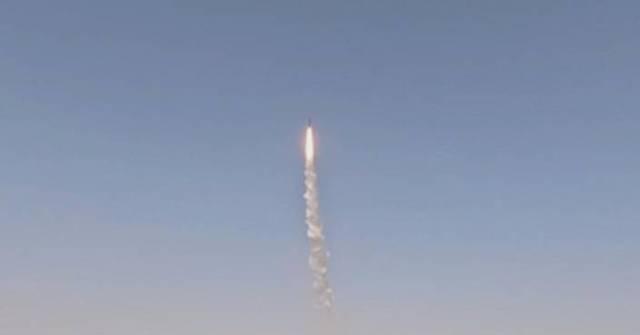
Iran vowed to “punish” the United States on Thursday after the American military said it had completed a “heavy wave of strikes” overnight, the latest retaliation for an attack by Tehran on U.S. forces in the Middle East.
“Iran vowed to “punish” the United States on Thursday”
The U.S. military said it completed a “heavy wave of strikes against Iran” in response to what it described as an “attempted surprise attack” on American forces, with CENTCOM saying dozens of IRGC targets were struck over two hours.

Iran’s Revolutionary Guard signaled the flare-up would not end there, warning early Thursday that “the aggressor will be punished today” following the U.S. strikes.
The renewed fighting shattered a brief period of calm that had seen the two sides engage with a push to revive diplomatic efforts and stave off dramatic new escalation, while Jordan said it intercepted a new barrage from Iran and Kuwait said an Iranian strike hit a building belonging to a Chinese company, killing one worker.
Targets, deaths, and wider reach
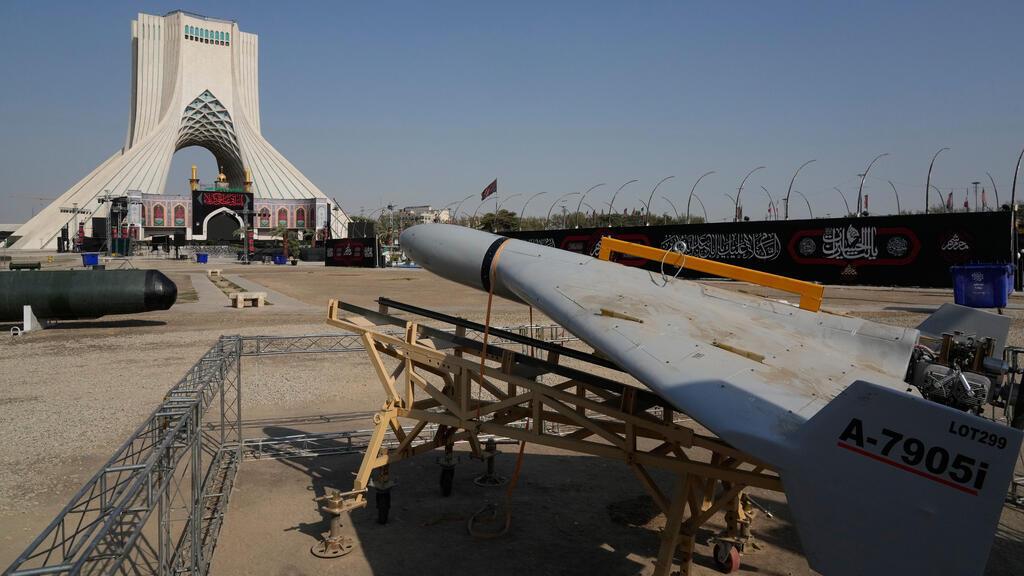
CENTCOM said its strikes hit “military command centers, missile and drone facilities, coastal surveillance and defense sites, and maritime capabilities,” and the fighting was reported in cities across Iran.
NBC News reported that three IRGC members were killed in the northwestern Zanjan province, and that a toddler was among three people killed on the island of Qeshm in the Strait of Hormuz, where the state-owned IRIB news agency reported the deaths.

Al Jazeera said CENTCOM struck dozens of IRGC targets overnight on Wednesday and that the IRGC told Kuwait and Jordan it would hit back against the “aggressor,” while Kuwait said one worker was killed after a building belonging to a Chinese company was targeted.
The conflict’s geographic footprint expanded as Egypt confirmed Thursday that a drone ignited fires on two natural gas vessels at the Mediterranean port of Damietta, and the BBC framed the broader context as a limited war that could suit Iran better than peace while the Strait of Hormuz remained a focal point.
Diplomacy stalls as sanctions tighten
As the strikes continued, the U.S. said it had turned around 24 commercial ships in Iran blockade enforcement since restarting a blockade on Iranian ports earlier this month, and it said it had boarded two ships accused of violating it and fired at two other ships to disable them.
“redirected 24 commercial vessels since restarting a blockade”
The U.S. Treasury sanctioned Mahan Air, Iran’s biggest airline, and said in a statement that it had “long played a central role” in enabling the IRGC-Qods Force, including providing travel services for IRGC‑Qods Force personnel and supporting Iran’s procurement and transport of unmanned aerial vehicle (UAV) systems and weapons.
Pakistan insisted negotiations between Iran and the United States were ongoing, with foreign ministry spokesman Tahir Andrabi telling reporters in Islamabad that “Negotiations between parties are ongoing, particularly on (the) Strait of Hormuz and to de-escalate,” even as Washington carried out a “heavy wave of strikes.”
In Washington, Senate Democrats failed again on an Iran vote as the Senate rejected the latest war powers resolution in a 50-49 vote, with just three Republicans—Sens. Susan Collins of Maine, Lisa Murkowski of Alaska and Rand Paul of Kentucky—joining Democrats.