Full story
Strikes, Closure Claims
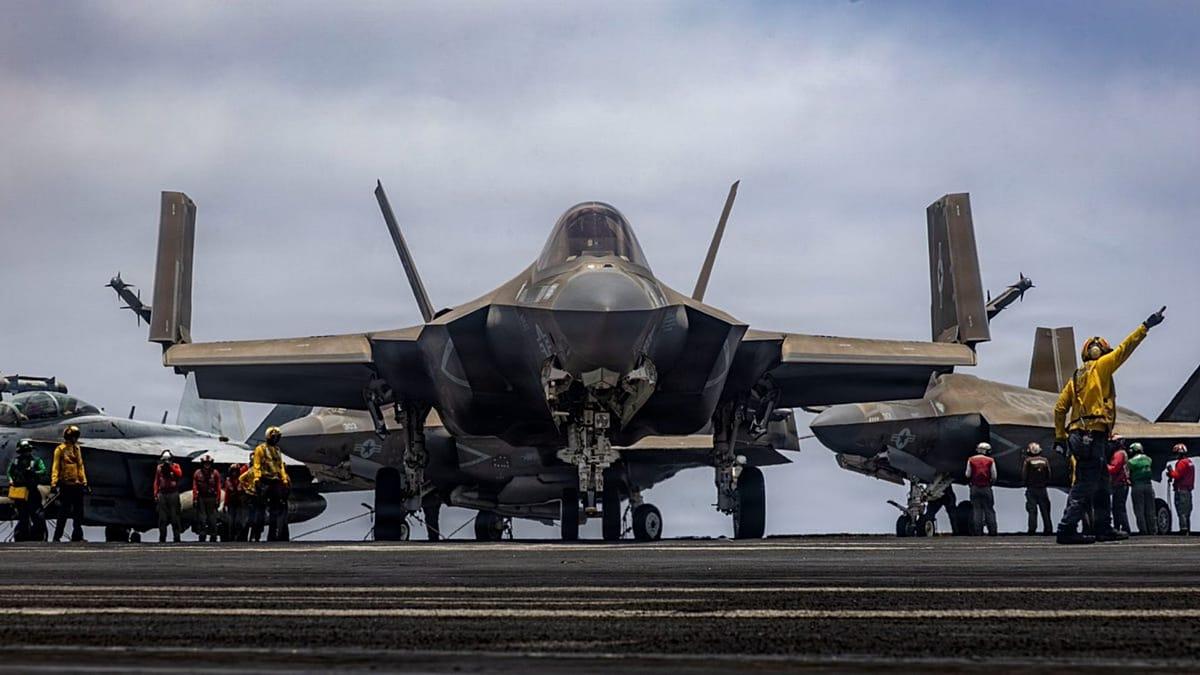
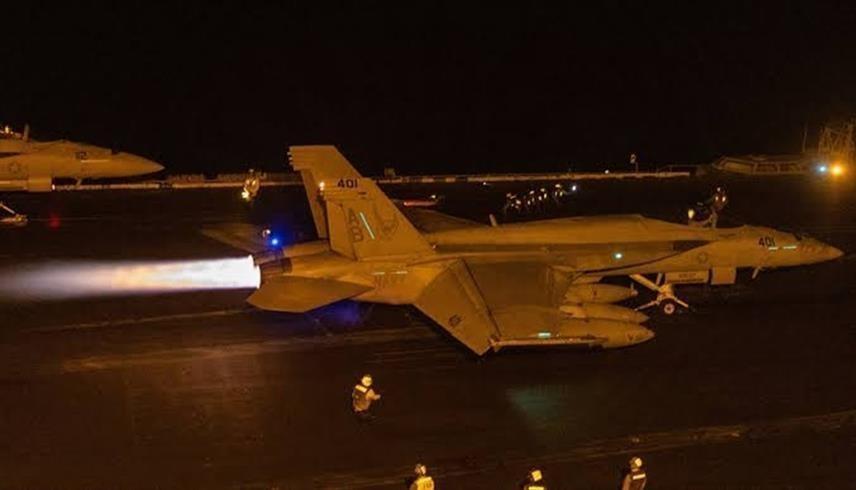
The United States and Iran exchanged fire for the third weekend in a row, with U.S. strikes stretching into Monday as Iran responded to U.S. attacks by targeting U.S. allies in the region.
Iran announced the closure of the Strait of Hormuz, and the latest volley of strikes began on Saturday when Iran fired at and disabled a commercial ship passing through the strait and said it was closing the vital waterway completely.

U.S. Central Command said it had completed another round of strikes on Iran by 10.30 p.m. ET, and Iran’s Revolutionary Guard said Monday it targeted U.S. bases and outposts in Jordan, Bahrain and Kuwait with missiles and drones.
Trump rejected Iran’s claim that the strait was closed, telling NBC’s Meet the Press, "It's open. We bombed the hell out of them last night," after Iran said it responded to American strikes with fire toward Jordan and other Gulf states.
Voices, Tolls, and IMO
U.S. Central Command said it began a third consecutive night of strikes against Iran at 4.45pm ET, and it posted on X that "These strikes will continue imposing a heavy cost on Iranian forces" in the Strait of Hormuz.
Donald Trump said in a radio interview, "We’re going to hit them very hard tonight, and we’re going to hit them hard tomorrow," while the Guardian reported Iran’s foreign minister Abbas Araghchi mocked Trump’s vow to impose hefty charges on all cargo shipped through the strait.

Araghchi wrote, "Iran has always been the GUARDIAN of the Strait and will remain so FOREVER. 20% is of course too much. We will be fair," and the International Maritime Organization said passage through the strait "should remain free of any tolls and charges, in accordance with international law."
The Guardian also reported that the IMO Council condemned attacks on civilian commercial ships in and around the strait and called for de-escalation of tensions in the region, while the U.S. said it would reinstate its blockade of Iranian ports and start charging fees on ships transiting the waterway.
Blockade Resumes, Markets at Risk
U.S. Central Command said it would resume blockading maritime traffic entering and exiting Iranian ports on July 14 at 4 p.m. ET, and it added that it would enforce the blockade against vessels transiting to or from Iranian ports and coastal areas.
“The US military says it has begun a third night of strikes against Iran, hours ahead of a planned reinstatement of a naval blockade on Iran announced by President Donald Trump”
Iran pushed back against Trump’s declaration, with IRGC spokesman Ebrahim Zolfaqari saying in part that Iran "will under no circumstances allow the United States to interfere in the management of the Strait of Hormuz" and "will deal forcefully with any disruption to the passage of commercial vessels and oil tankers" by the U.S. military.
Oil prices climbed steadily all day amid the escalating rhetoric, and CBS News reported Brent crude was trading at just over $83 per barrel for September deliveries as of 5 p.m. ET while WTI traded at $78 per barrel for August deliveries.
The dispute over whether the strait is open also threatened the interim ceasefire agreement, with the Star reporting that "No commercial vessels have crossed the vital waterway since yesterday evening" and that ship-tracking data showed eight crossed on Sunday down from 21 on Saturday.