Full story
Seventh Night of Strikes
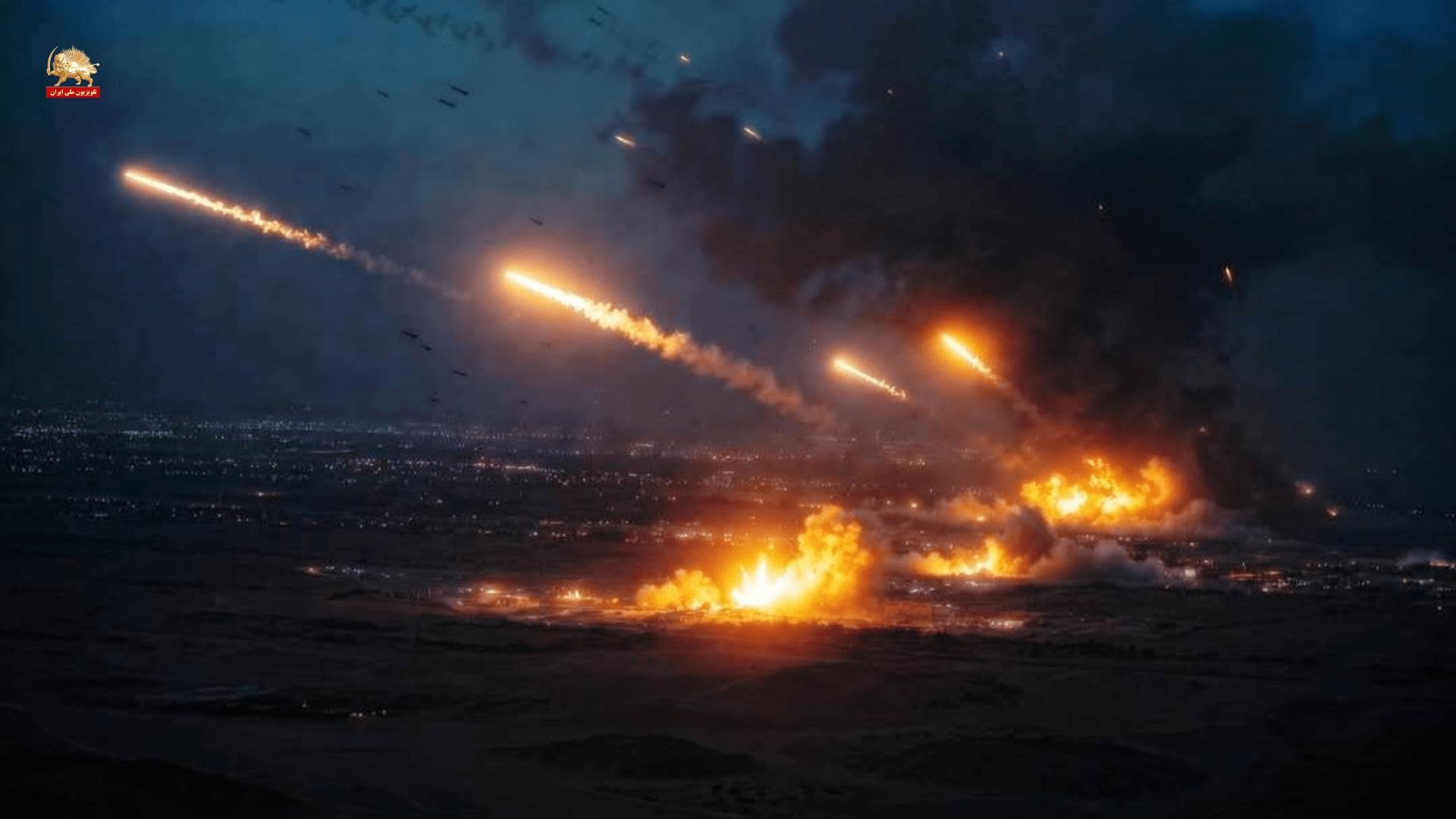
The United States launched a seventh consecutive night of strikes on Iran, with CENTCOM saying the attacks were designed to continue degrading Iranian military capabilities, and the directive came after a week in which a ceasefire with the United States collapsed and fighting resumed in southern Iran and the Strait of Hormuz.
Iran’s state-run IRNA news agency said seven people were killed in strikes on bridges in Bandar Khamir, while Iranian media reported that five bridges in Hormozgan province were hit along with the railway station in the coastal city of Bandar Khamir and Iranshahr airport in southeastern Iran.

DW said the U.S. strikes on bridges in the southern Iranian port city of Bandar Khamir killed at least seven people, and it also reported that only eight ships were confirmed to have crossed the Strait of Hormuz on Thursday, the lowest number of crossings in three weeks.
In the same reporting cycle, the U.S. Central Command said fighter jets, drones and warships used precision weapons against dozens of military targets, including coastal surveillance and air-defense sites, military logistics infrastructure and maritime capabilities on Qeshm Island and near Bandar Abbas, and it said the strikes could expand further.
Media Limits and Warnings
Tehran directed media outlets to “refrain from publishing vital information,” avoid creating “fear and alarm among the public,” and withhold details about the extent of destruction or its impact on the delivery of public services, saying such information could be used “by the enemy to assess the effectiveness of its attacks.”
The directive also instructed media outlets to obtain information through the most senior provincial official responsible for any institution or facility that had been hit, and it ordered that disruptions to public services be described using phrases such as “the issue is under review and being resolved,” rather than reporting the extent of damage.

Al Jazeera reported that Major-General Mohsen Rezaei warned Tehran would move beyond retaliatory, like-for-like responses and enter a phase of “offence and complete destruction” if U.S. attacks did not cease, adding that “Iran will no longer limit itself to retaliatory, like-for-like responses.”
In parallel, BBC reported that Spokesperson for Iran’s Foreign Ministry Ismail Baghaei said that in Thursday night’s U.S. attacks on several bridges and residential areas in Hormozgan Province, eight people were killed, and he accused the United States of targeting civilian infrastructure and committing “war crimes.”
Infrastructure Stakes Across the Gulf
As the conflict widened beyond Iran’s borders, AP said Iranian strikes on Friday hit a power and water desalination plant in Kuwait, damaging a large number of power generation units and sparking a fire that Kuwaiti authorities said had been contained while emergency contingency plans were activated.
“The United States Army has launched a seventh consecutive night of strikes on Iran, as a military adviser to the Iranian supreme leader warns of a full-scale offensive if US attacks continue”
AP reported that in Kuwait, about 90% of drinking water comes from desalination, and it said the process removes salt from seawater in a process known as reverse osmosis, while it warned that attacks on such facilities could interrupt production and leave major cities unable to sustain their current populations.
France 24 said Tehran announced eight deaths in strikes that hit civilian infrastructure, while it also reported that Gulf states allied with Washington came under attack, including a strike on a power plant in Kuwait, and it quoted IRGC Aerospace Force commander Majid Mousavi vowing that Tehran will not stop its attacks in the region until the United States stops its strikes on Iran’s southern coast and the Strait of Hormuz.
In the same broader escalation, DW reported that Kpler said only eight ships were confirmed to have crossed the Strait of Hormuz on Thursday, compared with more than 130 daily before the war started, and it said the dispute over control of maritime traffic in the key trade waterway triggered the latest bout of fighting.