Full story
Sixth Night, Infrastructure Hits
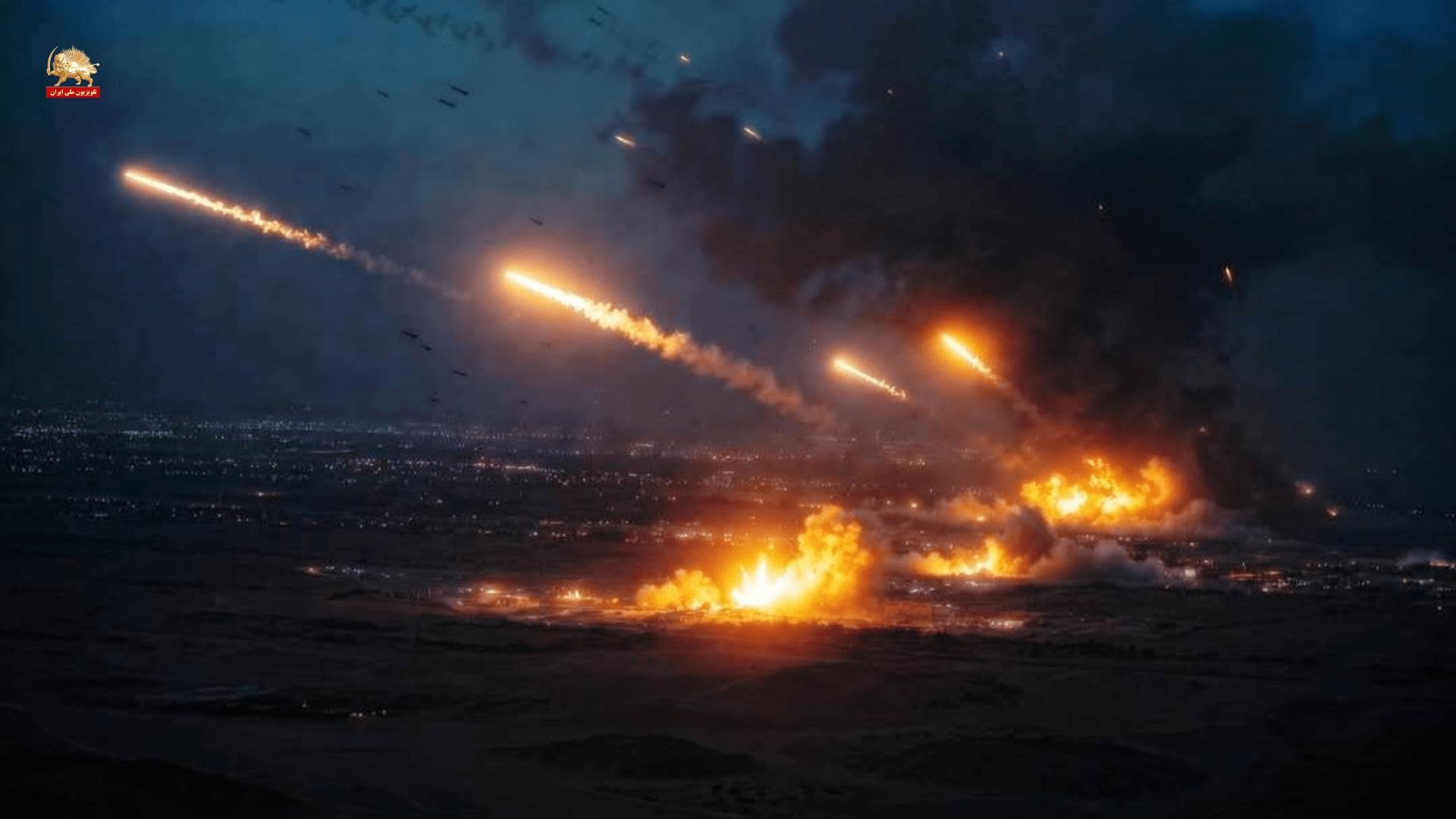
The United States struck bridges in Iran’s southern Hormozgan province and targeted electrical infrastructure and Iranshahr airport, while Tehran said it had hit a power and desalination plant in Kuwait as the confrontation widened beyond military sites.
“The United States has expanded its military campaign against Iran, with Tehran accusing Washington of striking civilian infrastructure as US forces carried out a sixth consecutive night of attacks”
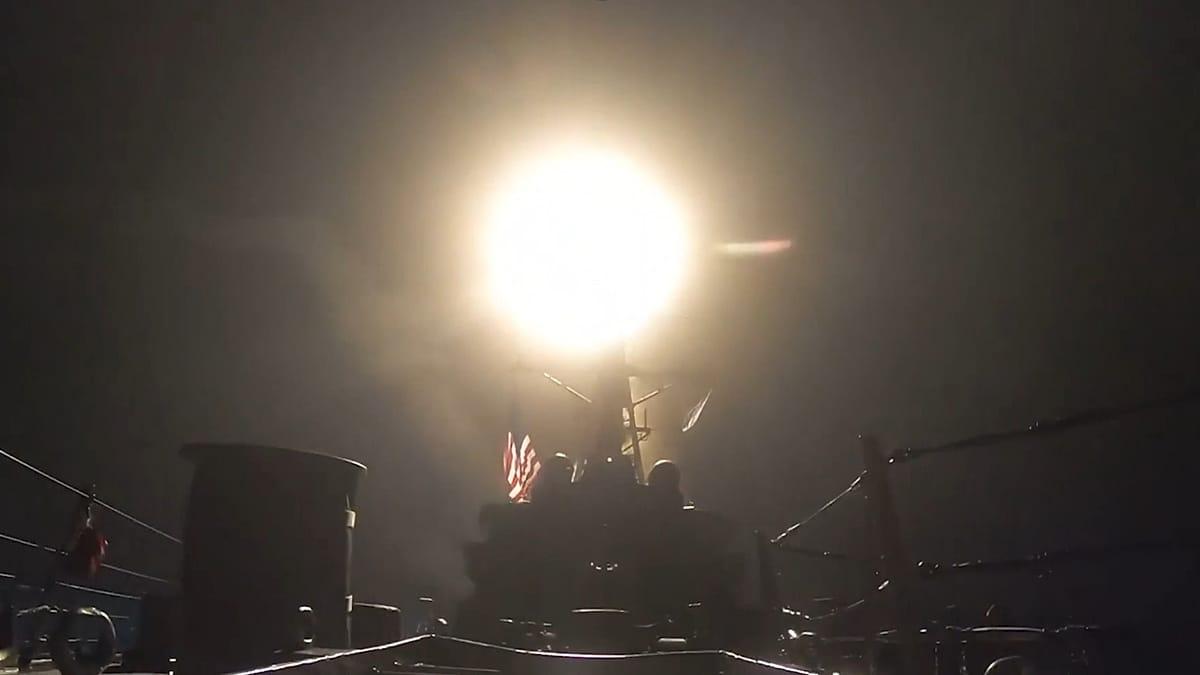
CENTCOM said its forces struck “dozens of military targets, including air defenses, logistics infrastructure and maritime capabilities,” as Iranian state media alleged the attacks killed eight people and wounded 20.

Iran’s Foreign Ministry spokesperson Ismail Baghaei said on X that in Thursday night’s U.S. attacks on several bridges and residential areas in Hormozgan Province, eight people were killed, adding that four women and four men, including two disabled brothers, were killed.
The Guardian reported that U.S. airstrikes hit bridges in Hormozgan, killing at least seven people, and also brought down a tower in Chabahar port that the U.S. military claimed the IRGC used to facilitate attacks on vessels in the strait of Hormuz.
In the same escalation, CNBC said air raid sirens were activated in Bahrain overnight, with the country’s Defence Force saying it had intercepted multiple aerial attacks from Iran.
Competing Claims and Quotes
Iran’s Foreign Ministry said the United States committed a “flagrant war crime” by targeting bridges in the country and killing eight innocent Iranians, and Iranian state media reported eight people were killed and 20 others injured in the Kohorstān and Ghrīyeh bridges attacks in Hormozgan Province.
In response to the U.S. strikes, the IRGC threatened a “devastating price” for countries hosting U.S. bases if American attacks against infrastructure continued, saying “crossing red lines and attacking civilians and civilian infrastructure will have a very severe and devastating price to pay.”
CNBC reported that Iran’s Revolutionary Guard said it attacked a U.S. command center in Syria’s al-Tanf region, while the U.S. military said there was no immediate comment from the U.S. military or the Syrian government.
The BBC framed the U.S. campaign as continuing for the seventh night in a row, with CENTCOM saying its forces began a fresh round of attacks on Iran for the seventh night in a row.
In a separate thread of the standoff, CNBC quoted Ian Lesser saying there appears to be a risk of the U.S. and Iran becoming mired in a so-called forever war, adding that “I think in some sense this is misjudgment by the current administration.”
What Comes Next, and Who’s Affected
The conflict’s next phase is tied to infrastructure and navigation, with Al Jazeera describing how the renewed fighting coincides with a growing confrontation over the Strait of Hormuz, where Iran said it will block marine traffic entering the strategic waterway after Oman announced a new shipping transit corridor.
CNA reported that the renewed conflict has again cut off energy supplies from the Gulf, and it said U.S. Marines boarded a tanker near the Strait of Hormuz while armed men seized another vessel off Yemen near the mouth of the Red Sea.
The Guardian said renewed U.S. strikes had killed at least 38 people and wounded more than 400 in Iran by Friday morning, citing a spokesperson for Iran’s health ministry, Hossein Kermanpour.
In Kuwait, the Ministry of Electricity, Water and Renewable Energy said via social media that it had extinguished a blaze triggered by the attack and was working to assess the damage and get the station working again, as CNBC noted Kuwait is known to be overwhelmingly dependent on desalination for drinking water.
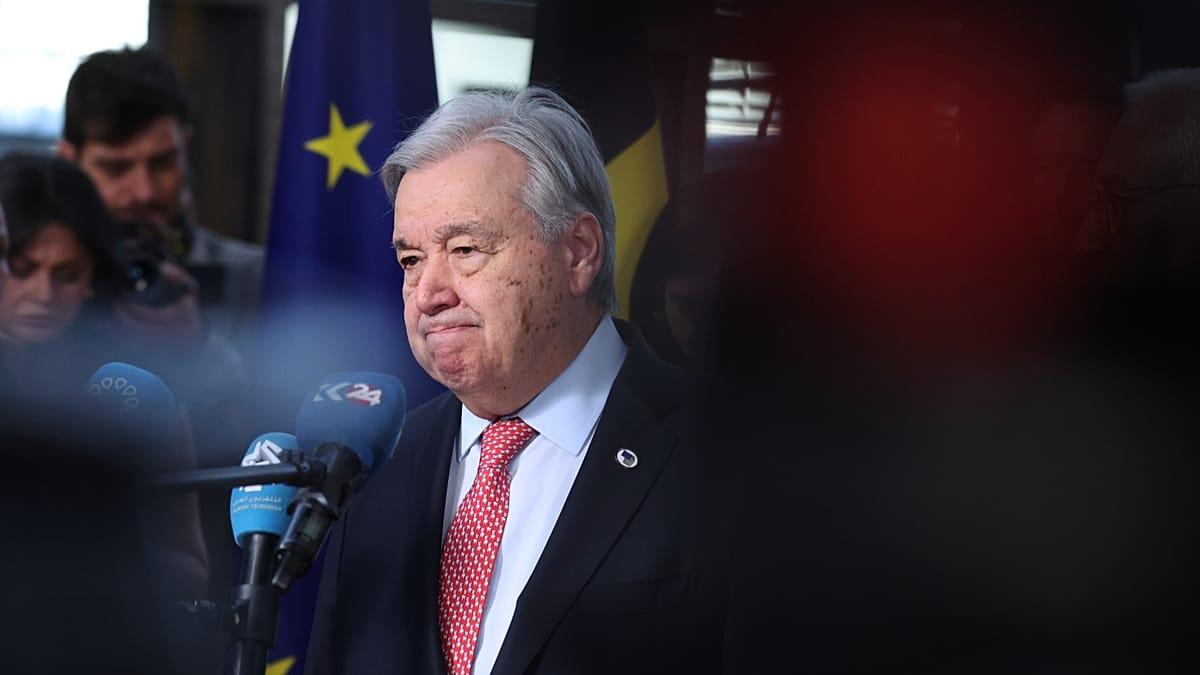
At the diplomatic level, the United Nations’ spokesperson said UN Secretary-General Antonio Guterres was concerned about escalation, particularly over “attacks on civilian infrastructure in Iran and across the region,” as the BBC continued to track the seventh-night U.S. strikes and Iranian claims of targeting U.S. vessels in the northern Indian Ocean.