Iranupdated 26m ago3 min read
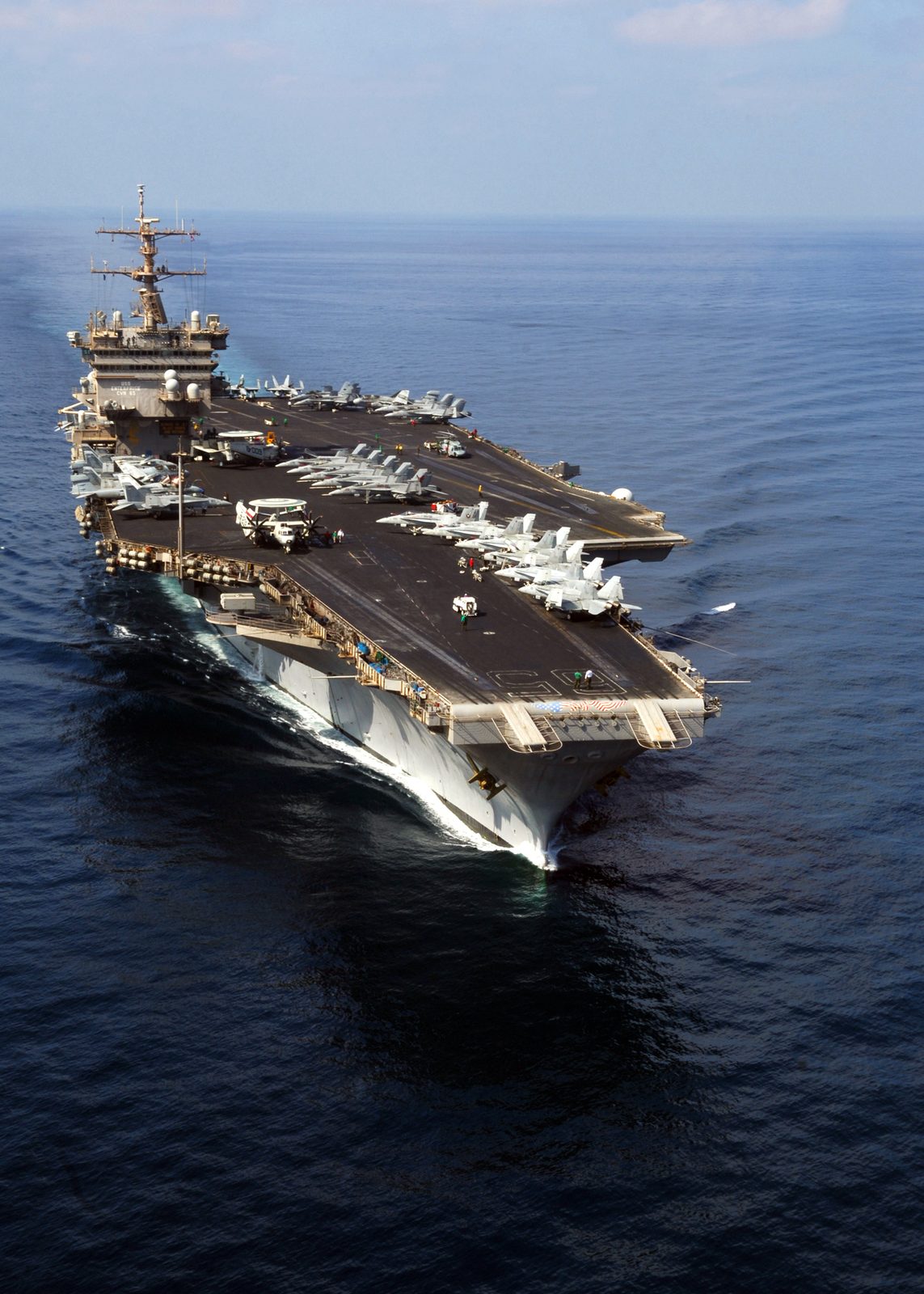
Archive photo · 11 November 2007US Warns Gulf Arab Countries To Prepare For Possible Short, Intense Iran War After Midterms
2 Asian2 West Asian1 Israeli2 Other source typesPhoto: U.S. Navy photo by Mass Communication Specialist 3rd Class Jhi L. Scott / US federal government, Public domain · Cropped for layout
This article is an automated aggregation of coverage from news outlets. Our editorials offer in-depth analysis curated by the NewsCord team.
US warns Gulf states to prepare for short, intense Iran campaign after midterms. US moves missile defenses and naval groups to Middle East as talks stall.
The Times of Israel was read line by line by the Watchdog: 0.0. See the score →
Post-midterms strike planning
The United States warned several Gulf Arab countries to prepare for a possible short but intense military campaign against Iran after the U.S. midterm elections, as Washington quietly relocated critical missile defenses and naval strike groups to the Middle East while diplomatic channels stalled over Tehran's nuclear program. The Wall Street Journal cited people familiar with the discussions as saying the preparations could give President Donald Trump the option of launching a major attack targeting Iranian infrastructure and nuclear facilities, even though he had not made a final decision. The United States reportedly moved additional missile defence equipment to Israel, including a Patriot system being transferred from Texas, while officials said U.S. forces in the region were restocking their weapons supplies and military aircraft were being readied for possible attacks.
“We may do another little Epic Fury. Or they’ll agree.”
The White House declined to comment on reports of possible military plans, saying it would not discuss sensitive matters, and it added that President Trump was keeping all options open to prevent Iran from developing nuclear weapons. The reporting also said an additional aircraft carrier strike group and a Marine expeditionary unit were expected to join the U.S. naval presence in the region next month, with Trump indicating he could consider another military operation if diplomatic efforts fail.
Gulf travel and security
CNN reported US forces could launch major operations against Iran “within 96 hours” of an order from Trump, while some officials expected any order after the US midterms on Nov. 3.
The U.S. embassies in the region ordered departures last week, and the State Department ordered non-emergency staff to leave Saudi Arabia effective Oct. 23.
Capacity growth and flight disruptions included Etihad cancelled Abu Dhabi flights to Riyadh, Dammam and Jeddah through Nov. 5 and Emirates cancelled Dubai-Riyadh, Dammam and Jeddah flights.
The UK issued fresh alerts for the UAE and 14 other countries, warning that the risk of sudden escalation “remains high” and that airspace closures and flight cancellations were no longer described as merely potential.
The UK issued fresh alerts for the UAE and 14 other countries, warning that the risk of sudden escalation “remains high” and that airspace closures and flight cancellations were no longer described as merely potential.
IAEA access and retaliation
The reporting said the possible return to airstrikes would mark a shift from the Trump administration’s economic pressure campaign, with U.S. sanctions and a naval blockade reportedly disrupting Iran’s oil exports, air connections and overland trade. The White House wouldn’t comment on “sensitive military plans that may or may not exist,” while the White House said “President Trump keeps all options on the table to ensure that Iran can never have a nuclear weapon.” Rafael Grossi, head of the International Atomic Energy Agency, told the United Nations Security Council that his agency hadn’t identified any activity to repair or reconstruct facilities damaged in the two wars, but inspectors hadn’t been allowed access to those sites and the IAEA had been unable to verify whether Iran had diverted nuclear material.
Iran warned that any new attack would trigger a strong response against economic and civilian targets across the region, and it described Iran as continuing to resist U.S. demands for concessions on its nuclear program. The White House stressed “President Trump keeps all options on the table to ensure that Iran can never have a nuclear weapon,” as the U.S. prepared for a potential short yet intensive offensive after the midterms.