Ukraine War13 September, 20263 min read
Jonathan Powell Warns Europe Of Hard Winter As Russian Attacks Hit Zaporizhzhia And Odesa
This article is an automated aggregation of coverage from news outlets. Our editorials offer in-depth analysis curated by the NewsCord team.
Powell warns Europe must endure a hard winter to maintain pressure on Moscow. Russian strikes intensify on Ukraine, damaging energy infrastructure and causing civilian casualties.
Winter pressure and attacks
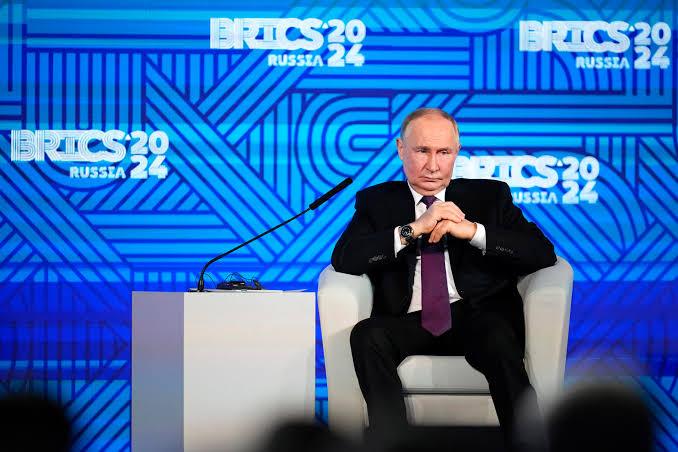
Jonathan Powell, the UK national security adviser, told a conference in Kyiv that Europe must be ready to endure "real hardship" this winter to keep up economic pressure on Russia and keep support going for Ukraine. Powell said Russian escalation was "a sign of success" because the pressure on President Vladimir Putin was finally paying off, even as round-the-clock Russian attacks damaged Ukraine's economy and raised fears about power shortages. Ukraine's minister of economy, Oleksandr Kravchenko, told the same conference that Russian attacks this year were expected to cost $10bn (£7.4bn) in destroyed infrastructure and assets and that Ukraine's GDP would contract by 1.5% with the blockade of Ukraine's sea ports curbing grain exports.
In parallel, Russian attacks continued to hit civilians, with local authorities saying two people were killed and another injured when Russian drones struck a residential area in Zaporizhzhia, and with Oleh Kiper describing a "massive attack" in Odesa that left 35 people injured. The immediate backdrop for both the security message and the battlefield pressure was Russia's targeting of Ukraine's power grid ahead of winter, as Europe prepared for a severe energy shortage after reducing dependence on Russian oil and gas.
Putin’s troop warning
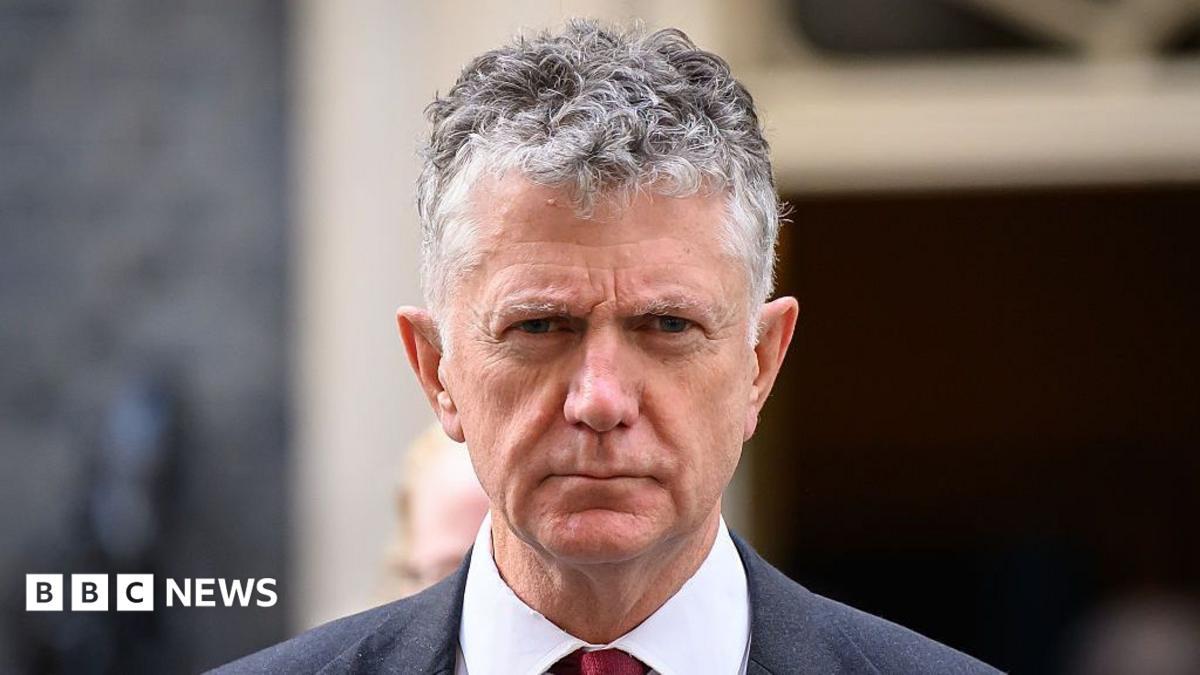
At the BRICS summit in India, Vladimir Putin warned that if European governments send troops to Ukraine it would mean “a war with Russia,” adding, "Now they are talking about considering sending troops to Ukraine. That means a war with Russia,".
The same reporting said Putin denied that Russia poses any threat to Europe, maintaining that “there is no such threat and there never has been,” while Polish Prime Minister Donald Tusk described two incidents along the Ukrainian border as an anticipation of possible intensified Russian provocations at border crossings with Europe.
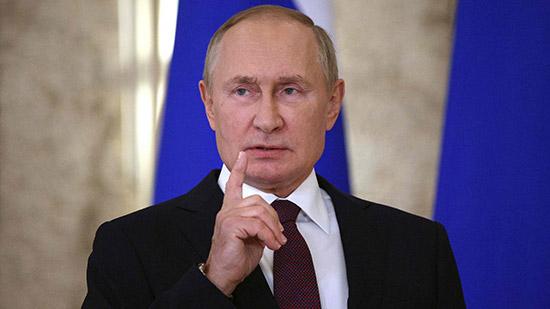
Ukraine’s President Volodymyr Zelenskyy said in an interview with Deutsche Welle published on Saturday that he would meet with Putin if both were invited to the Group of 20 summit in December in Miami, while Putin’s foreign policy adviser Yuri Ushakov said on Saturday that the possibility of the president attending had not yet been discussed.
In Kyiv, Powell told the Yalta European Strategy forum that Europe should not take its "foot off the gas" and insisted that pressure on Putin was working, even as he acknowledged a lack of Patriot air defence missiles and strikes on businesses.
Powell also said the so-called Anchorage compromise was "firmly dead" and that the strategy was to apply enough pressure to make Putin want to get into negotiation.
Energy stakes and negotiations
Russia’s campaign against infrastructure carried into specific regions, with a report saying an attack on facilities in Mykolaiv left several districts of the regional capital partially without electricity overnight and that authorities did not initially report any casualties from the episode. The same account said the objective of the attack was the energy infrastructure and that "As soon as the security situation allows us to begin work, the electrical engineers will start restoring the supply," while the final scope of the attack remained under evaluation. It also described a wider pattern of pressure on essential networks, saying President Volodymyr Zelensky said Russia had used almost 500 drones against Ukrainian territory and that damages accumulated during 2026 were around 10 billion dollars.
In the political track, Powell told the Kyiv conference that there were "strong reasons for optimism" and that Ukraine had "already won" because Putin would not be able to seize the whole country. Meanwhile, the reporting on diplomacy said Russia’s Foreign Minister Sergey Lavrov stated that Russia was “willing to negotiate,” but that the so-called “military operation” “will not be suspended during these negotiations,” keeping the stakes for winter readiness and continued pressure tightly linked.