Ukraine War · 07 August, 2026 · 3 min read
Volodymyr Zelensky Holds Talks With Aleksandar Vučić in Serbia to Pull Serbs From Russia
Zelensky arrives in Serbia for first visit to discuss economic ties, EU relations, and security. Serbia backs Ukrainian sovereignty and regional reconstruction; Vučić rejects harsher Russia sanctions.
Kyiv's stated aim: detach Serbia from Russia vs only generic balancing.
7 of 8 outlets skipped it: russia’s SVR accused Serbian defence firms of supplying ammunition to Ukraine via intermediaries..
20outlets compared
Same story, two versions
tap a side to read it in full
DW
“Large quantities of Serbian artillery shells have already been delivered to Ukraine”Read the original ↗
Le Courrier des Balkans
“the two heads of state are to discuss bilateral relations, economic and energy cooperation”Read the original ↗
DW emphasises arms-supply and Hill ties; Le Courrier des Balkans sticks to diplomacy.
Zelensky in Belgrade
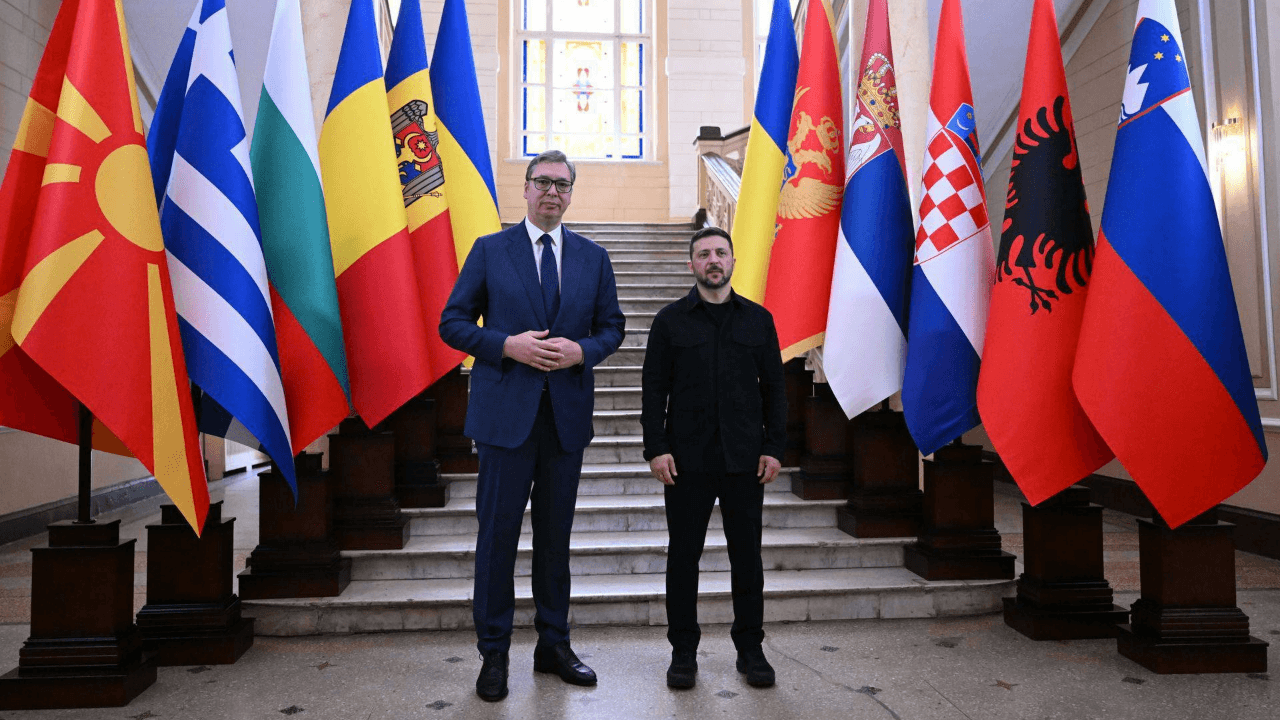
Ukrainian President Volodymyr Zelensky arrived in Belgrade on Friday for talks with Serbian President Aleksandar Vučić and Prime Minister Đuro Macut, marking his first official visit to Serbia since becoming president in 2019. Kyiv’s objective for the trip was explicitly to “pull the Serbs away from Russia’s side,” a senior Ukrainian official told AFP ahead of the visit. The visit comes as Serbia refuses to join Western sanctions on Russia over its full-scale invasion of Ukraine, even as Vučić has traveled to Ukraine and promised additional financial, medical and energy assistance to Kyiv during a July 15 visit.
Serbia’s balancing is also shaped by Kosovo, with the Kyiv Post describing how Moscow’s diplomatic backing remains highly valuable as long as Belgrade refuses to recognize Kosovo’s independence. The Kyiv Independent framed the trip as symbolic, with Zelensky writing that “Ukraine is always ready to work constructively, for mutual benefit, and on the basis of mutual respect.”

Balancing, protests, munitions
DW said the talks are likely to require careful political balancing because Serbia is widely regarded as Europe’s most pro-Russian country, while Vucic faces crucial parliamentary elections and a student-led protest movement that plans to field its own electoral list. Political analyst and pollster Djordje Vukadinovic told DW that Zelenskyy “welcomes anything that comes across as a kind of slap in the face for [Russian President] Putin,” and that the European Union “certainly played a role in making this meeting happen.” DW also reported that Zelenskyy may be looking to secure Serbian munitions, noting that large quantities of Serbian artillery shells have already been delivered to Ukraine through intermediaries despite Serbia’s opposition to anti-Russian sanctions.
In a separate account, the Kyiv Post said Russia’s Foreign Intelligence Service has publicly accused Serbian defense companies of supplying Serbian-made ammunition to Ukraine through intermediaries, alleging that hundreds of thousands of artillery and rocket rounds have reached the battlefield. The Kyiv Post added that Vučić made clear before Zelensky arrived that Belgrade still has no intention of joining Western sanctions against Russia, saying “Serbia has established its policy,” and that it “has not changed and this will remain so for the time being.”
What’s at stake next
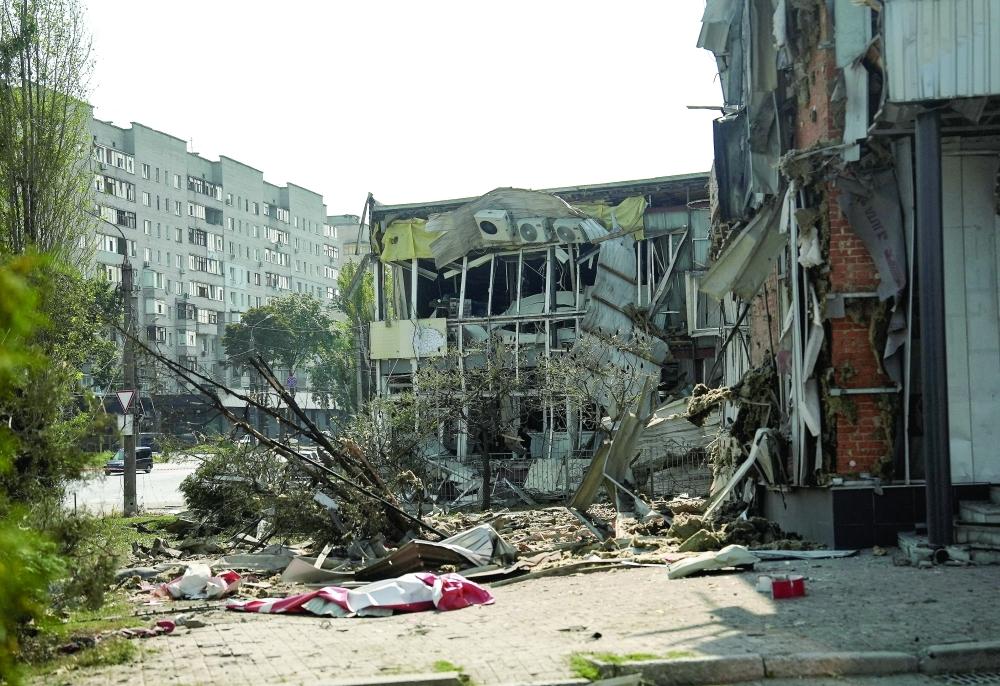
The Kyiv Post described a core constraint on how far Serbia can move, saying Kosovo remains the deepest strategic bond connecting Belgrade to Moscow and that Russia has provided diplomatic backing against Kosovo’s path toward full UN membership. It also tied the stakes to European integration, noting that EU member states account for nearly 60% of Serbia’s total foreign trade and that Serbia is an EU candidate country, making its broader economic future far more closely tied to Europe than to Russia. Radio-Canada placed the visit in the context of Ukraine seeking international support as Russian strikes intensify, saying Zelensky’s trip follows heavy Russian bombardments on Kyiv and the surrounding region late Friday into Saturday, killing at least three people and wounding seven.
Radio-Canada also said a senior Ukrainian official told Agence France-Presse that Kyiv’s objective was to detach the Serbs from Moscow’s camp and that Zelensky’s visit was a slap in the face for the Russians. Meanwhile, the Kyiv Post said Serbia has provided roughly €60 million in non-military assistance since Russia launched its full-scale invasion, and that Vučić promised additional financial, medical and energy assistance to Kyiv during a July 15 visit, underscoring what both sides are trying to preserve while the diplomacy plays out.