Ukraine War05 August, 20263 min read
Kyiv Runs Out of Patriot Interceptor Missiles as Russia Uses KN-23 Ballistic Missiles
This article is an automated aggregation of coverage from news outlets. Our editorials offer in-depth analysis curated by the NewsCord team.
Kyiv has run out of Patriot interceptors, constraining its air defense. Russia heavily deployed ballistic missiles, including KN-23, against Kyiv.

8 outlets told this the same way.
Kyiv’s interceptors run out
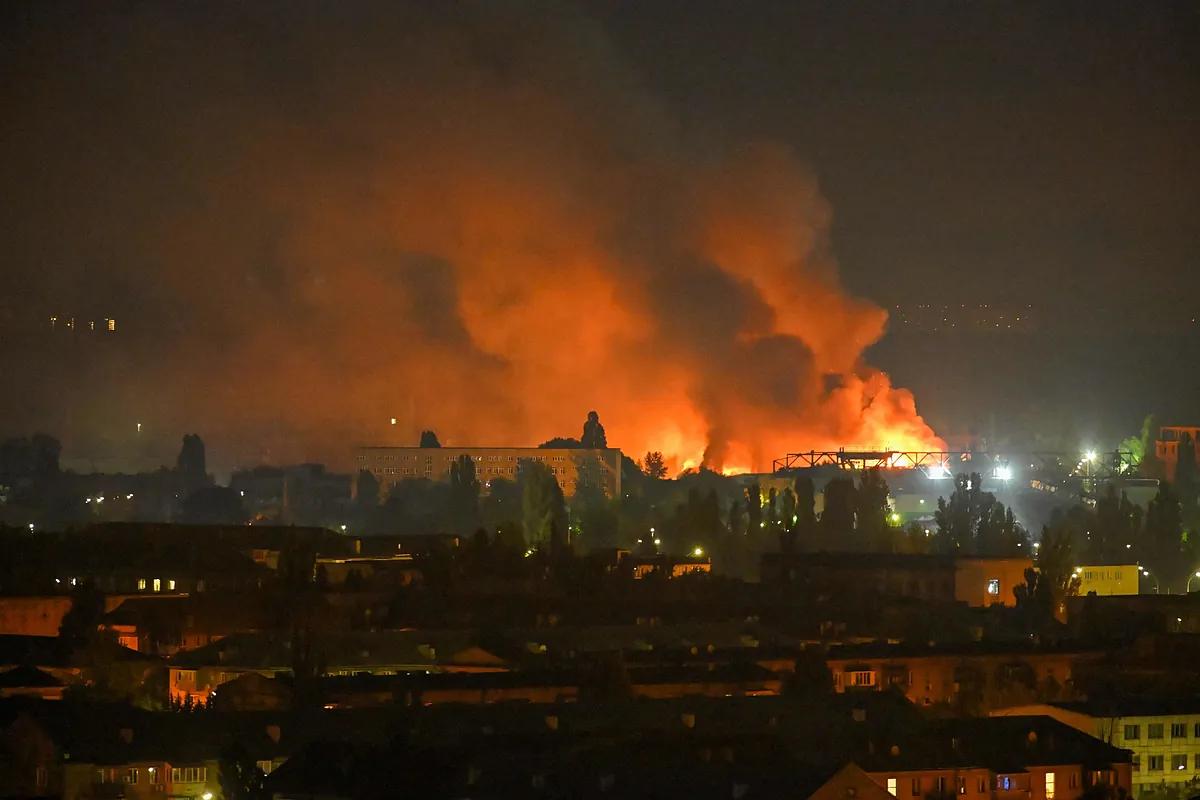
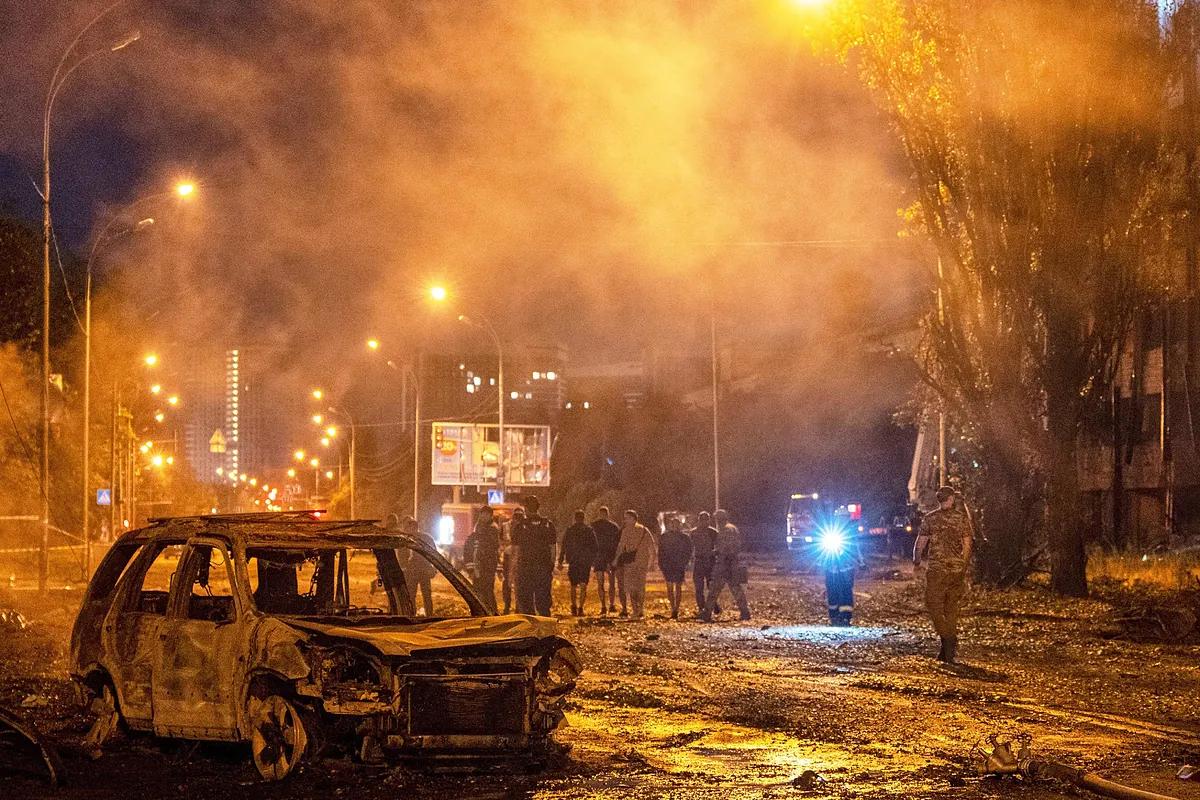
For the first time during the invasion of Ukraine, its army did not shoot down any Russian missiles in the latest attack on its capital yesterday morning, with 21 dead, as Kyiv’s army faced a shortage of Patriot interceptor missiles. El Mundo America says the main reason was that Kiev has run out of Patriot interceptor missiles, while a second reason was that Russia started to use ballistic missiles massively that require this American-origin armament to be intercepted. The same El Mundo America account describes a desperate situation in the Ukrainian capital and other major cities and says the Kremlin is using powerful North Korean ballistic missiles KN-23, purchased from ally Pyongyang, mostly against civilian targets and sometimes directly against residential blocks.
El Mundo America also links the lack of defense to the Iskander, saying Kiev currently has no defense against a type of projectile and that Ukraine is considering targeting Iskander missile launchers on land and weapons factories. In a separate report, Foreign Policy frames the debate over 300 interceptor missiles as a deeper dilemma about how Ukraine can protect its skies when supply alone cannot solve the threat, and notes that the United States will not deliver a rapid solution because Donald Trump’s administration has refused to grant Ukraine a license to produce Patriot interceptor missiles.
Zelensky and Trump clash
Ukrainian President Volodymyr Zelenskiy used the day’s casualties to argue that the missing interceptors were decisive, writing on X that “Ballistic missile interceptors could have saved the lives of those killed today.”
Foreign Policy adds that Zelenskiy has warned for months that Ukraine’s shortage of U.S. Patriot missiles is the only way in Kyiv’s inventory to reliably intercept Russian ballistic missiles, and it says the United States has stopped providing these essential weapons since the onset of the Iran war in February.
In the same Foreign Policy account, Donald Trump tried to appease Zelensky’s appeals for aid by agreeing to give Kyiv a license to manufacture Patriot missile interceptors, but on Friday Trump denied having done so and said “It is a hard thing to give away that kind of technology.”
Foreign Policy also reports that hours later Russian ballistic missiles killed at least nine people and injured roughly 28 others in Kyiv, and it says Zelensky shifted his attention to other potential suppliers by speaking separately with NATO chief Mark Rutte and British Defense Secretary Wes Streeting.
NPR similarly quotes Zelenskyy saying “Only one ballistic missile was intercepted, simply because there are no interceptors for the Patriot systems,” and it places the claim in the context of a Russia attack before dawn on Saturday that killed nine people and wounded more than 30.
What comes next for air defense
As the Patriot shortage persists, Foreign Policy says Ukraine may use around 150–180 missiles per month during Russia’s most intense attacks, meaning that for some time its air defense will have to be built with the involvement of its allies and by considering European alternatives to Patriot. El Mundo America describes the scale of the Patriot system as an engineering and logistics challenge, saying each battery is a complex ecosystem with launch vehicles with up to 16 ready missiles and that operators’ training lasts between six months and a year. El Mundo America also puts a price and production constraint on the problem, saying each PAC-3 missile costs between three and four million dollars and that Lockheed Martin and Raytheon production lines have been operating at the limit of their capacity for years with an approximate production of 620 missiles per year.
Foreign Policy, meanwhile, stresses that tactics may need to change alongside interception, saying “alongside missile interception systems, launchers, storage facilities, and the production sites where the missiles are manufactured should also be destroyed.” El Mundo America closes its account by quoting analyst Dara Massicot from the Carnegie think tank that “the Russians will not stop their attacks until they are stopped or deterred,” and it adds that German military affairs analyst Nico Lange says the lack of defense against Russian ballistic missiles remains Ukraine’s weakness.