Iran27 May, 20263 min read
White House Calls Iran’s Strait Of Hormuz Deal Claim A Fabrication After Trump Strikes
This article is an automated aggregation of coverage from news outlets. Our editorials offer in-depth analysis curated by the NewsCord team.
Iran claimed a draft framework to reopen Hormuz within a month, with US withdrawal. Oil prices fell after the claim, signaling market reaction.

New York Post was read line by line by the Watchdog: 4.1. See the score →
Hormuz deal claim disputed
Iran said it would restore shipping through the Strait of Hormuz to pre-war levels within a month under a draft framework deal with the United States that also included US forces withdrawing from the Islamic Republic and the lifting of the US naval blockade. The Iranian state television report said the United States had committed itself to lifting Iran's naval blockade and to cease harassing ships passing to or from the Islamic Republic of Iran, while the draft described the strait reopening as not unconditional and not applying to military vessels. The White House rejected the Iranian account, posting on X that the report was a "complete fabrication" and that "Nobody should believe what Iranian state media is putting out."
Hours after the US military launched new strikes on southern Iran targeting Iranian missile sites and boats attempting to place mines, President Donald Trump said he expected Iran to hand over its enriched uranium to the United States to be destroyed or have it destroyed in Iran with an international witness. Despite the escalation, Iran said on Wednesday that it seems unlikely that there could be a war between Washington and Tehran, according to the NDTV report.
Oil markets swing on talks
Oil prices fell sharply after the Iranian state TV report about a draft memorandum of understanding, with the New York Post saying crude futures were at more than $107 a barrel just over a week ago and that the new fall was a 5.6% drop.
The New York Post reported that Wednesday’s price for West Texas Intermediate was the lowest in more than a month, and it quoted John Deal of Post Oak Group saying, "Right now we’re in this really binary situation where if they make a deal, prices are going to fall back down."
CNBC said West Texas Intermediate futures tumbled more than 5% to close at $88.68 per barrel, while Brent settled at $94.29 per barrel, after Secretary of State Marco Rubio told a White House Cabinet meeting the U.S. would give talks with Iran "every chance to succeed."
Rubio also said Trump would not allow Iran to control the Strait of Hormuz as part of a deal, and Trump told the Cabinet meeting, "The strait is going to be open to everybody. It's international waters, nobody's going to control it."
CNBC added that the White House said the memorandum of understanding report was "a complete fabrication," even as negotiations were ongoing and industry veterans questioned whether oil flows would quickly return to prewar levels.
Europe weighs Hormuz security
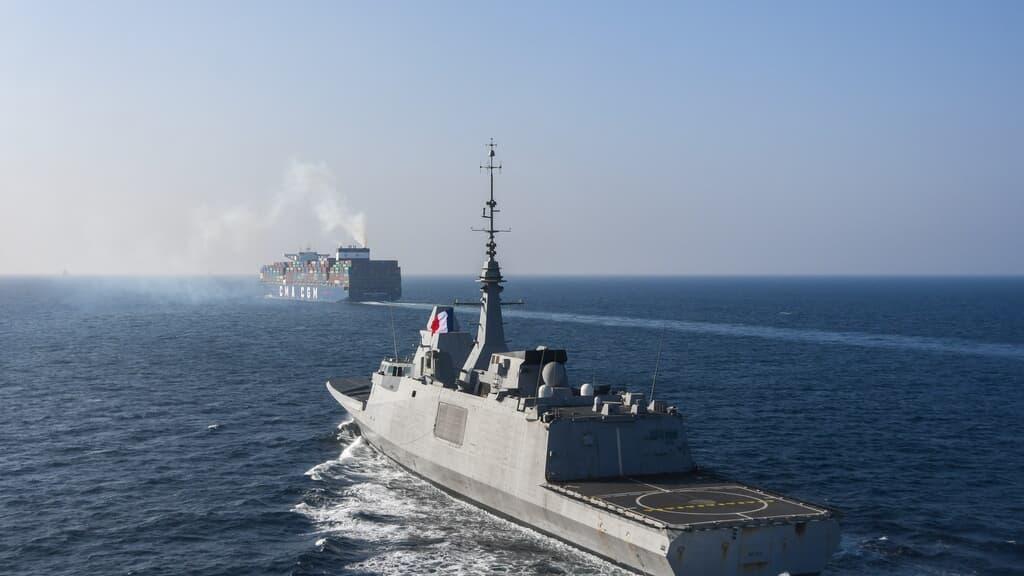
As negotiations continued, European governments debated whether to secure the Strait of Hormuz, with EU foreign ministers ruling out Monday the idea of sending the European maritime traffic protection mission Aspides into the strait, according to BFM. BFM quoted Kaja Kallas saying, "No one wants to actively participate in this war," and it reported that "for the moment, there is no will to modify the mandate of the Aspides operation," even though the mission consists of three military ships deployed in the Red Sea. The Le Monde account described European capitals after Trump asked allies to restore maritime traffic through the Strait of Hormuz, quoting Kaja Kallas in Brussels that "This war is not Europe’s war, but Europe’s interests are directly at stake."
Le Monde also reported Trump’s warning to Europeans that "If there is no response or if it is negative, I think this will have very harmful consequences for NATO’s future," tying the request to pressure on NATO’s future. In parallel, the Le Monde piece framed the European stance as refusing to be dragged into the U.S.-Israel campaign against Iran, while the BFM report said the diplomatic path must prevail for Hormuz, with Kallas saying, "As for Hormuz, I believe the diplomatic path must prevail."