Gaza Genocide21 May, 20263 min read
WHO Says Israel’s Gaza Blockade Deepens Severe Tragedy, With 72,000 Killed Since October 2023
This article is an automated aggregation of coverage from news outlets. Our editorials offer in-depth analysis curated by the NewsCord team.
WHO describes health crisis in occupied Palestinian territories as a grave tragedy. Since October 2023, health services have deteriorated amid shortages of medical supplies.
WHO: Gaza health system collapsed
The World Health Organization’s regional office for the Eastern Mediterranean described the health situation in the occupied Palestinian territories as a “severe tragedy,” warning of a deepening crisis driven by the destruction of the healthcare system and continuing shortages of medical supplies. WHO regional director Hanan Balkhy said in a statement that “more than 72,000 people have been killed and about 182,000 injured since October 2023,” and added that “in 2025 alone, nearly 26,000 additional deaths were reported.” Balkhy said that even after the October 2025 ceasefire, civilian casualties persisted and restrictions on humanitarian aid continued to hamper access to healthcare and essential medical supplies.
The WHO said no hospital in Gaza is currently operating at full capacity and that hospitals in northern Gaza have completely ceased functioning, while more than half of essential medicines are out of stock and thousands of patients remain in urgent need of medical evacuation. In the West Bank, the WHO said escalating violence and movement restrictions have further weakened the healthcare system, and that the Palestinian Authority’s financial crisis has reduced medical services to emergency-only care in public hospitals.
Aid access, hospitals, and funding
Balkhy told the World Health Assembly that “Today, no hospital in Gaza is fully functional. In the north, none are functioning at all,” while infectious diseases were spreading due to overcrowding and poor sanitary conditions.
She said “mental health needs are overwhelming” and “maternal and neonatal risks are rising sharply,” and described the West Bank situation as worsening under escalating violence and movement restrictions.
The WHO said it and its partners continue to operate under “extraordinarily difficult conditions,” and that it appealed for $648 million to fund the 2025 health response while “more than 75 percent of the appeal remains unfunded.”
Even with those constraints, the WHO said it facilitated the delivery of more than 4,000 metric tons of emergency medical supplies into Gaza and supported fuel deliveries that helped keep the health system operational.
Balkhy stressed that “humanitarian operations cannot be sustained on political statements alone,” calling for the protection of healthcare facilities and sustained humanitarian access, including the removal of restrictions delaying essential medical supplies and emergency medical teams.
Older people and hospital capacity
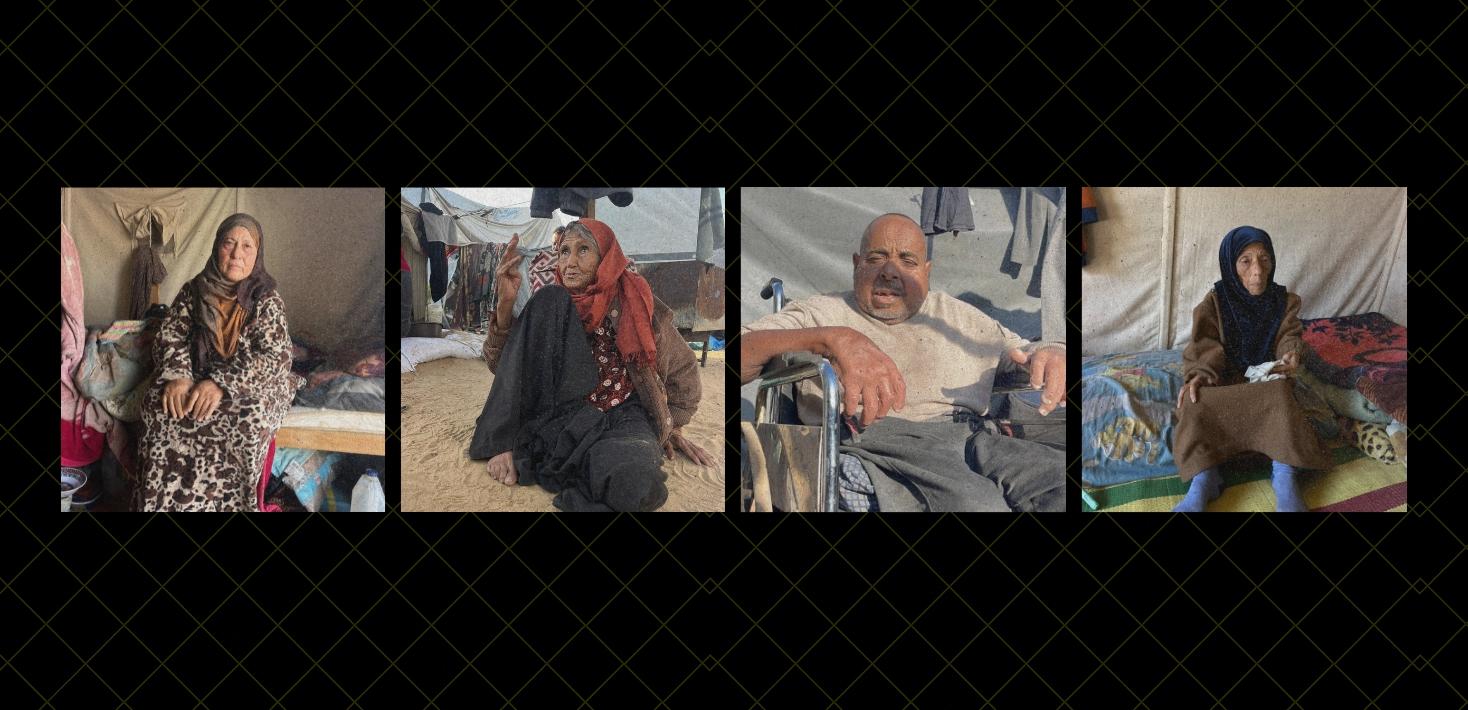
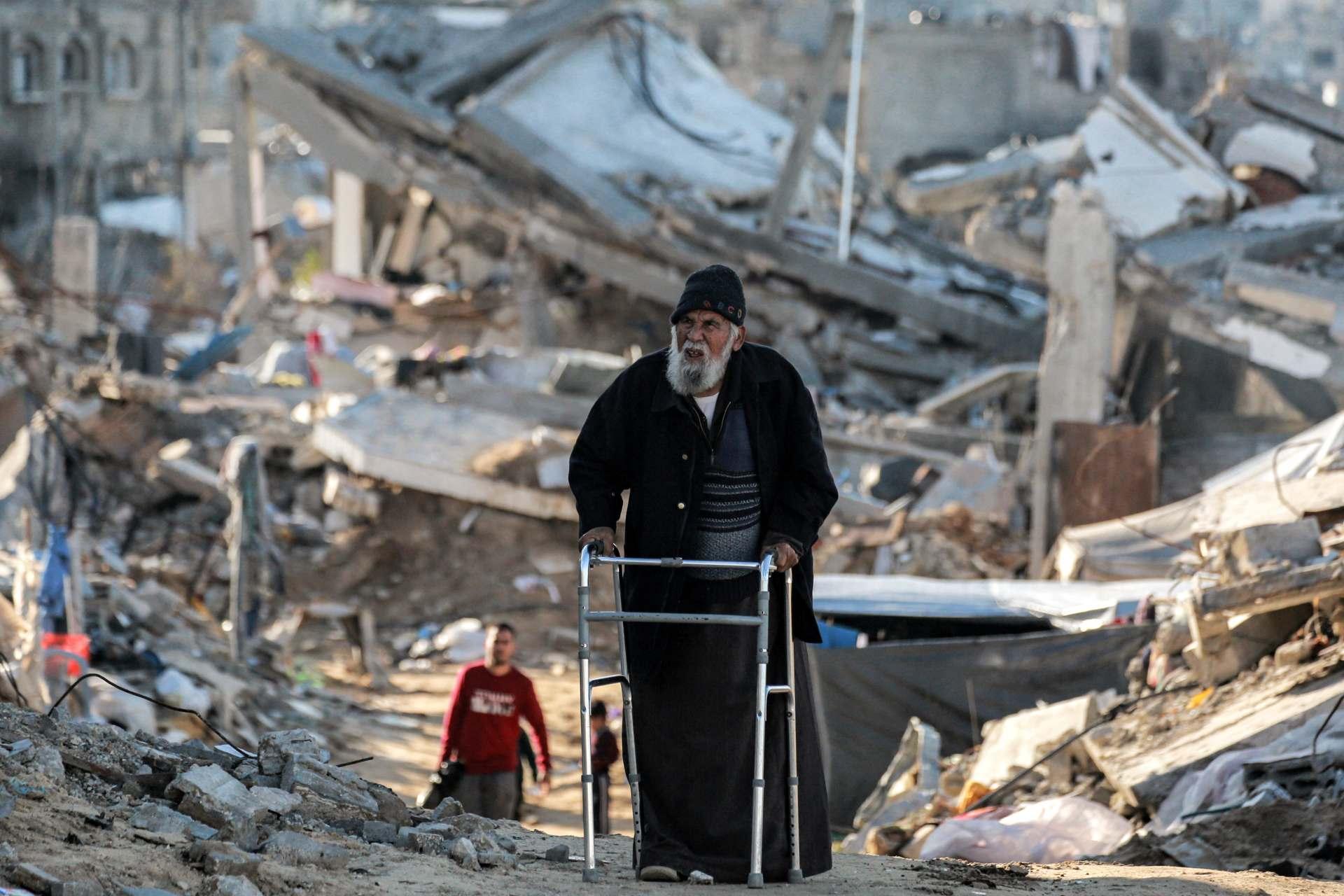
Amnesty International and HelpAge International described a “neglected health crisis” affecting older people in Gaza in the context of Israel’s blockade on essential aid and medicines, saying the shortage of nutritious food, medicines, and housing is contributing to “inhumane living conditions.” Erika Guevara-Rosas said, “The rights and the needs of older people in Gaza must not be ignored,” and Amnesty International reported that older people said they skipped meals and rationed medicines for serious conditions because they could not obtain enough. The investigation said HelpAge International interviewed 416 older people in Gaza and published its conclusions on February 5 in a report titled Pushed Beyond Their Limits: The Survival of Older People in Gaza.
Amnesty International France reported that, according to the World Health Organization, fewer than 14 of Gaza’s 36 hospitals were partially functioning in October 2025 and less than a third of rehabilitation services were open, limiting older people’s access to care. Amnesty International France also quoted Mohammed Bili, 61, saying, “I suffer from extreme stiffness in my arms and muscle weakness due to not being able to access dialysis as often as needed,” in a context where he received only two dialysis sessions per week and had undergone seven forced relocations since October 2023.