Gaza Genocideupdated 1h ago3 min read
World Health Organization Says Gaza Hospitals Not Operating At Full Capacity
No Gaza hospital is operating at full capacity due to shortages of medicines and equipment. Israeli restrictions block entry of medical supplies, delaying shipments to Gaza.
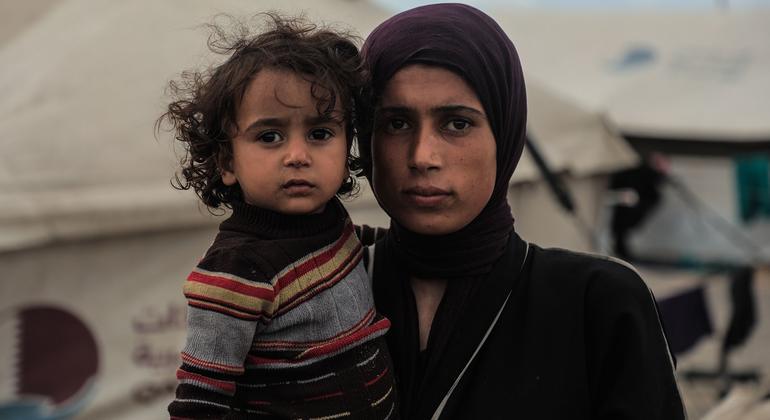
14 outlets told this the same way.
Outlets did split on Israel Marks Oct. 7 Anniversary With Strikes on Gaza, Netanyahu Faces Election After Nova Tribute →
Al Jazeera was read line by line by the Watchdog: 1.9. See the score →
Health system collapse
The Gaza Strip’s health system is operating amid severe shortages and partial capacity, with the World Health Organization warning that “Gaza Strip hospitals are not operating at full capacity, amid a persistent shortage of medicines and equipment.” Zaher al-Wahidi, Director of the Information Center at the Palestinian Ministry of Health in the Gaza Strip, said that out of 38 hospitals that were operating before the war, only 19 remain functioning currently, partially and with limited services. Al-Wahidi said the clinical capacity in the Gaza Strip decreased from 3,412 beds before the war to less than 2,600 beds currently, and he said imaging devices fell from more than 18 CT scanners to only 3 devices.
Al-Wahidi also said that all of the MRI machines have stopped working after the sector had 9 devices, and he said about 45% of the required drug varieties are available in the sector. Munir al-Bursh, director general of Gaza’s Health Ministry, told Anadolu that “More than half of Gaza’s dialysis patients have died” amid Israel’s blockade and the collapse of the enclave’s health care system.
Approvals and blocked supplies
The World Health Organization said medical supply shipments headed to Gaza wait on average about 74 days to obtain Israeli approvals, and it warned that the delay worsens the deterioration of healthcare services and endangers patients’ lives. Reinhilde van de Weerdt, WHO representative in the Palestinian territory, said that “medical supplies wait on average 74 days to obtain a decision on approval for shipping,” and she said 40% of laboratory and diagnostic equipment remain awaiting approval. The World Health Organization also warned that Israeli occupation authorities intentionally block the entry of medicines, medical equipment, and imaging devices without providing an official justification, and it said the increasing restrictions contradict claims of easing procedures.
Hanan Balkhi, the WHO Regional Director for the Eastern Mediterranean, warned that “ongoing Israeli restrictions on the entry of medical aid are hindering the health response in Gaza,” and she said the deterioration is not due solely to attacks but also to obstruction of access to health services. Saba reported that WHO teams unloaded medical supply consignments at the Kerem Shalom crossing but had not received permission to pick them up and bring them into the Gaza Strip, including “approximately 50 intensive care beds” and “170 consignments of essential medicines and medical equipment.”

What is at stake
The World Health Organization said no hospital in the Gaza Strip is operating at full capacity, and it warned that continuing obstruction of medical supplies will impede the delivery of essential care and increase patients’ suffering. Al-Wahidi said cancer patients face severe difficulties, with about 12,000 patients including about 8,000 active cases needing treatment and monitoring, and he said about 2,800 patients are awaiting referral for treatment outside the Gaza Strip. Al-Wahidi said thousands of patients need medical evacuation outside the Gaza Strip to obtain treatment unavailable inside the sector, and he said the sector’s shortages limit doctors’ ability to diagnose patients, monitor cases, and perform necessary tests.
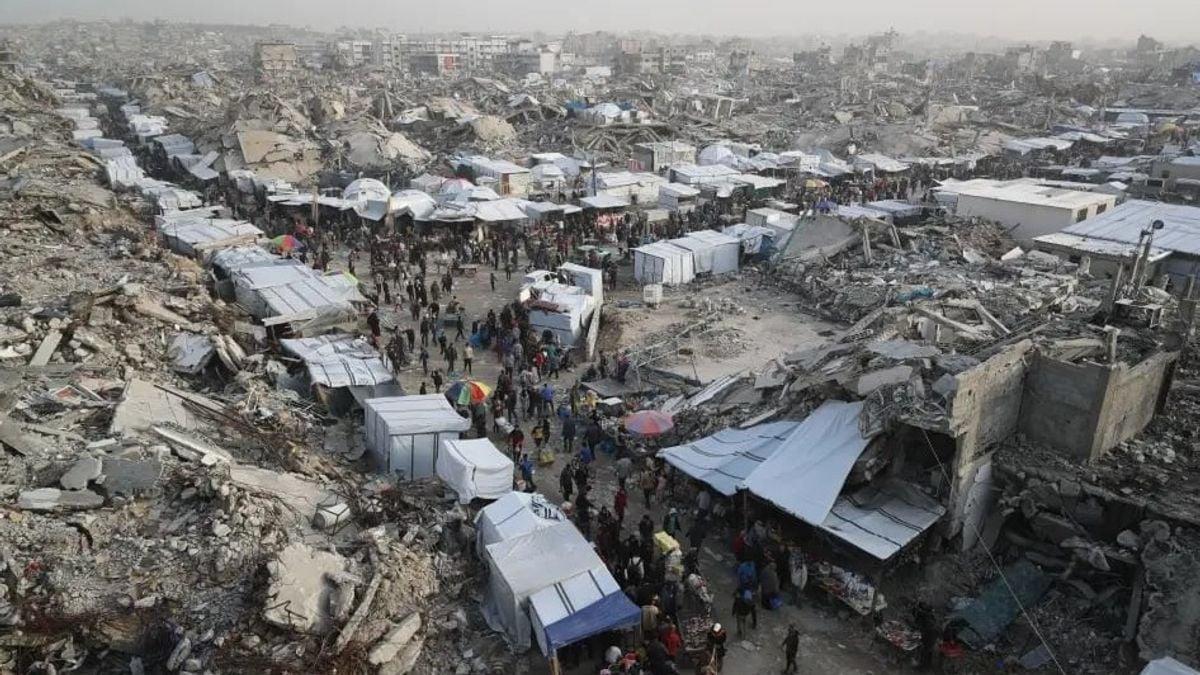
Munir al-Bursh told Anadolu that more than 174,000 wounded people need nearly half a million complex surgeries, and he said Gaza needs “nearly half a million complex surgical procedures” despite having virtually “no resources to carry them out.” Al-Arabi Al-Jadid described Gaza’s infrastructure collapse as leaving basic life components tied to damaged facilities, and it said UNOSAT estimated that more than 201,000 buildings in the Gaza Strip were damaged as of June 16, 2026, representing about 82% of total buildings.