Asia25 May, 20263 min read
Xi Jinping Criticized Japan’s Remilitarization During Summit With Donald Trump in Beijing
This article is an automated aggregation of coverage from news outlets. Our editorials offer in-depth analysis curated by the NewsCord team.
Xi Jinping sharply criticized Japan's remilitarization during Beijing summit with Trump. He became visibly agitated while condemning Japan's defense buildup.

Xi vs Japan in Beijing
Chinese President Xi Jinping sharply criticized Japan’s “remilitarization” during summit talks with U.S. President Donald Trump in Beijing on May 14-15, according to a report published by the Financial Times and cited by UPI.
UPI reported that Xi became visibly agitated while criticizing Japanese Prime Minister Sanae Takaichi and Tokyo’s increased defense spending, surprising U.S. officials and producing “one of the most intense moments of the two-day summit.”
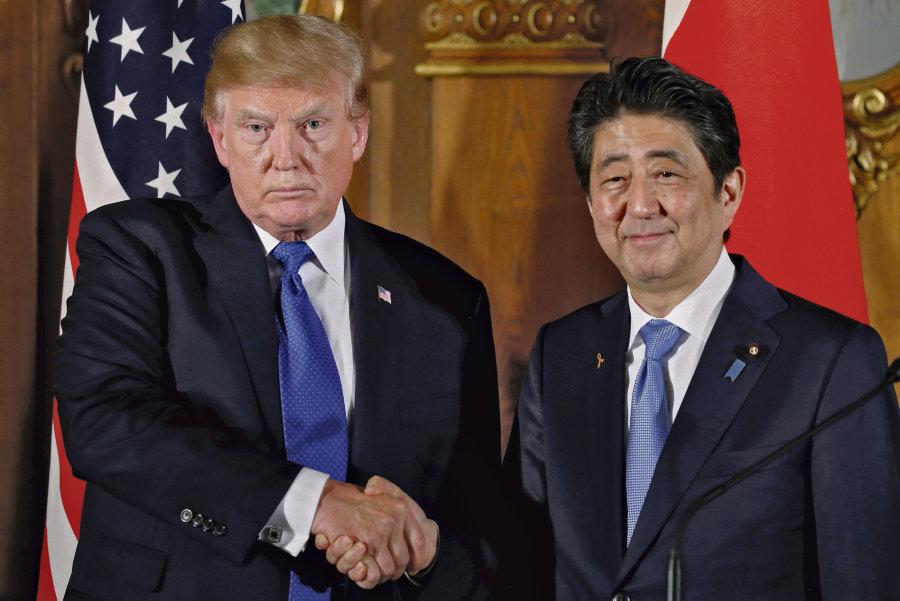
In response, Trump argued that Japan needed to strengthen its security posture to counter threats from North Korea, while the Financial Times said it was unclear whether Trump also referred to China as Japan’s primary security concern.
UPI added that China’s Foreign Ministry criticized Japan’s defense policy, saying Japan’s military budget has increased for 14 consecutive years while right-wing forces continue demanding even higher defense spending.
The Washington Post framed the broader setting as Japan and South Korea banding together as smaller nations redraw the geostrategic balance in Asia despite their complicated history, with Trump’s “seeming ambivalence about the value of allies” creating urgency among nations with close U.S. ties.
Quotes, numbers, and alliance anxiety
Christopher Johnstone, a former White House National Security Council director for East Asia, told the Financial Times that Xi’s “caustic approach” toward Japan and efforts to leverage Trump’s desire for stable U.S.-China ties would instead reinforce Japan’s push for stronger self-defense capabilities. Johnstone also said, “His own actions are accelerating the emergence of a much stronger Japan,” and he added that China’s anti-Japan rhetoric has little support outside its borders. UPI reported that China noted Japan plans to raise defense spending by 9.7% in 2025, while SIPRI data cited by UPI said China increased defense spending by 7.4% last year to $336 billion.
UPI further stated that the increase marked China’s 31st consecutive annual rise in military spending and amounted to more than five times Japan’s $62 billion defense budget. The Washington Post said Trump’s “seeming ambivalence about the value of allies has created a sense of urgency among nations with close U.S. ties,” linking the summit tensions to wider concerns about alliance reliability.

What’s at stake next
UPI reported that Japan increasingly identifies Beijing as a greater threat than North Korea in recent years, and it said since 2023 Tokyo has described China’s military activities and external posture as its “greatest strategic challenge” in annual defense white papers. The Washington Post described Japan and South Korea banding together as smaller nations redraw the geostrategic balance in Asia, with Trump’s unpredictability injecting urgency into their calculations. UPI added that the Financial Times reported growing anxiety within the Japanese government over the state of the U.S.-Japan alliance, including Trump administration tariffs on allies and concerns that delays in U.S. weapons deliveries could weaken deterrence against China.
UPI said the United States recently informed Japan that delivery of 400 Tomahawk missiles ordered in 2024 for Tokyo’s planned “counterstrike capability” against China could face serious delays. UPI also reported that Trump described a proposed $14 billion U.S. weapons package for Taiwan as a useful “negotiating chip” in talks with China, heightening concerns among U.S. allies and partners over Washington’s commitment to Taiwan’s defense.