Sudan16 July, 20263 min read
Abdel Fattah al-Sisi Meets Abdel Fattah al-Burhan Amid Sudan Instability in Cairo
This article is an automated aggregation of coverage from news outlets. Our editorials offer in-depth analysis curated by the NewsCord team.
Egypt's Sisi hosted Sudan's Burhan in Cairo amid ongoing instability. Official communiqué describes ceremonial welcome, including honor-guard inspection.
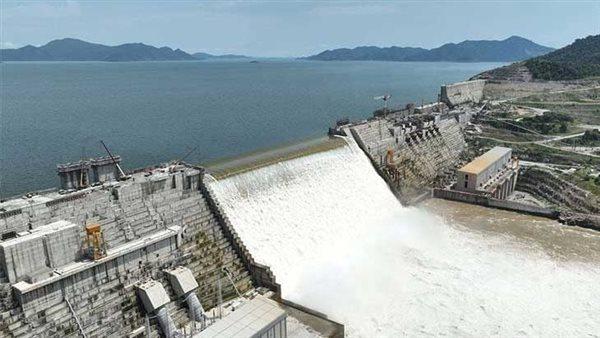
Egypt meets Sudan’s council
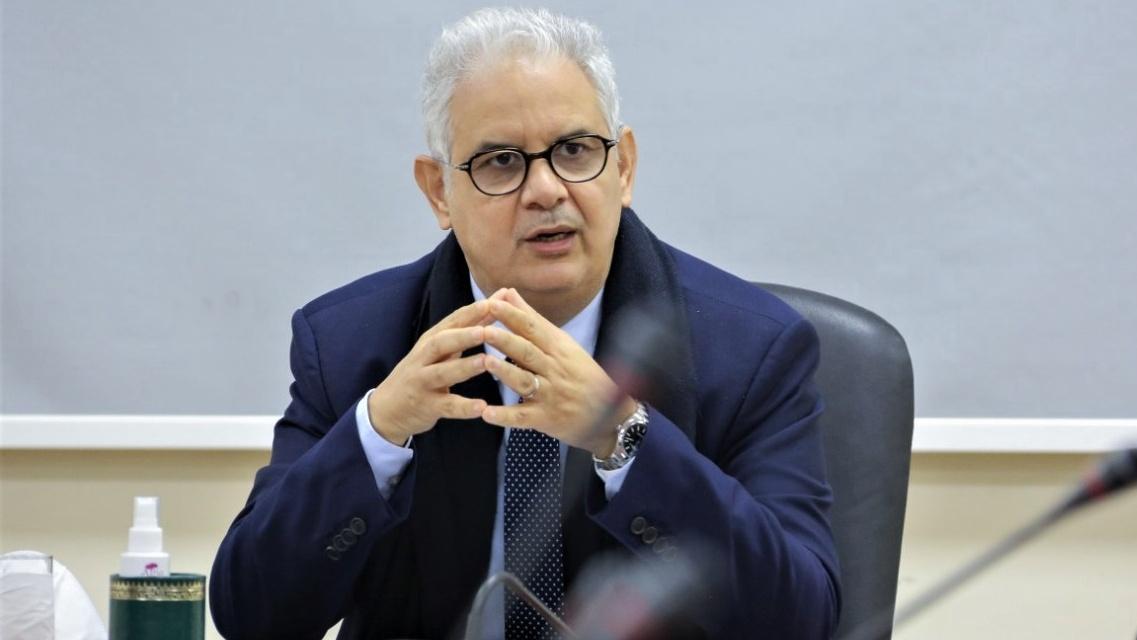
Egyptian President Abdel Fattah al-Sisi received General Abdel Fattah al-Burhan, head of the Sudanese Transitional Sovereignty Council, in Cairo amid tensions and persistent instability in Sudan. The Egyptian presidency said the meeting began with a ceremonial ceremony including the inspection of the honor guard and the performance of the Egyptian and Sudanese national anthems, followed by an official photograph. An expanded session of discussions then brought together the delegations of the two countries to strengthen bilateral relations and promote mutual development, as stated by the presidency spokesperson, Ambassador Mohamed Chennawi.
The talks focused on the security situation in Sudan, and al-Sisi reaffirmed his country's support for the Sudanese people and for efforts to overcome the current crisis while underscoring the importance of unity, sovereignty and stability in Sudan. The dialogue also addressed regional issues, notably security in the Nile Basin and the Horn of Africa, and the two leaders reaffirmed their willingness to coordinate their efforts to protect water security and oppose unilateral initiatives.
Fishermen and prices rise
In Sudan, fishermen around the Jebel Oliye Reservoir south of Khartoum State have faced harsher conditions as the Nile’s receding waters have forced them to sail longer distances for fish that have become fewer in number and harder to reach. Fisherman Mohammed al-Hadi Ibrahim told Al Jazeera that the Nile’s drop in level, a result of weak rains and dams along the river, led to a decrease in fish numbers, and he said fishermen now spend long hours in the water to obtain far smaller quantities than they used to catch during the autumn season. He added that the decline has extended to markets, where fish prices have risen noticeably compared with previous years.
Fisherman Mahmoud Ali Omar said the current reality remains less harsh than what fishermen endured during the period of the Rapid Support Forces’ control of the capital, when they suffered abuses and assaults and many were prevented from practicing their trade. Restaurant owner Yaquut Mohammed Idris confirmed that prices at which fish are bought from fishermen have risen in recent months, and he said increases in the prices of flour and cooking oil have also raised the cost of preparing meals.
Water cuts and technical fixes
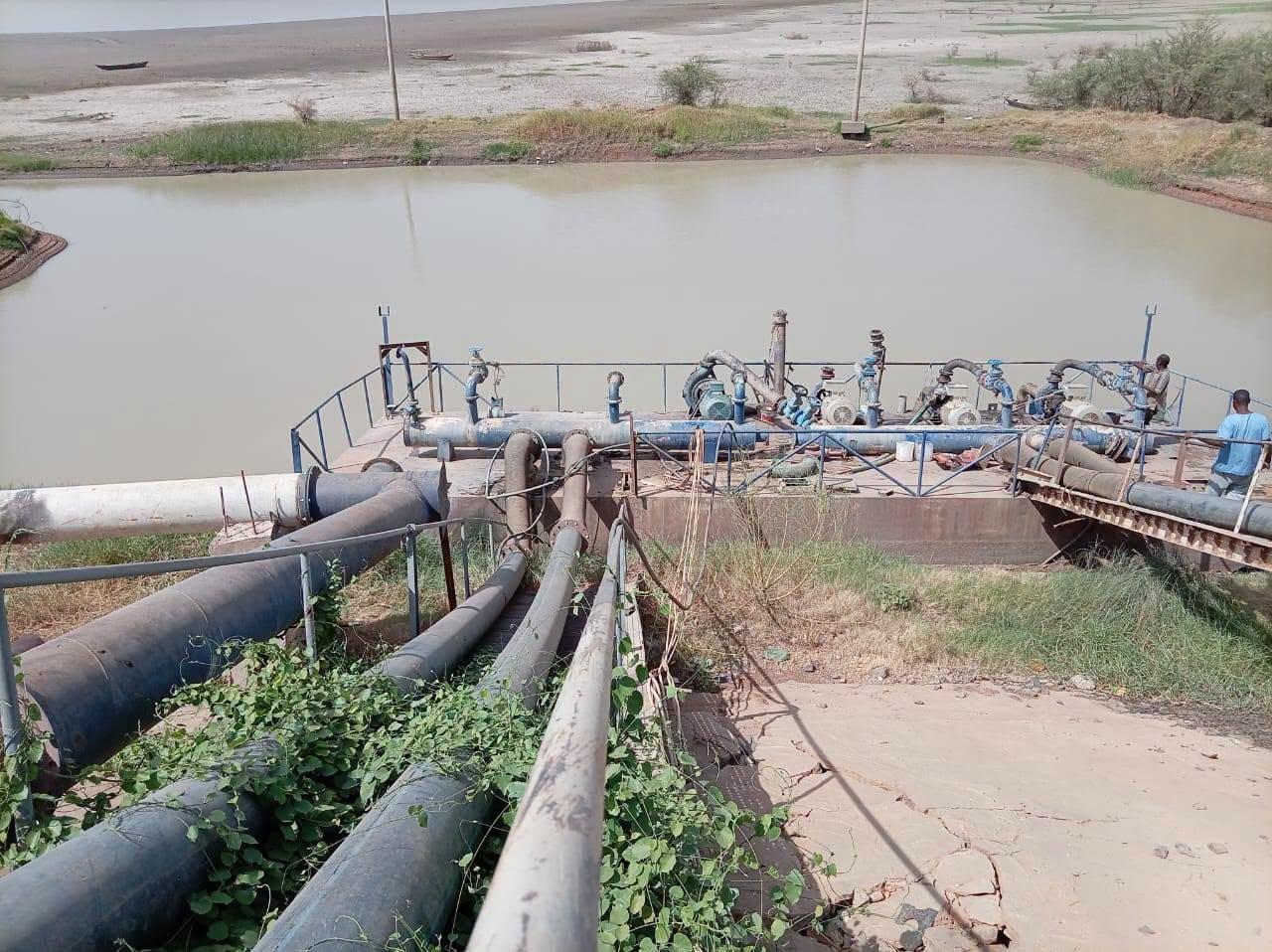
In El Salha area south of Omdurman, residents have been left with little choice but to buy water or rely on brackish wells after the area’s main water station stopped operating when the Nile receded, leaving the pumps stranded above the waterline.
Dabanga Radio TV Online said the crisis entered its second week, affecting thousands of families, and quoted a resident saying water supplies had been cut for six consecutive days and would enter a seventh day tomorrow.
The report said families were forced to buy water delivered in barrels, with the price of a single barrel reaching SDG10,000, and it described authorities deploying heavy machinery and loaders to excavate a new channel so water can reach the pump wells once again.
Khartoum Governor Ahmed Othman Hamza visited the station and ordered the mobilisation of excavators and heavy equipment to open a new water channel and remove silt, while Mohamed Ahmed Awad, director of the Khartoum State Water Corporation, said technical teams were working to restore the station within one or two days.
Dabanga Radio TV Online also quoted Eng. Abubakr Mohamed El Mustafa explaining that the hydrological year spanning October 2025 to June 2026 saw exceptional water abundance, but that at the beginning of July several factors combined to reduce river inflows, including releases from the Grand Ethiopian Renaissance Dam to Sudan’s El Deim monitoring station ranging between 150 and 180 million cubic metres a day before reaching Roseires Dam.