South America · 07 August, 2026 · 3 min read
Abelardo De la Espriella Vows Armed Group Crackdown After Sworn In As Colombia President
Sworn in as Colombia's president for 2026-2030 at a Cali ceremony outside Bogotá. Vows crackdown on armed groups and seeks up to 40% government spending cuts.
Whether peace talks/negotiations with armed groups end fully vs remain possible.
5 of 6 outlets skipped it: US security assistance planned at US$1 billion.
18outlets compared
Same story, two versions
tap a side to read it in full
NPR stresses ending talks but warns could be counterproductive; Al Jazeera frames dialogue as exhausted.
De la Espriella takes office
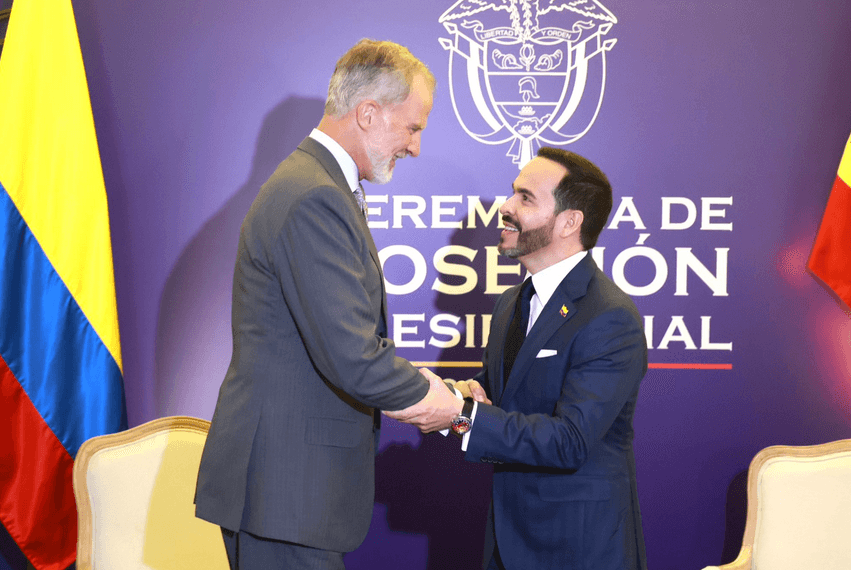
Abelardo de la Espriella was sworn in as Colombia’s president on Friday after winning a June run-off, and he vowed to crack down on armed groups while cutting government spending by as much as 40 percent and reviving the country’s oil and gas industry. The inauguration took place not in Bogota but in Cali, a city in Colombia’s volatile southwest, with security dominated the ceremony as soldiers and armoured vehicles lined roads and police manned checkpoints screening vehicles for explosives. In his first speech as president, de la Espriella said, "I am sending a firm message to the people: the time for the recovery of order, authority, and freedom has begun," and he also pledged to "relentlessly defeat narco-terrorism".
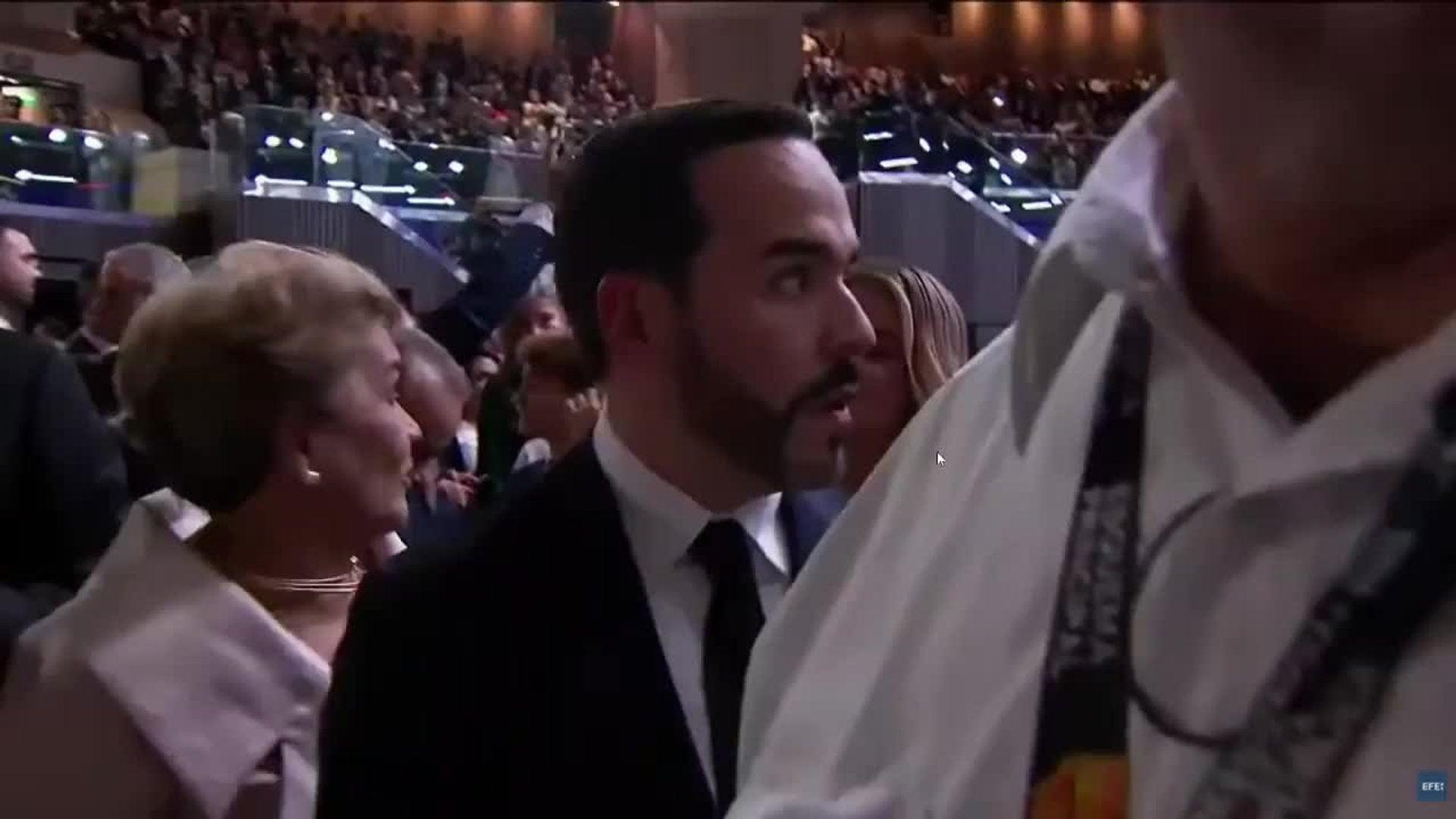
The ceremony came after de la Espriella broke with the strategy of negotiated peace pursued by outgoing leftist leader Gustavo Petro, whom he defeated in June’s run-off. Protests broke out in Cali, Bogota and Barranquilla on inauguration day, including in Cali’s Puerto Resistencia neighbourhood where 25-year-old Sebastian Ocampo said residents were "defending dignity" against a president he said had not won their support.
Dialogue exhausted, protests flare
De la Espriella framed his approach as a break with his predecessor, saying, "The option of dialogue is completely exhausted," while also promising to restore "order, authority and freedom" in Colombia. Outgoing President Gustavo Petro declined to attend the ceremony and called for mass protests, claiming election fraud without providing evidence, while international observers and Colombia’s electoral authorities dismissed Petro’s allegations. In Cali, protesters gathered in Puerto Resistencia, where Sebastián Ocampo told the AP, "Here we are defending dignity, resisting and making it clear that he (de la Espriella) did not win here".
A professor of economics at Javeriana University in Bogota, Jorge Restrepo, told Al Jazeera that the close election margins underscore the challenges ahead, adding that de la Espriella’s speech showed "a lack of detail" and "a lot of intentions". The AP also reported that de la Espriella planned to travel to a military battalion in Cali to address troops, warning illegal armed groups they must surrender or face being declared "military targets."

Armed groups, US ties, next steps
De la Espriella’s inauguration highlighted his security agenda for Colombia’s contested southwest, where dissident factions of the demobilised FARC rebel movement rejected a peace deal signed a decade ago, and where the Clan del Golfo drug cartel and the National Liberation Army (ELN) are also active. He pledged to join the so-called “Shield of the Americas,” a US-backed regional coalition against drug trafficking that grew out of a summit hosted by the Trump administration in March, and he also promised to restore diplomatic relations with Israel and sever ties with Cuba and Nicaragua, branding them as “tyrannies.” The US State Department said the Trump administration planned to provide US$1 billion in security assistance to the De la Espriella government, and the South China Morning Post reported that the president vowed to bomb cocaine labs and build “mega prisons.”
The transition also remained tense, with Petro initially refusing to accept the election result and alleging vote tallies had been manipulated before ultimately conceding he would respect the outcome, while protests still broke out on inauguration day. Analyst Glaeldys González of the International Crisis Group for the Andes told the AP that de la Espriella’s rise to power would reinforce a rightward shift across Latin America and consolidate a regional bloc of conservative governments against a dwindling number of left-wing administrations.