Global Politics08 August, 20263 min read
Abelardo De La Espriella Vows Vigorous War on Drug Trafficking, Deploys 11,000 Troops in Cali
This article is an automated aggregation of coverage from news outlets. Our editorials offer in-depth analysis curated by the NewsCord team.
De la Espriella was sworn in as president in Cali with tight security. He pledges a vigorous crackdown on drug trafficking and armed groups.
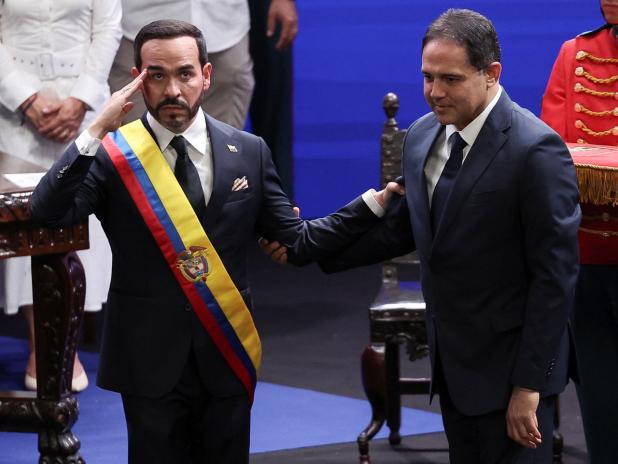
Inauguration in Cali
Colombia’s new right-wing President Abelardo De La Espriella was sworn in on Friday in Cali and used his inaugural speech to pledge a vigorous fight against drug trafficking alongside austerity measures to restore confidence in the economy. De La Espriella, the 48-year-old who won June’s runoff election, told assembled troops at the Pichincha Battalion military base that "Members of criminal gangs and narco-terrorist groups have two choices: submit to the rule of law or face the determined response of the Colombian state and its security forces." The Reuters account said he added that the option of peace talks with armed groups had been "completely exhausted," while NPR described tight security measures aimed at preventing protests and potential attacks by rebel groups.
NPR said some 11,000 troops were deployed to Cali for the inauguration, with drones banned and privately owned vehicles not allowed on city roads during Inauguration Day. In the same Reuters coverage, De La Espriella said he would "definitively eradicate the scourge of illicit crops" by using aerial herbicides that do not harm human health or the environment to destroy coca.

Security, allies, and dissent
NPR said De la Espriella chose Cali rather than Bogotá for his swearing-in, and it described his stated priority as exerting control of territory, warning that "If we don't control our cities and our rural areas, this nation will lose its sovereignty."
The same NPR report said the inauguration was attended by leaders including Argentina’s Javier Milei, Ecuador’s Daniel Noboa, Chile’s José Antonio Kast, and U.S. Acting Attorney General Todd Blanche, alongside FIFA President Gianni Infantino and King Felipe VI of Spain.
Reuters reported that De La Espriella was an ally of U.S. President Donald Trump and that the U.S. State Department said on Friday the Trump administration plans to provide US$1 billion in security assistance.
In Reuters’ account of the political backdrop, De La Espriella blamed outgoing President Gustavo Petro for an expansion of armed groups and narrowly defeated Petro ally leftist Senator Ivan Cepeda in the runoff.
NPR also said Petro refused to acknowledge the election result and claimed, without providing credible evidence, that the vote count was rigged, with Sergio Guzmán warning that fraud allegations could fuel protests against De la Espriella’s government.
Policy direction and next risks
Beyond security, Reuters said De La Espriella pledged to freeze public spending and pursue tax reform to simplify Colombia’s payment regime and boost investment and employment while preserving popular social programs put in place by Gustavo Petro.
“These individuals will need a route back into normal life.”
Reuters also reported that De La Espriella pledged to expand oil and gas exploration, including through "the development of responsible and sustainable fracking," and said he would work to strengthen state-run oil company Ecopetrol.
RFI said the U.S. announced an intention to provide one billion dollars in aid to Colombia and quoted a U.S. State Department document stating "intends to announce aid of one billion dollars as part of a package of security measures" for De la Espriella’s government.
RFI further said De la Espriella stated he would build mega-prisons, declaring, "mega-prisons will be built to incarcerate those who pose the greatest threat to the security of the people."
NPR added that analysts warned ending peace talks could be counterproductive, quoting Elizabeth Dickinson of the International Crisis Group saying the conflict has an estimated 27,000 individuals involved in different armed and criminal groups who would need a route back into normal life.